






The Fading Allure of the Epic Escape
Let’s be honest: planning a long vacation can feel like a second job. The pressure to maximize every moment of a 10-day international journey or a cross-country road trip can be immense. First comes the financial hurdle of soaring airfares and hotel rates.
Then there’s the logistical Tetris of coordinating time off, arranging pet-sitters, and packing for every conceivable scenario. By the time you’re on the plane, you might already feel exhausted. This phenomenon, often called 'trip fatigue,' is real. After years of pent-up demand, travelers are realizing that the monumental effort required for a 'once-in-a-lifetime' trip can sometimes overshadow the relaxation it’s supposed to provide. The result is a growing desire for getaways that offer a higher ratio of joy to hassle.
Meet the Rise of the Micro-Cation
Enter the 'micro-cation'—a short, intentional trip of two to four days. Think of it as the strategic opposite of the marathon vacation. Instead of one huge annual reset, the goal is to pepper the year with several smaller ones. This model immediately solves several problems. It’s easier to find a long weekend than a full two weeks. The budget for a three-day trip is naturally much smaller, making travel more accessible more often. Most importantly, it reduces decision fatigue. When you're only planning for 72 hours, the stakes are lower. You don't need to see and do everything; you just need to unplug and enjoy a change of scenery. These trips often focus on destinations within a few hours' drive or a short flight, minimizing travel time and maximizing relaxation time.
It’s Easier Being Green(er)
The 'green' in 'quick green trips' isn't about achieving environmental perfection. It’s about making better, more conscious choices. Shorter, closer trips often have a naturally smaller carbon footprint. Choosing to drive to a destination 200 miles away instead of flying 2,000 miles is a significant environmental win. This approach also encourages travelers to invest in their local and regional economies. A weekend spent exploring small towns, dining at farm-to-table restaurants, and staying in locally owned inns keeps tourism dollars circulating within the community. It’s a form of 'slow travel' values applied to a shorter time frame—prioritizing depth over distance and connection over consumption. It's less about a restrictive checklist and more about a mindset: How can this trip be good for me *and* good for the place I’m visiting?
The Psychological Perk of Frequent Resets
Perhaps the most compelling argument for the quick trip is psychological. A single long vacation often comes with a 'post-vacation blue'—a sharp return to reality that can feel jarring. In contrast, having several small trips on the calendar provides multiple things to look forward to throughout the year. These frequent breaks can be a powerful antidote to burnout. Studies on happiness show that the anticipation of an experience often provides as much pleasure as the experience itself. By planning a weekend getaway every few months, you’re essentially giving yourself a consistent stream of positive anticipation. It changes the rhythm of the year from a long slog toward a single finish line to a series of enjoyable milestones.
Your Backyard Is Bigger Than You Think
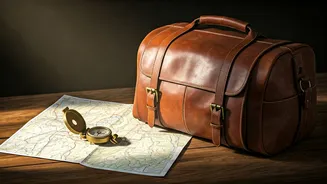
So what does a quick green trip look like? It might be renting a cabin in a state park you’ve always meant to visit. It could be taking a train to a nearby city for a weekend of museums and great food. Maybe it's exploring a wine region just a couple of hours away or booking a 'staycation' at a unique boutique hotel in your own city to see it through fresh eyes. The key is to look at a map with a three-hour driving radius and start exploring the possibilities. Forget the famous landmarks for a moment and look for the hidden gems: the small town with the surprisingly great arts scene, the hiking trail with the stunning waterfall, or the coastal village known for its fresh seafood. These are the places that offer rich experiences without the need for a passport or a long-haul flight.