





What Is an Art Journal, Anyway?
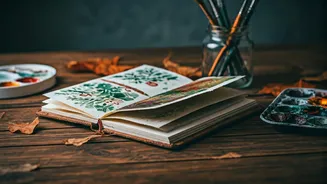
Think of an art journal as a visual diary. It’s a place to combine words, drawings, doodles, paint, collage, and any other visual element that comes to mind. Unlike a formal sketchbook, the goal isn’t to create a perfect masterpiece. In fact, there is no
goal other than self-expression. It’s a private space for processing thoughts, documenting moments, and playing with materials without the pressure of an audience. Your art journal page might feature a quick sketch of your morning coffee cup, a written-down snippet of a funny conversation, a splash of watercolor to capture a mood, or a ticket stub pasted next to a few thoughts. It’s messy, personal, and profoundly liberating.
A Remedy for the Holiday Haze
So, how does this practice translate to more meaningful holidays? By its very nature, art journaling forces you to slow down and observe. In a season defined by rushing—from stores to parties to family gatherings—taking ten minutes to sketch the frost on a window or the pattern on a piece of wrapping paper is a radical act of mindfulness. It pulls you into the present moment. This practice also serves as a powerful antidote to commercialism. When the world is screaming about what to buy, your journal gently asks what you see, feel, and cherish. It helps you create a personal record of the season that has nothing to do with receipts and everything to do with experience. Documenting the smell of cinnamon, the sight of a loved one laughing, or the feeling of a quiet moment by the fire creates a tangible archive of joy that you can revisit for years to come.
Your Simple, Pressure-Free Starter Kit
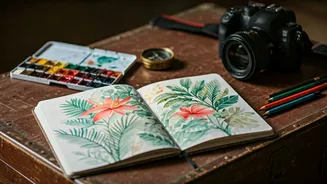
The beauty of art journaling is its accessibility. You don’t need to spend a fortune at an art supply store. In fact, starting with simple tools can feel less intimidating. All you really need is: 1. **A Journal:** Any notebook will do. A simple composition book works just as well as a fancy, thick-paged journal. The key is to choose something you’re not afraid to “mess up.” 2. **A Pen:** A basic black pen is perfect for both writing and doodling. 3. **Something for Color (Optional):** This is where you can play. A small, inexpensive watercolor palette, a handful of colored pencils, or even a child’s set of markers can bring your pages to life. You can also use old magazines, wrapping paper scraps, and a glue stick for collage. The most important supply is permission: permission to be imperfect, to experiment, and to create something just for yourself.
Five Prompts to Get You Started
Staring at a blank page can be daunting. Here are five simple, holiday-themed prompts to break the ice: * **Capture a Favorite Object:** Find a favorite ornament, a sentimental decoration, or a beloved holiday mug. Spend five minutes sketching its basic shape and adding a few words about why it’s special to you. * **Illustrate a Sensory Detail:** What does your holiday *feel* like? Try to capture a smell (a drawing of a pine branch or a gingerbread cookie), a sound (write out the lyrics to a song), or a taste (paint a splash of color that reminds you of peppermint). * **Document a Quiet Moment:** The holidays aren’t all noise and chaos. Find a moment of peace—looking out the window, sitting by the tree after everyone’s asleep—and capture it with a quick drawing or a few descriptive sentences. * **Create a Gratitude Collage:** Cut out words and images from old catalogs or magazines that represent things you’re thankful for this season. Arrange and glue them onto a page. * **Sketch a Recipe:** Draw the ingredients for a favorite family recipe. You don’t have to be a technical illustrator; simple circles for eggs and a lumpy shape for butter will do. It’s about the memory, not the accuracy.