
The New 'Sweet Spot' in India's Market
For decades, the Indian snack market was a story of two extremes: traditional, often fried, savory snacks on one side, and sugary, mass-produced biscuits and chocolates on the other. But a seismic shift is underway. Driven by a growing, health-conscious
middle class and increased awareness of lifestyle diseases like diabetes, consumers are demanding more. They want the convenience of packaged food without the guilt. This created a perfect vacuum—a 'sweet spot' in the market for brands that could offer indulgence without the unhealthy baggage. It's a landscape where 'healthy' is no longer just about being low-calorie; it's about being 'clean,' natural, and transparent. This consumer demand became the foundational launchpad for a food revolution.
The Secret Ingredient Is... No Secret Ingredients
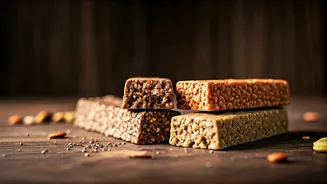
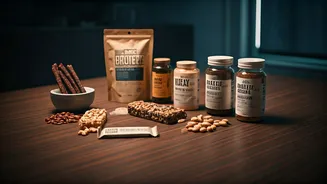
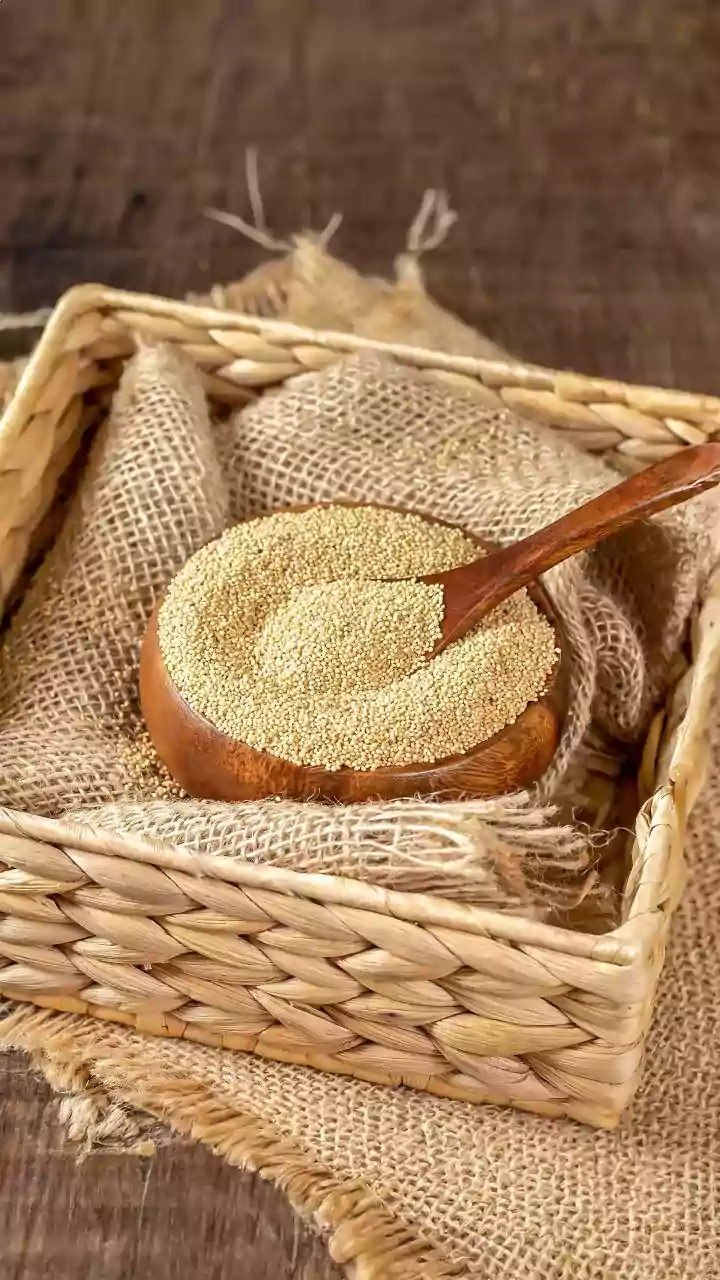
So how do you make a protein bar taste like a fudge brownie? The magic isn't in what these startups add, but what they remove. The core innovation has been the ruthless elimination of cheap, unhealthy fillers that define traditional processed foods. Refined sugar is out, replaced by natural sweeteners like dates, monk fruit, or honey. Processed white flour (maida) is swapped for nutrient-dense alternatives like almond flour, oat flour, or traditional millets. Artificial flavors, preservatives, and emulsifiers are rejected in favor of simple, recognizable ingredients. A prime example is The Whole Truth Foods, a brand that built its entire philosophy on listing ingredients in bold, upfront font on the front of the package. Their protein bars, sweetened only with dates, and nut butters with nothing but nuts, proved that transparency itself was a powerful selling point. The dessert-like taste comes from high-quality components like real cocoa, nuts, and natural fats, combined in recipes that prioritize flavor texture over extending shelf life with chemicals.
Meet the Disruptors
This isn't the work of one company, but a movement of like-minded entrepreneurs. Besides The Whole Truth, brands like Yoga Bar (now owned by ITC, a major conglomerate) pioneered the use of millets and seeds in snack bars that offered complex textures and satisfying flavors. Epigamia transformed the yogurt aisle with Greek yogurt and lactose-free options that serve as a high-protein base for smoothies and dessert-like cups. Slurrp Farm is doing the same for children's food, creating pancake and cake mixes from supergrains like ragi and jowar, making parents feel good about serving a weekend treat. What unites these companies is a direct-to-consumer (DTC) digital-first approach. They used social media to educate consumers about ingredients, building a loyal community before ever hitting a major supermarket shelf. They weren't just selling a product; they were teaching a new way to think about food.
The 'Clean Label' Revolution
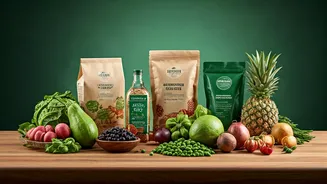
Ultimately, the success of this trend hinges on a powerful marketing concept: the 'clean label.' A clean label product is one with a short, simple, and understandable ingredient list. When you can read and recognize everything on the back of the pack—like 'almonds, dates, cocoa, sea salt'—it creates an immediate sense of trust. This stands in stark contrast to the legacy brands with ingredient lists full of scientific-sounding compounds and various forms of sugar in disguise. These Indian startups weaponized simplicity. Their packaging is often minimalist, their marketing is educational, and their message is consistent: 'We have nothing to hide.' For a generation of consumers tired of being misled by confusing health claims and hidden sugars, this radical transparency feels less like a marketing gimmick and more like a long-overdue sign of respect.