





More Than Just a Walk in the Park
For years, “dog-friendly travel” meant finding a hotel that wouldn’t charge an exorbitant fee and locating the nearest patch of grass. Today, it’s evolving into something far more integrated and experiential. Spurred by a pandemic-era surge in pet adoption
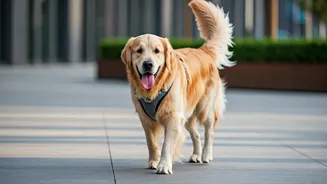
and a cultural shift that sees pets as true family members, travelers are no longer content to simply bring their dog along—they want to share the adventure. This isn’t about a mandatory potty break; it’s about discovery. A dog-friendly city walk is an intentional activity, a way to absorb a new place’s sights, sounds, and smells through a shared experience. It transforms a simple walk into the main event, shifting the focus from destinations to the journey itself, one paw-step at a time.
The New Urban Exploration
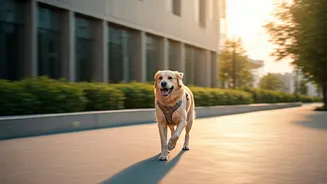
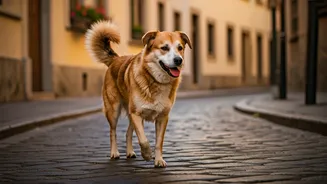
So, what does a dog-friendly city walk actually look like? It’s far more than a lap around the block. Imagine strolling through Savannah’s historic squares, your dog sniffing the base of oak trees draped in Spanish moss. Picture yourself tracing Boston’s Freedom Trail, pausing to read historical markers while your pup gets a drink of water. It could be an architectural tour through a Chicago neighborhood, followed by a break on a dog-welcoming brewery patio, or exploring the public art installations and waterfront paths of cities like Austin or Portland. These walks are about engaging with the urban environment—its history, culture, and public spaces—with your canine companion as your co-pilot. This approach encourages a slower, more observant style of travel, forcing you to notice details at street level you might otherwise miss.
Planning Your Paw-fect City Adventure
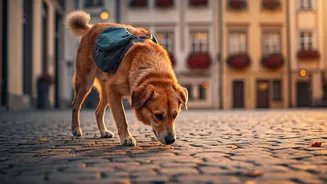
Spontaneity is great, but a successful urban trek with your dog requires a bit of planning. Start by choosing your city wisely. Look for places known for their walkability, abundant green spaces, and a generally welcoming attitude towards pets. Websites like BringFido and the American Kennel Club offer fantastic resources for ranking cities on their dog-friendliness. Before you go, research local regulations. Leash laws can vary significantly, as can rules about dogs on public transit or in parks. Pack a dedicated “go-bag” for your dog with essentials: a collapsible water bowl, plenty of fresh water, high-value treats for positive reinforcement in a busy environment, poop bags, and a pet first-aid kit. Finally, having a rough itinerary of dog-friendly cafes, shops, and rest stops will make the entire experience smoother and more enjoyable for both of you.
Top Cities to Explore on Foot
While countless cities are becoming more accommodating, a few stand out as premier destinations for the four-legged tourist.
**Boston, MA:** The 2.5-mile Freedom Trail is an obvious highlight, but the city's compact nature and beautiful parks like the Boston Common and the Public Garden make it a walker's paradise.
**Austin, TX:** Known for its vibrant, outdoor-loving culture, Austin is famously dog-friendly. The trail around Lady Bird Lake offers miles of scenic walking, and countless restaurants and bars boast patios where your pup is welcome.
**Savannah, GA:** With its grid of 22 historic public squares, Savannah feels like it was designed for leisurely strolls. The city's relaxed pace and shady streets are perfect for exploring with a dog, especially outside of the summer peak.
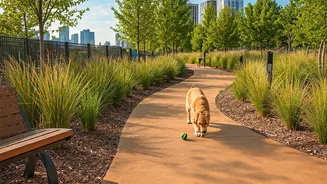
**Minneapolis, MN:** Often topping lists of dog-friendly cities, Minneapolis offers the Stone Arch Bridge for stunning skyline views and an extensive park system connected by pedestrian paths, making long, varied walks a breeze.
The Responsible Urban Explorer
The success of this trend hinges on one thing: responsible ownership. Being a good canine ambassador ensures that cities remain welcoming. Always keep your dog leashed unless you are in a designated off-leash area. Be hyper-vigilant about cleaning up waste immediately. Not every person or other dog you encounter will be comfortable with your pup, so maintain control and be ready to create space. A bustling city can be overstimulating; pay close attention to your dog’s body language for signs of stress or fatigue, and be prepared to take breaks or cut a walk short. By being a courteous and prepared owner, you’re not just having a great trip—you’re paving the way for all the dog-loving travelers who will follow.