






The Golden Age of Bad Advice
Remember the food pyramid? Or when 'fat-free' was stamped on every cookie, cracker, and yogurt tub in the grocery store? For generations, dietary advice has been delivered as a universal prescription. We were told to eat this, not that, as if every human
body processed a slice of bread or a piece of avocado in the exact same way. These guidelines were often born from well-intentioned, large-scale studies that identified broad patterns. The problem is, you aren’t a broad pattern. You’re a person. This top-down approach created a culture of dietary whiplash. One decade, fat was the villain. The next, it was carbs. Then sugar. This constant flip-flopping left millions of people feeling confused, frustrated, and convinced that they were failing at dieting, when in reality, the diet was failing them.
Your Body Isn't a Statistic
The single most important shift in modern nutrition is the concept of bio-individuality. It’s the scientific acknowledgment that each of us is a unique metabolic universe. Imagine two people eating the exact same meal: a banana and a bowl of oatmeal. For one person, it’s a source of steady, sustained energy. For the other, it could cause a dramatic blood sugar spike followed by a crash that leaves them feeling tired and hungry an hour later. Why the difference? It’s not about willpower; it’s about biology. Factors like genetics, gut health, hormone levels, and even sleep quality fundamentally alter how your body responds to food. This explains why your friend can thrive on a plant-based diet while you feel your best with more animal protein, or why some people can handle dairy without issue while it causes inflammation for others. The era of assuming we all run on the same operating system is over.
Meet Your Microbiome and Your Genes
Two key players are driving this personalized revolution: your gut microbiome and your genes. Think of your gut microbiome as a bustling city of trillions of bacteria, fungi, and other microbes living in your digestive tract. This ecosystem is as unique as your fingerprint and plays a massive role in everything from digestion and immunity to mood. These microbes help break down food and can influence how many calories you extract from a meal. A healthy, diverse microbiome is crucial for metabolic health. At the same time, the field of nutrigenomics studies how our specific genetic makeup influences our response to nutrients. Certain genes can make you more sensitive to the effects of saturated fat, for example, or affect how well you metabolize caffeine. You don’t need an expensive test to know this matters; you just need to understand that your internal wiring is fundamentally your own.
So, What Are You Supposed to Do?
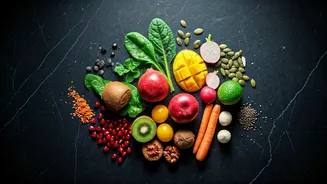
This might sound complicated, but the takeaway is incredibly empowering. Instead of blindly following the next trend, the goal is to become an expert on yourself. Start paying attention. How do you feel an hour after you eat? Are you energized or sluggish? Are you satisfied or craving more? This practice of mindful eating is the foundation of personalized nutrition. You can start with simple principles that benefit almost everyone: prioritize whole, unprocessed foods; eat a diverse range of colorful plants to feed your gut microbes; and manage stress and prioritize sleep, as both have a huge impact on metabolism. Don't chase a named diet. Instead, experiment with adding more fiber, notice how different protein sources make you feel, and reduce your intake of ultra-processed foods. The perfect diet isn’t one you find in a book; it’s one you build for your own body, one meal at a time.