





Why the Season Dictates the Menu
In regions across South Asia, the monsoon season is more than just a weather pattern—it’s a force that changes everything, including how the body functions. Traditional wisdom, particularly from Ayurveda, suggests that the damp, overcast conditions weaken
our digestive strength, or *agni* (digestive fire). High humidity can make the body feel sluggish, and the reduced sunlight is thought to slow down our metabolism. This isn't just folklore; a slower metabolism and a vulnerable digestive system mean heavy, oily, or hard-to-digest foods can lead to bloating, indigestion, and general discomfort. The entire philosophy of a “monsoon diet” is built around counteracting this, supporting the body with foods that are warming, light, and easy to process.
The Golden Rule: Light and Cooked
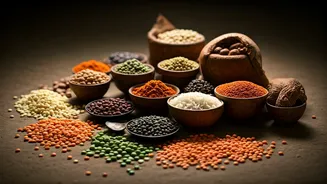
So, what does this look like on a plate? The opposite of a crisp, raw summer salad. Monsoon eating prioritizes cooked, warm, and soupy meals. Think of hearty lentil stews (dal), simple rice and lentil porridges (khichdi), and steamed or lightly sautéed vegetables. Root vegetables like sweet potatoes and yams, along with gourds like squash and zucchini, become staples because they are easy on the stomach when cooked. The goal is to give your digestive system a break. By cooking food, you’re essentially pre-digesting it, making it far easier for a sluggish gut to absorb nutrients. One of the most iconic monsoon dishes, khichdi, is the perfect example: a simple, one-pot meal of rice and moong dal, often seasoned with turmeric and ginger, that’s considered nourishing, cleansing, and incredibly gentle on the system.
Spices Are Your Best Friends
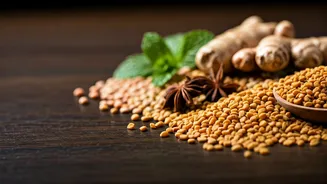
In this culinary tradition, spices aren't just for flavor; they're functional tools for wellness. During the monsoon, certain spices are used generously to stoke the digestive fire and boost immunity. Ginger is a superstar for its ability to combat nausea and aid digestion. Turmeric, famous for its anti-inflammatory properties, is used in almost everything. Black pepper helps increase the bioavailability of turmeric and adds a warming kick. Other key players include cumin, which helps prevent gas and bloating, and garlic, known for its powerful antibacterial and antiviral properties. These spices work together to create meals that are not only delicious but also act as a subtle, daily defense against the health challenges of the season.
What to Limit, and Why It Makes Sense
Just as important as what to eat is what to avoid. Heavy, deep-fried foods are the first to go. They are difficult to digest and can make a sluggish system feel even worse. Another surprising category often limited is leafy green vegetables. While they're nutritional powerhouses, during the monsoon, the excess moisture and mud can make them harder to clean and more likely to carry microbes that could cause infections. Raw foods in general, including salads, are approached with caution for the same reason. The logic is practical: anything that could introduce unwanted bacteria or overburden the gut is best avoided until the dry, sunny weather returns. Even dairy is often consumed in moderation, with a preference for fermented forms like yogurt or buttermilk, which contain probiotics that support gut health.