




First, Understand the 'Why'
The smartest first step is to play detective. Not all cravings are created equal. Are you experiencing true physical hunger, or is it a psychological urge? True hunger builds gradually, can be satisfied by a range of foods, and often comes with physical cues
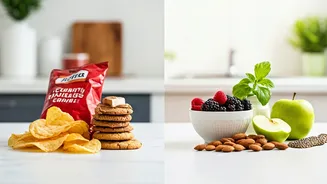
like a growling stomach. A craving, on the other hand, is often sudden, specific (you don't just want food, you want *that specific bag of chips*), and tied to emotions like stress, boredom, or habit. Before you reach for a snack, take 60 seconds to ask yourself: 'Am I actually hungry, or am I feeling something else?' Recognizing that your craving is a response to boredom can empower you to solve the root problem—by, say, taking a quick walk—instead of mindlessly eating.
Win the Day Before It Starts
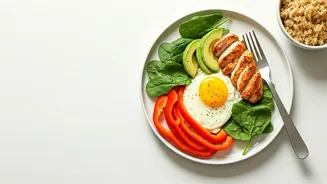
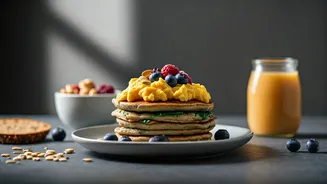
Many late-afternoon cravings are a direct result of an unstable morning. If your breakfast and lunch are low in protein and fiber, you’re setting yourself up for a blood sugar rollercoaster. When your blood sugar crashes a few hours after a carb-heavy meal, your body sends out an urgent signal for quick energy, which we interpret as a craving for sugar or refined carbs. The smarter strategy is to front-load your day. A breakfast and lunch rich in protein (eggs, Greek yogurt, chicken, legumes) and fiber (oats, vegetables, whole grains) will keep you fuller for longer and your blood sugar stable, effectively disarming the 3 p.m. snack monster before it even wakes up.
Hydrate Before You Masticate
It’s one of the oldest tricks in the book for a reason: it works. The section of our brain that interprets hunger and thirst signals, the hypothalamus, can sometimes get its wires crossed. Mild dehydration is often misinterpreted by the body as hunger. Before you decide you 'need' a snack, try drinking a full glass of water and waiting 15 minutes. More often than you’d think, the craving will either vanish or significantly subside. This simple pause not only helps you identify true hunger but also keeps you properly hydrated, which boosts energy and focus on its own.
Plan Your Snack, Don't Fight It
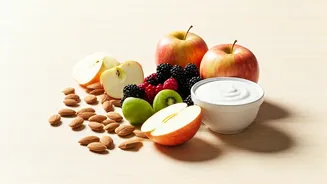
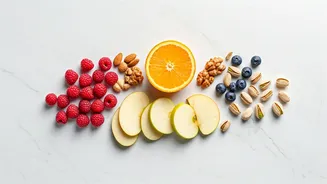
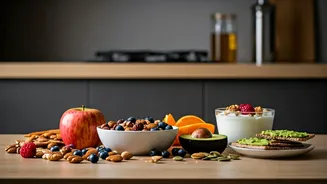
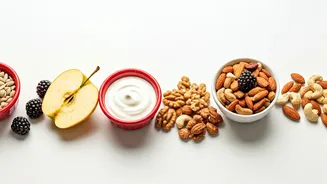
Constantly telling yourself 'no' to snacks can create a sense of deprivation that leads to overindulging later. A more sustainable approach is to build a planned, satisfying snack into your day. This isn't 'giving in'; it's a proactive strategy. The key is to make it a 'protein-plus' snack. Pair a protein with a healthy fat or a fiber-rich carbohydrate. Think apple slices with peanut butter, a handful of almonds with a few squares of dark chocolate, or baby carrots with hummus. This combination provides a steady release of energy and true satiety, preventing the mindless grazing that a bag of chips inspires.
Change Your Environment
Cravings are often triggered by our surroundings and routines. Do you always crave a cookie when you walk past the kitchen? Does a stressful email make you want to hit the vending machine? These are conditioned responses. The smartest way to break the cycle is to change the input. If you're bored, instead of heading to the pantry, walk around the block or call a friend. If you're stressed, try five deep breaths or listen to a favorite song instead of reaching for sugar. By disrupting the cue-craving-reward loop with a different, non-food activity, you begin to rewire your brain's automatic response.