





First, Why the Slump Happens
That post-meal drowsiness, often called a “food coma,” isn't just in your head. It's a physiological response called postprandial somnolence. When you eat a large meal, especially one high in refined carbohydrates and fats, your body releases a surge
of insulin. This hormone helps your cells absorb glucose, but it also makes it easier for an amino acid called tryptophan to enter your brain. Tryptophan is a building block for serotonin and melatonin—neurotransmitters that promote relaxation and sleep. Furthermore, your body diverts significant blood flow to your digestive system to process the meal, leaving less for your brain, which can make you feel foggy and tired. The solution isn't to skip meals, but to build smarter ones.
1. Go for Grilled Fish
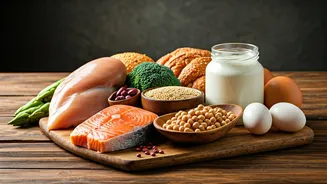
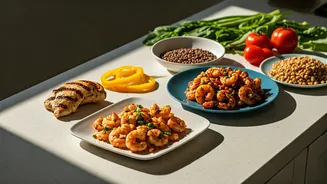
Fish like salmon, tuna, and cod are packed with high-quality protein and omega-3 fatty acids, which support brain function. Unlike heavy, fat-laden red meats, fish is relatively easy for your body to digest. Grilling, baking, or poaching are your best bets for preparation. A heavy, deep-fried fish sandwich with a side of fries is a one-way ticket to dreamland. A grilled salmon fillet on a bed of quinoa with asparagus, however, provides sustained energy. The key is the combination of lean protein and fiber-rich sides, which helps stabilize blood sugar and prevent the insulin spike that contributes to sleepiness. Think light, fresh, and flavorful.
2. Lean on Light Poultry
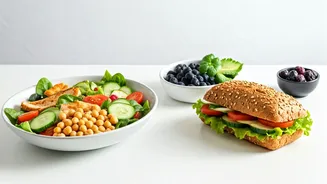
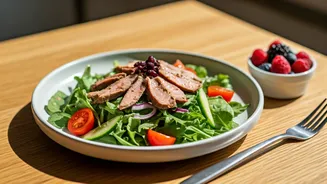
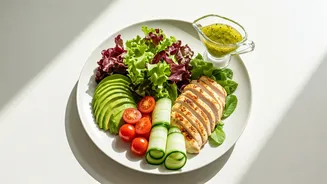
Chicken and turkey breast are fantastic sources of lean protein that can be incredibly versatile for summer meals. The secret is to stick with the white meat, as it's lower in fat than dark meat, and to avoid heavy sauces and breading. A chicken salad made with Greek yogurt instead of mayonnaise is a perfect example of a smart swap. You get the protein and creaminess without the excessive fat that can weigh you down. Another great option is sliced turkey breast wrapped in large lettuce leaves with hummus and crunchy bell peppers. It’s satisfying, protein-rich, and refreshing—the antithesis of a coma-inducing meal.
3. Embrace Plant-Based Champions
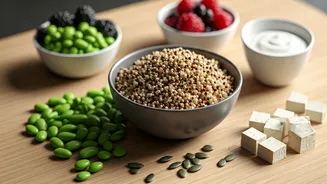
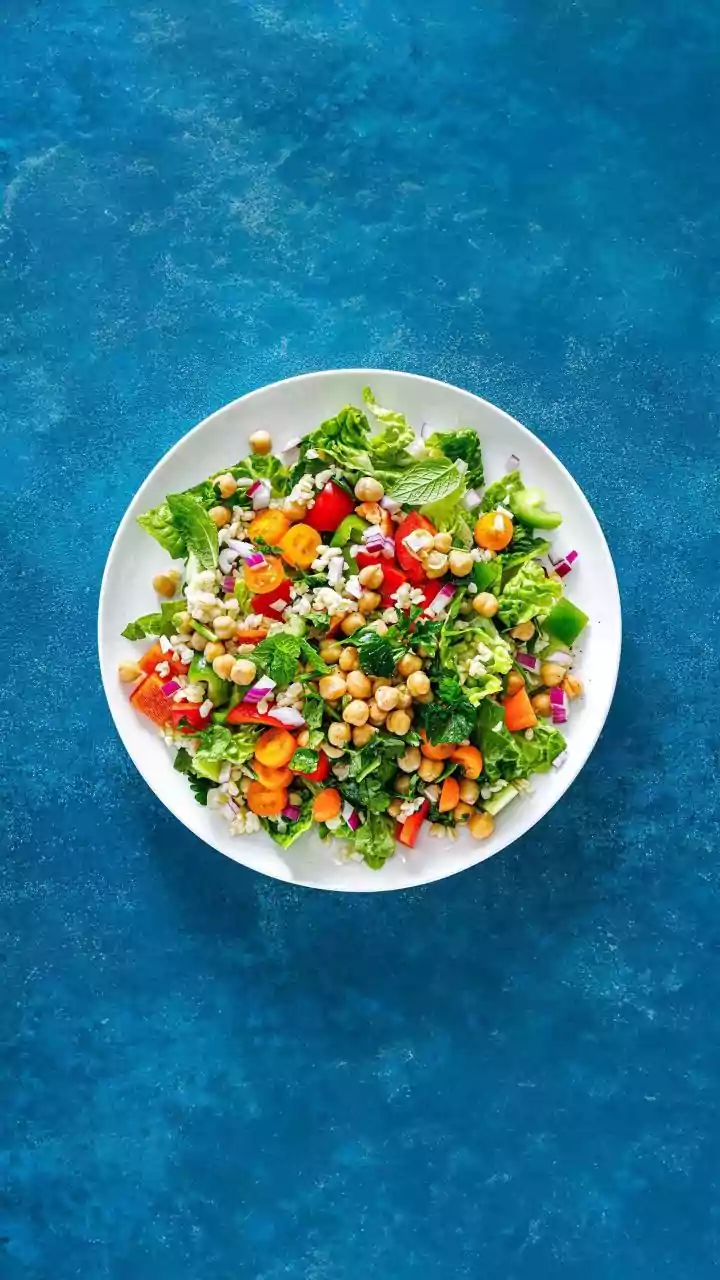
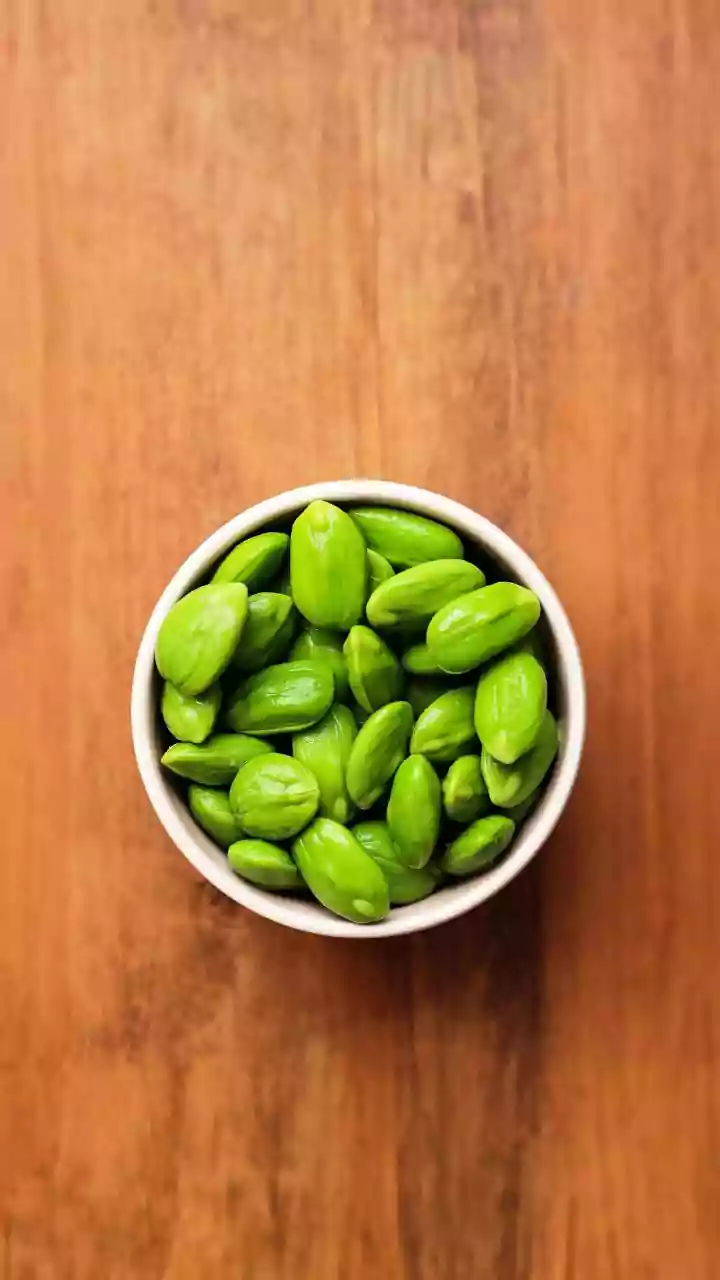
You don't need meat to get your protein fix. Plant-based sources like lentils, chickpeas, tofu, and edamame are energy-boosting powerhouses. A cold lentil salad with chopped vegetables and a lemon-herb vinaigrette is a summer classic for a reason: it’s filling, nutritious, and light. Chickpeas can be tossed into a green salad for extra substance or blended into hummus for a perfect protein-packed dip for raw veggies. These foods are also high in fiber, which slows digestion and promotes a steady release of energy. This prevents the dramatic blood sugar peaks and valleys that leave you feeling exhausted.
4. Utilize Dairy Dynamos
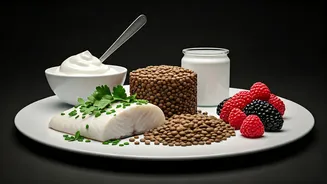
Greek yogurt and cottage cheese are simple, no-cook protein sources ideal for hot days when you can't bear to turn on the stove. A cup of plain Greek yogurt provides a significant amount of protein with minimal prep. Top it with a handful of berries and a sprinkle of nuts or seeds for a balanced meal with protein, healthy fats, and fiber. Cottage cheese, similarly, can be enjoyed with fresh fruit like peaches or melon. These options are hydrating and cool, providing a satisfying protein boost without the thermal effect of a hot, heavy meal that can make you feel even more sluggish in the summer heat.
5. Mind Your Portions and Pairings
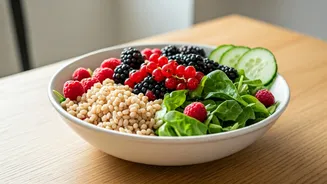
Even the healthiest protein can lead to a slump if the portion is too large or it's paired with the wrong things. A giant steak, no matter how lean, requires a lot of energy to digest. Aim for a portion of protein about the size of your palm. Just as important is what you put next to it. Swap out white bread, pasta, and sugary drinks for complex carbohydrates like quinoa, sweet potatoes, or whole-grain bread. Fill the rest of your plate with non-starchy vegetables like leafy greens, broccoli, and tomatoes. This balanced approach keeps your digestive load manageable and your energy levels stable, letting you enjoy the rest of your summer day.