



The Monsoon's Creative Canvas
For centuries, the monsoon season in South Asia has been a time of renewal, reflection, and creativity. As heavy rains curtail agricultural work, communities traditionally turn inward, and looms that were quiet during the harvest season come alive with
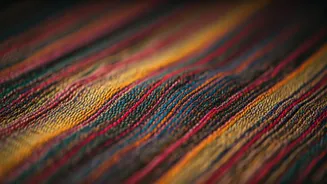
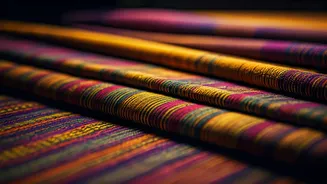
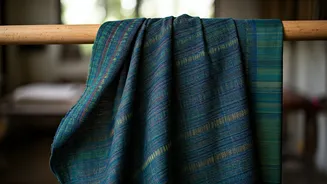
rhythmic clatter. This period isn't just downtime; it's a dedicated season for weaving. The softened, humid air is ideal for working with delicate threads like cotton and silk, which are less likely to snap. More than that, the landscape itself becomes the muse. The deep greens, the dramatic grey skies, and the electric burst of flora and fauna post-downpour find their way into the motifs and palettes of the textiles. Weaves like Leheriya from Rajasthan, with its diagonal lines mimicking sheets of rain, or the cloudy, ethereal patterns of Jamdani from Bengal, are direct odes to the season. These are not just fabrics; they are meteorological poetry captured in thread.
A New Generation at the Loom
While handloom is an ancient tradition, its latest chapter is being written by a surprisingly modern and youthful cohort. Across India, a new generation of designers, entrepreneurs, and artisans is challenging the narrative that craft is a dying art. These are not just inheritors of a family skill; they are savvy business owners, digital natives, and passionate advocates for sustainable style. They organize pop-up fairs in urban centers, transforming sterile galleries into bustling marketplaces that feel more like cultural festivals. Using platforms like Instagram and dedicated e-commerce sites, they bypass traditional middlemen, ensuring a larger share of the profit goes directly to the weavers. This youth-led movement is about more than just selling products; it’s about rebranding handloom for a global audience, emphasizing its relevance, artistry, and connection to a slower, more intentional way of life.
What 'Ethical Handloom' Really Means
The word "ethical" is often thrown around, but in the context of these fairs, it has tangible meaning. First and foremost, it signifies fair wages. By creating direct-to-consumer channels, these initiatives ensure weavers are compensated for their immense skill and time, rather than being exploited by a long chain of brokers. Secondly, it means cultural preservation. Every purchase supports the continuation of a specific weaving tradition that may be at risk of disappearing. Finally, it addresses environmental sustainability. Many of these collectives are reviving the use of natural dyes derived from plants, minerals, and insects, moving away from the toxic chemical dyes that dominate fast fashion. They prioritize organic, locally sourced materials, creating a product that is kinder to the planet from start to finish. Shopping here isn’t just an act of consumption; it's an investment in people and heritage.
A Shopper's Guide to Monsoon Weaves
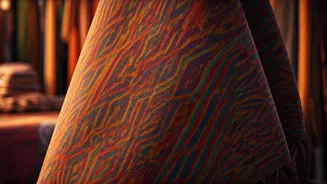
When you encounter these textiles, knowing what to look for can deepen your appreciation. Keep an eye out for 'Bandhani' tie-dye, particularly from Gujarat and Rajasthan, where tiny, intricate patterns often evoke the droplets of a light drizzle. Seek out 'Ikat' from Odisha or Telangana, where the threads are dyed before being woven, creating its characteristic hazy, blurred edges that feel wonderfully atmospheric. And, of course, there's the aforementioned 'Jamdani,' often called 'woven air' for its sheer, lightweight quality, featuring floral or geometric motifs that seem to float on the fabric's surface. Don't be afraid to touch the fabric; handloom textiles have a unique texture and 'hand feel' that machine-made cloth can never replicate. Ask about the story behind the pattern, the origin of the dyes, and the time it took to create. Each piece has a narrative.
How to Support the Movement from Afar
While attending a monsoon handloom fair in person is a magical experience, you can still support this vibrant movement from anywhere in the world. Start by following key organizations and designers on social media. Many youth-led collectives, such as The Handloom Project, Dastkar, or GoCoop, have robust online stores that ship internationally. When you find a piece you love, do a little research on the seller. Are they transparent about where their products come from? Do they feature the artisans who make them? By choosing to buy from platforms that celebrate the maker, you become part of the solution. Instead of just buying a scarf or a dress, you are casting a vote for a more equitable and beautiful fashion system.