


1. Wash Your Scalp, Not Your Ends
It’s a common mistake: piling shampoo on top of your head and vigorously scrubbing everything, including the delicate ends of your hair. Dermatologists and hairstylists agree this is backward. Shampoo is formulated to cleanse the scalp of oil, sweat,
and product buildup. Your ends, which are the oldest and most fragile part of your hair, don't need aggressive cleansing. Instead, concentrate your shampoo on the roots and scalp, massaging gently with your fingertips (not your nails). When you rinse, the suds will run down the lengths of your hair, providing all the cleansing they need without stripping away essential moisture.
2. Condition with Purpose
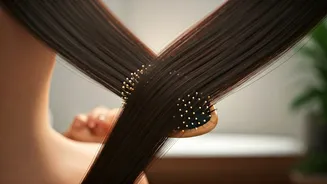
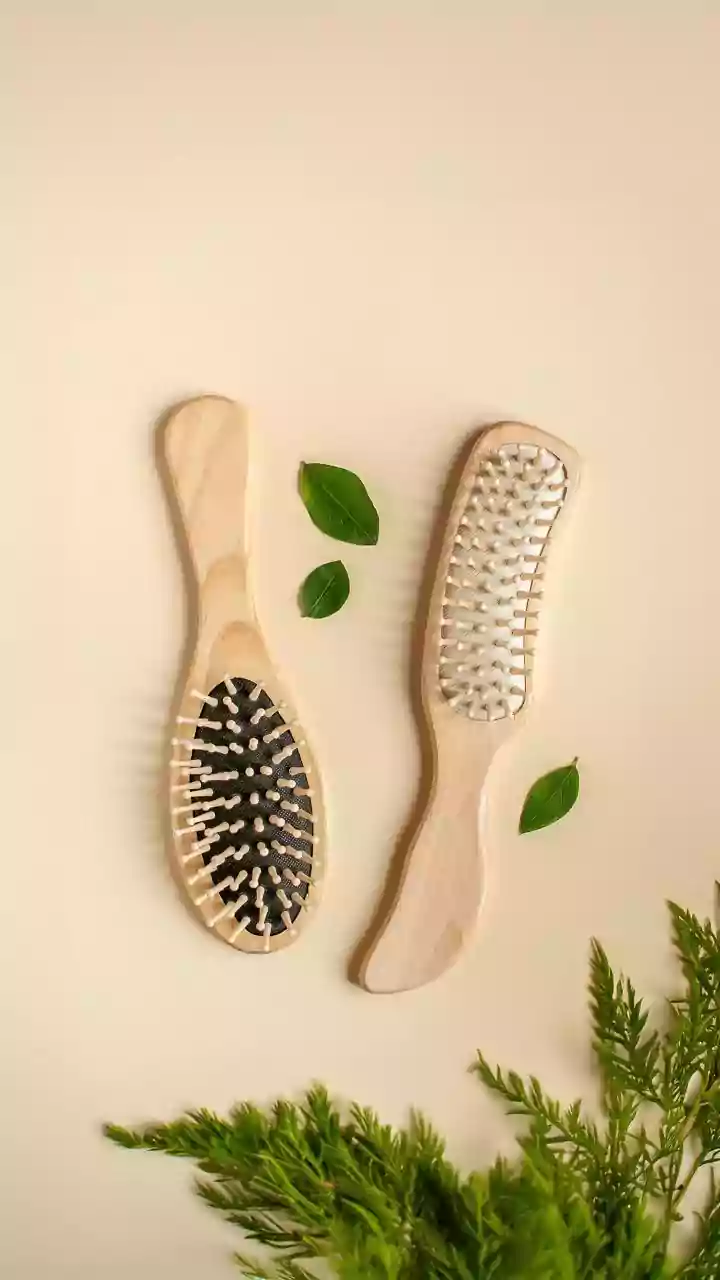
Conditioner’s job is the opposite of shampoo’s. While shampoo cleanses, conditioner restores moisture and smooths the hair cuticle. Applying it to your roots can weigh your hair down and make it greasy faster. The most effective technique is to apply conditioner from the mid-lengths to the ends, where your hair is the driest and most prone to damage. For an extra boost, gently comb it through with a wide-tooth comb while still in the shower to ensure even distribution and detangle without causing breakage. Let it sit for a few minutes before rinsing with cool or lukewarm water to help seal the cuticle and lock in shine.
3. Handle Wet Hair with Extreme Care
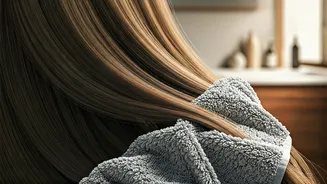
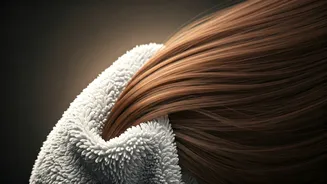
Hair is at its most vulnerable when wet. The protein bonds are temporarily weakened, making strands more susceptible to stretching and snapping. That vigorous towel-rubbing motion many of us use post-shower is a recipe for frizz and breakage. Experts recommend ditching the rough bath towel and instead gently squeezing excess water out with your hands, followed by blotting with a soft microfiber towel or even an old, clean t-shirt. These materials are much gentler and absorb water without roughing up the hair cuticle. When detangling, always start from the ends and work your way up to the roots to minimize pulling and stress on the hair shaft.
4. Make Heat Protectant Non-Negotiable
If you ask a top stylist for their number one rule, this is often it. Using hot tools like flat irons, curling wands, and even blow dryers without a protective barrier is one of the fastest ways to cause irreversible damage. Heat protectant sprays work by creating a shield over the hair strand, which slows down heat conduction and distributes it more evenly. This simple step minimizes moisture loss, reduces the risk of fried ends, and preserves your hair's natural texture and color. Think of it like sunscreen for your hair—a crucial preventive measure you should never skip.
5. Treat Your Scalp Like Your Skin
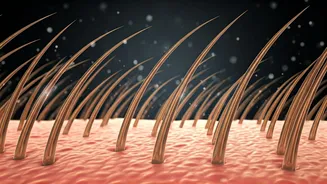
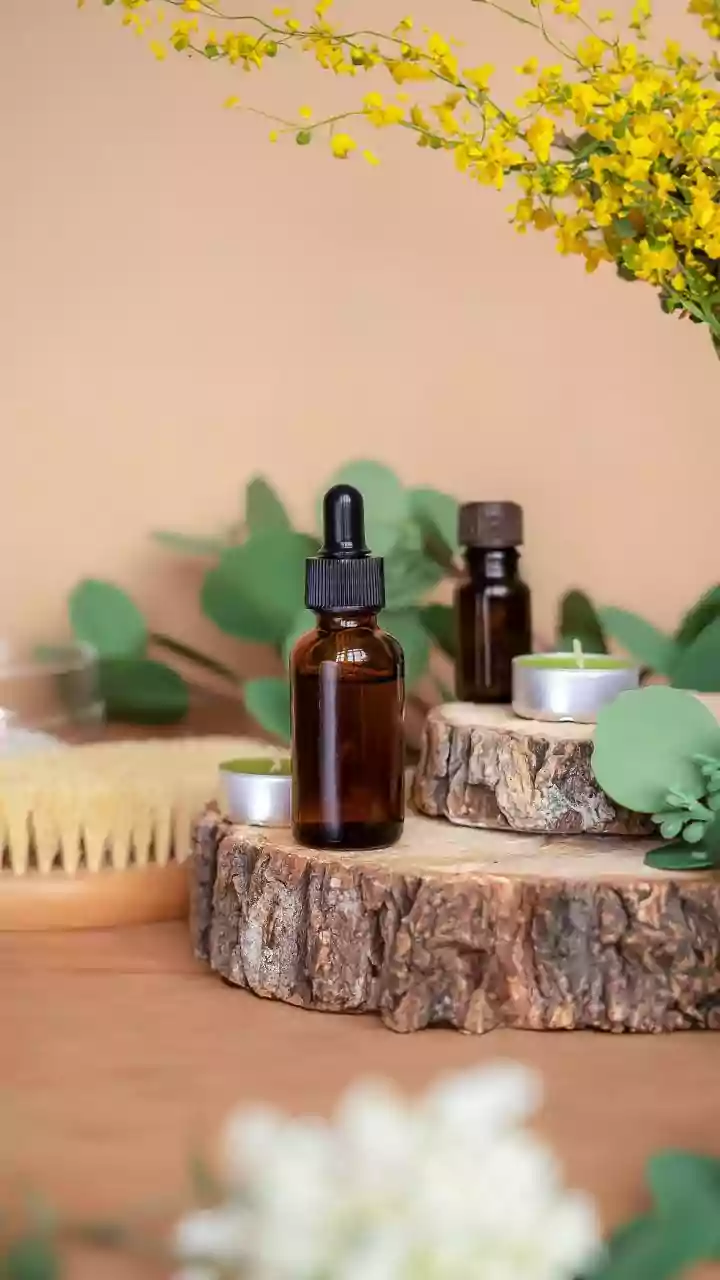
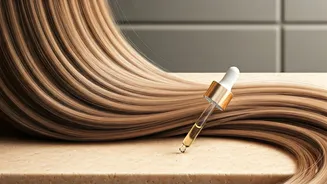
Healthy hair begins with a healthy scalp. For too long, we’ve focused only on the strands themselves, but trichologists (hair and scalp specialists) emphasize that your scalp is skin and requires similar care. If you experience dryness and flakes, a hydrating scalp serum or treatment can help. If you struggle with oiliness and buildup, a clarifying shampoo or a scalp scrub used once or twice a month can reset the environment. A healthy, balanced scalp provides the optimal foundation for strong hair growth. Ignoring issues like dandruff, itchiness, or excessive oil can impede hair follicles and affect the quality of the hair that grows.
6. Rethink Your Nightly Routine
What happens to your hair while you sleep can either help or harm it. Tossing and turning on a traditional cotton pillowcase creates friction, leading to tangles, frizz, and breakage. Experts widely recommend switching to a silk or satin pillowcase. The smooth surface allows your hair to glide across it, reducing friction and helping to preserve your style. Additionally, avoid sleeping with your hair in a tight ponytail or bun, which can cause tension and lead to a form of hair loss called traction alopecia over time. Instead, opt for a loose braid or a gentle scrunchie to keep hair contained without stress.