




What Exactly Is Mango Sago?
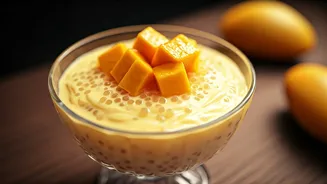
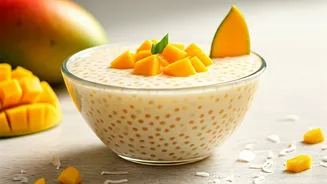
At its heart, mango sago is a chilled dessert soup or pudding that hails from Hong Kong and is beloved across Southeast Asia. It’s a deceptively simple concoction with a complex, satisfying texture. The primary components are ripe, sweet mangoes, creamy
coconut milk, and chewy sago pearls (small tapioca pearls). The mango is often pureed to create a luscious, smooth base, with more diced mango folded in for fresh, fruity bites. The sago pearls, once cooked, become translucent, gelatinous spheres that provide a delightful chewiness, playfully contrasting with the velvety pudding. It’s served cold, making it an incredibly refreshing antidote to a hot summer day—part dessert, part beverage, and entirely delicious.
Why It’s Gone Viral
So, why the sudden explosion in popularity? Mango sago is tailor-made for the visual world of TikTok and Instagram. Its brilliant yellow hue is instantly eye-catching, and videos showcasing the process—pouring the creamy mango base over a bowl of glistening sago pearls—are deeply satisfying. The textures create an ASMR-friendly experience, from the gentle plop of the pearls to the smooth stir of the coconut milk. Beyond aesthetics, it hits the sweet spot of being exotic enough to feel special but simple enough for home cooks to try. It requires no baking and uses relatively few, accessible ingredients, empowering anyone to create a restaurant-quality dessert in their own kitchen. It's the perfect storm of visual appeal, textural bliss, and approachability.
Choosing Your Key Ingredients
The quality of your mango sago hinges on just a few items, so it’s worth choosing them well. **Mangoes:** This is the star. Opt for the sweetest, least fibrous mangoes you can find. Ataulfo (also known as Honey or Champagne) mangoes are the gold standard here; their flesh is buttery, intensely sweet, and not stringy. If you can't find them, any ripe, fragrant mango will work. Just make sure it’s at peak ripeness for maximum flavor. **Sago:** Look for small tapioca pearls, often labeled “sago,” at an Asian grocery store or online. Do not use large boba pearls, as their texture and cooking time are completely different. The small pearls are essential for the classic texture. **Coconut Milk:** Use full-fat, unsweetened coconut milk from a can. The richness is non-negotiable for achieving that signature creamy, indulgent consistency. Light coconut milk will result in a watery, less satisfying pudding.
The Ultimate Mango Sago Recipe
This recipe serves 4-6 and comes together in about 30 minutes, plus chilling time. **Ingredients:** - 3-4 large, ripe Ataulfo (Honey) mangoes - ½ cup small sago (tapioca pearls) - 1 can (13.5 oz) full-fat coconut milk - ¼ to ½ cup sweetened condensed milk (or to taste) - ½ cup milk (dairy or plant-based), optional for a thinner consistency **Instructions:** 1. **Cook the Sago:** Bring 4 cups of water to a rolling boil. Add the sago pearls and cook for 10-15 minutes, stirring occasionally to prevent sticking. The pearls are done when they are mostly translucent with a tiny white dot in the center. Turn off the heat, cover, and let them sit for another 10 minutes until fully translucent. Drain the sago and rinse thoroughly under cold water to remove excess starch and stop the cooking process. Set aside. 2. **Prepare the Mango:** Peel the mangoes. Dice one mango into small cubes and set aside for garnish. Place the flesh of the remaining 2-3 mangoes into a blender. 3. **Blend the Base:** To the blender with the mangoes, add the coconut milk and sweetened condensed milk (start with ¼ cup). Blend until completely smooth. Taste the mixture and add more sweetened condensed milk if you prefer it sweeter. If the mixture is too thick for your liking, blend in the optional ½ cup of milk. 4. **Assemble and Chill:** In a large bowl, combine the cooked sago pearls, the blended mango base, and the reserved mango cubes. Stir gently to combine. Cover and chill in the refrigerator for at least 1-2 hours, or until thoroughly cold. The pudding will thicken slightly as it chills. Serve in small bowls or glasses.
Tips for Perfect Pudding
To ensure your mango sago is flawless every time, keep a few things in mind. First, don't overcook the sago, or it will turn to mush. Rinsing it in cold water immediately after cooking is a crucial step to maintain its chewy texture. Second, always taste your mangoes before you start. If they aren't very sweet, you'll need to be more generous with the sweetened condensed milk. Finally, don't be afraid to customize. For a classic Hong Kong variation, top your pudding with fresh pomelo segments, which add a wonderful, slightly bitter citrus burst that cuts through the richness. A sprinkle of toasted coconut flakes or a mint leaf also makes for a beautiful presentation.