



The Emerald Carpet of South India
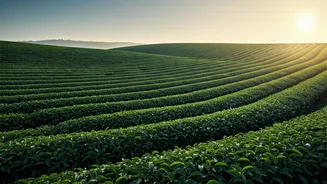
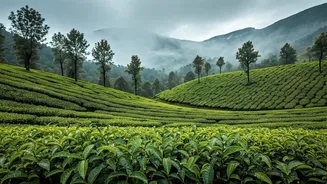
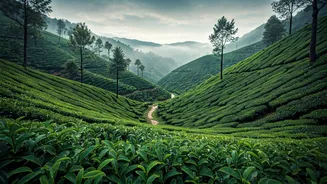
Imagine rolling hills blanketed in a vibrant, manicured carpet of green as far as the eye can see. Now, add a layer of mystical, low-hanging clouds that drift through the valleys. That’s Munnar, a hill station nestled in the Western Ghats mountain range
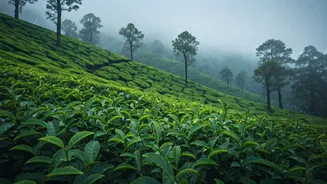
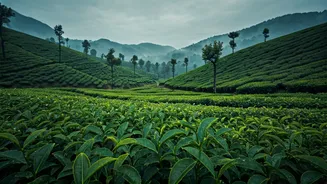
in India’s Kerala state. Situated at an altitude of around 5,200 feet, its landscape is dominated by sprawling tea plantations, some of which were first established in the late 19th century. This stunning, almost surreal scenery is what makes Munnar a darling of Instagram and TikTok. The perfectly trimmed tea bushes create graphic lines and textures that pop on screen, while the ever-present mist adds a dreamy, atmospheric quality to every photo and video. It’s a place that feels purpose-built for a cinematic travel reel, capturing a side of India that defies the cliché of hot, dusty plains.
So, Is It Really Freezing?
The word ‘freezing’ in the context of Munnar needs a little decoding. While the headline conjures images of ice and snow, the reality is more nuanced—and depends heavily on the season. During the monsoon (roughly June to September), Munnar doesn't literally freeze. Instead, it offers a cool, dramatic escape from the sweltering heat common elsewhere in India. Temperatures hover comfortably in the 60s and 70s Fahrenheit, accompanied by heavy rains and a pervasive mist that gives the region its moody, romantic character. The ‘freezing’ phenomenon people talk about actually occurs during Munnar’s winter, from December to February. In these months, overnight temperatures can and do dip to freezing (32°F), creating a delicate layer of frost on the tea leaves. This spectacle, known locally as the ‘frost of Munnar,’ is a major tourist draw in its own right. So, while you won’t need a parka for a monsoon trip, you will find a refreshingly cool climate that feels a world away from the tropical coast just a few hours’ drive away.
The Monsoon Experience: Is It Worth It?
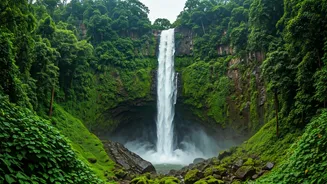
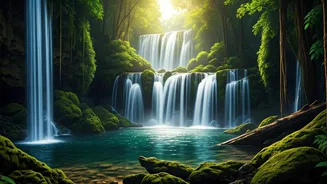
Traveling during monsoon season might sound like a washout, but in Munnar, it’s a calculated trade-off. The biggest pro is the landscape itself. The rain transforms the region into an impossibly lush, vibrant version of itself. Waterfalls that are mere trickles in the dry season become roaring cascades, and the tea gardens take on their deepest shade of green. You’ll also find far fewer tourists, allowing for a more serene and personal experience. The downsides, however, are real. Persistent rain can disrupt travel plans, and you need to be prepared for wet conditions on any excursion. Leeches are common on trails, and there is a heightened risk of landslides on the winding mountain roads. But for travelers seeking atmosphere over guaranteed sunshine, the monsoon offers Munnar at its most dramatic and photogenic.
Beyond the Perfect Instagram Shot
While the tea gardens are the main event, Munnar is more than just a pretty backdrop. For a deeper dive into the region's signature crop, visit the Tata Tea Museum (also known as the KDHP Museum), where you can learn about the history of tea cultivation and processing in the area. Nature lovers should head to Eravikulam National Park, home to the endangered Nilgiri tahr, a species of mountain goat endemic to these hills. The park is often closed during the peak monsoon due to the tahr’s calving season, so check its status before you go. For breathtaking views (on a clear day), a drive toward Top Station or a trek to Anamudi Peak, the highest point in South India, offers a stunning perspective of the Western Ghats. Many local resorts also offer guided nature walks, bird-watching tours, and visits to spice gardens.
Your Munnar Travel Plan
For American travelers, getting to Munnar requires a bit of planning. The nearest major international airport is Cochin International Airport (COK) in Kochi. From there, Munnar is a winding, scenic four- to five-hour drive. You can hire a private car and driver for the journey, which is the most common and comfortable option. When it comes to lodging, consider staying in a converted tea estate bungalow or a resort with views of the plantations for the full experience. As for packing, layers are your best friend. Bring lightweight sweaters, a reliable waterproof jacket, and sturdy, comfortable shoes with good grip. And don't forget a portable battery pack—you’ll be taking more photos and videos than you think.