




What Exactly Is Mango Sago?
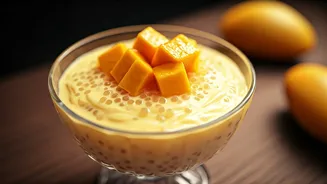
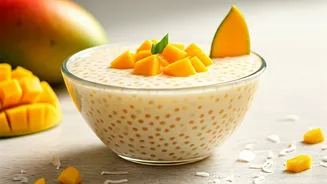
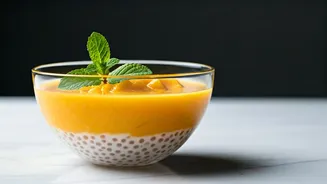
Imagine a vibrant, golden-hued bowl of chilled, creamy bliss. At its heart, mango sago is a simple but brilliant combination of ripe, sweet mango, chewy little tapioca-like pearls called sago, and a luscious river of sweetened coconut milk. It’s served
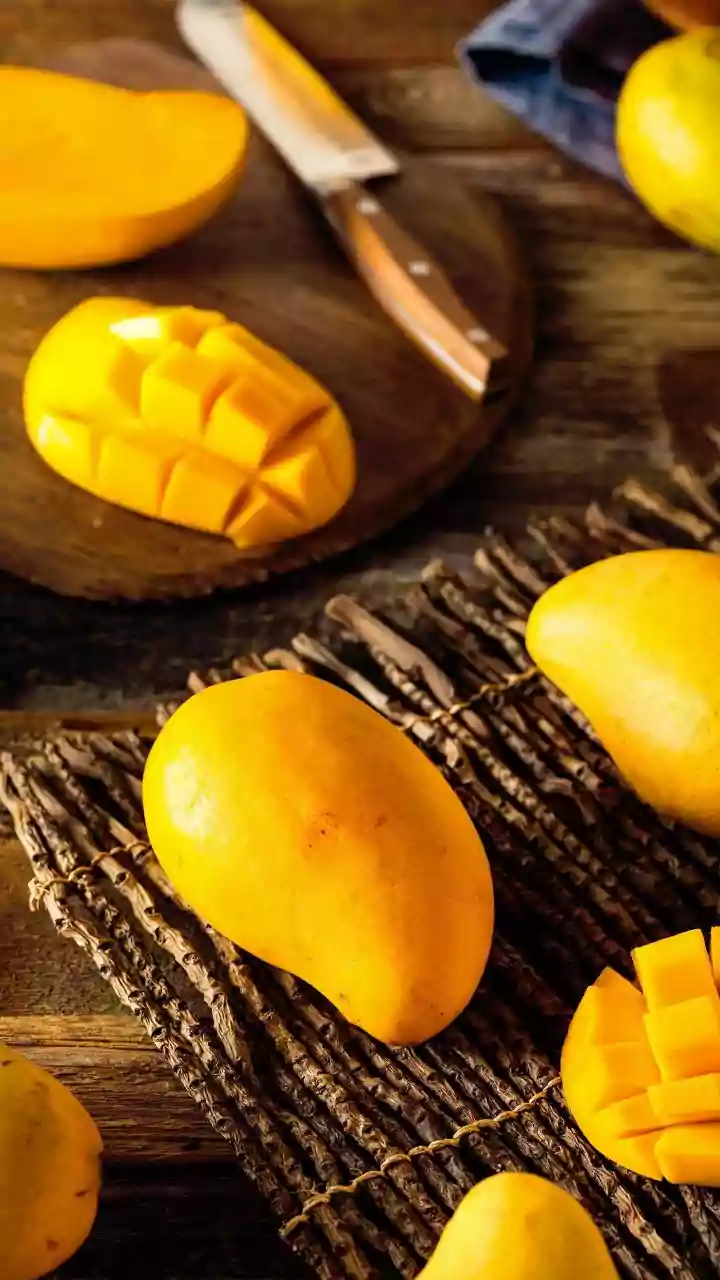
cold, straddling the line between a pudding, a soup, and a drink. Unlike heavy, dairy-laden desserts, it feels light and restorative. The core components are straightforward: fresh mango chunks are blended into a puree with coconut milk and often a touch of condensed milk for sweetness, then mixed with cooked sago pearls and topped with more diced mango. Some variations add pomelo sacs for a gentle, citrusy burst that cuts through the sweetness, a version known as Mango Sago Pomelo.
A Taste of Hong Kong
While its exact origin story is debated, mango sago was popularized in the 1980s by Hong Kong dessert shops, most famously Hui Lau Shan. In a city known for its sweltering humidity, a market emerged for refreshing, fruit-forward desserts that weren't just an afterthought but the main event. Dessert houses, or *tong sui* shops, became social hubs where people would gather for sweet soups and puddings. Mango sago perfectly captured this spirit. It was modern, used tropical fruit that was readily available, and offered a complex textural experience that felt both comforting and sophisticated. Its popularity exploded across Asia, becoming a staple in Singapore, Malaysia, and Taiwan before making its way to Chinatowns and, eventually, mainstream dessert bars across the United States.
The Perfect Texture Trifecta
The magic of mango sago lies in its texture. A great dish is often a study in contrasts, and this dessert is a masterclass. First, you have the creamy, velvety base of the mango and coconut milk puree—smooth, cool, and rich. Floating within are the sago pearls, which provide a delightful, slightly bouncy chewiness. They don’t have much flavor on their own, but they act as tiny, playful spheres that make each spoonful more interesting. Finally, you get the soft, juicy cubes of fresh mango, which release bursts of pure, unadulterated fruit flavor. This trifecta—creamy, chewy, and soft—is what elevates mango sago from a simple fruit pudding to a full-blown sensory experience. It’s never monotonous; every bite is a little different.
More Than Just a Sweet Finish
In the U.S., we often think of dessert as a heavy, decadent cap to a meal—a slice of chocolate cake or a rich cheesecake. Mango sago challenges that notion. It's substantial enough to be satisfying but light enough that you don't feel weighed down afterward. This makes it the ideal afternoon pick-me-up on a hot day or a refreshing palate cleanser after a savory meal. Its photogenic, sunny-yellow appearance also makes it a star on social media, further fueling its rise in popularity. As Americans continue to explore global cuisines, desserts like mango sago are finding a welcome audience eager for flavors and textures beyond the Western canon.
So, Is It The Best?
Declaring any single food “the best” is a fool’s errand—taste is deeply personal. If your idea of summer indulgence is a towering ice cream cone with sprinkles, mango sago might not dethrone it. But here’s the case for it: no other dessert quite captures the essence of summer in the same way. It’s fruity without being a simple fruit salad, creamy without being heavy, and sweet without being cloying. It’s refreshing, texturally fascinating, and deeply satisfying. It manages to feel like both a healthy choice and a genuine treat at the same time. While a scoop of vanilla is reliable, mango sago is an adventure. It offers a taste of another culture's solution to a universal problem: how to find a moment of pure, blissful relief on a hot summer day.