




Witness a River Ritual in Varanasi
As dusk settles over the holy city of Varanasi, a mesmerizing spectacle unfolds along the stone steps, or ghats, of the River Ganges. The Ganga Aarti is a nightly ceremony of fire, chanting, and devotion dedicated to the river goddess. Thousands of pilgrims
and travelers gather as Brahmin priests, clad in saffron robes, move in synchronized harmony, waving tiered candelabras of fire while bells chime and incense perfumes the air. It’s an auditory and visual symphony that feels both grand and deeply personal. To witness it is to feel the pulse of a faith that has flowed through this city for millennia. You can watch from a boat on the river for a panoramic view or find a spot on the Dashashwamedh Ghat to be immersed in the energy of the crowd. It’s a powerful, goosebump-inducing experience that connects you directly to the spiritual heart of India.
Learn an Artisan Craft in Rajasthan
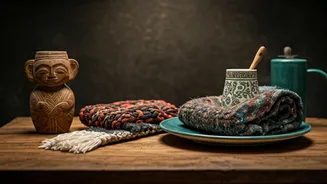
The desert state of Rajasthan is a kaleidoscope of color, much of it thanks to its legendary textiles. In the villages around Jaipur, like Sanganer and Bagru, the ancient art of block-printing is still practiced by artisan families who have passed the skill down through generations. But this isn’t a tradition locked behind museum glass. Many workshops welcome visitors to not only see the painstaking process—from carving intricate wooden blocks to mixing natural dyes—but to try it themselves. Spending a day with a master craftsman, stamping your own scarf or fabric, is more than a souvenir hunt; it's a hands-on lesson in history, patience, and artistry. You leave with a deeper appreciation for the patterns you see in every market and a tangible connection to a craft that has defined the region’s identity for centuries.
Experience a Martial Art in Kerala
In the lush, green landscapes of Kerala, a different kind of tradition comes to life: Kalaripayattu. Often cited as one of the oldest martial arts in the world, it is a dynamic fusion of acrobatic grace, powerful strikes, and weapons training. Its movements are believed to have influenced many of Kerala's famous dance forms, like Kathakali. While you might not be signing up for combat, you can experience its raw energy at a demonstration. Many cultural centers in cities like Kochi and Trivandrum host nightly performances in traditional sunken arenas called ‘kuzhis.’ Watching practitioners leap, spin, and wield swords and shields with breathtaking precision is to see a living embodiment of ancient warrior codes. It’s a thrilling, visceral reminder that tradition in India is not always quiet or contemplative; sometimes, it is fiercely alive and full of power.
Taste the Heart of India in a Homestay
Perhaps the most authentic way to connect with Indian tradition is to be welcomed into a home. Across the country, the homestay network has blossomed, offering travelers a chance to experience daily life beyond the hotel lobby. This is where tradition becomes personal. It’s in the recipes a host mother has learned from her grandmother, shared over a communal dinner. It’s in the stories told over a morning cup of chai, the local festivals you’re invited to join, and the gentle rhythm of a household. Whether it’s a coffee plantation in Coorg, a historic haveli in Rajasthan, or a quiet home in the Himalayan foothills, a homestay strips away the formalities of tourism. It offers an unfiltered taste of Indian hospitality and the quiet, enduring traditions that bind families and communities together.
Explore the Living Temples of the South
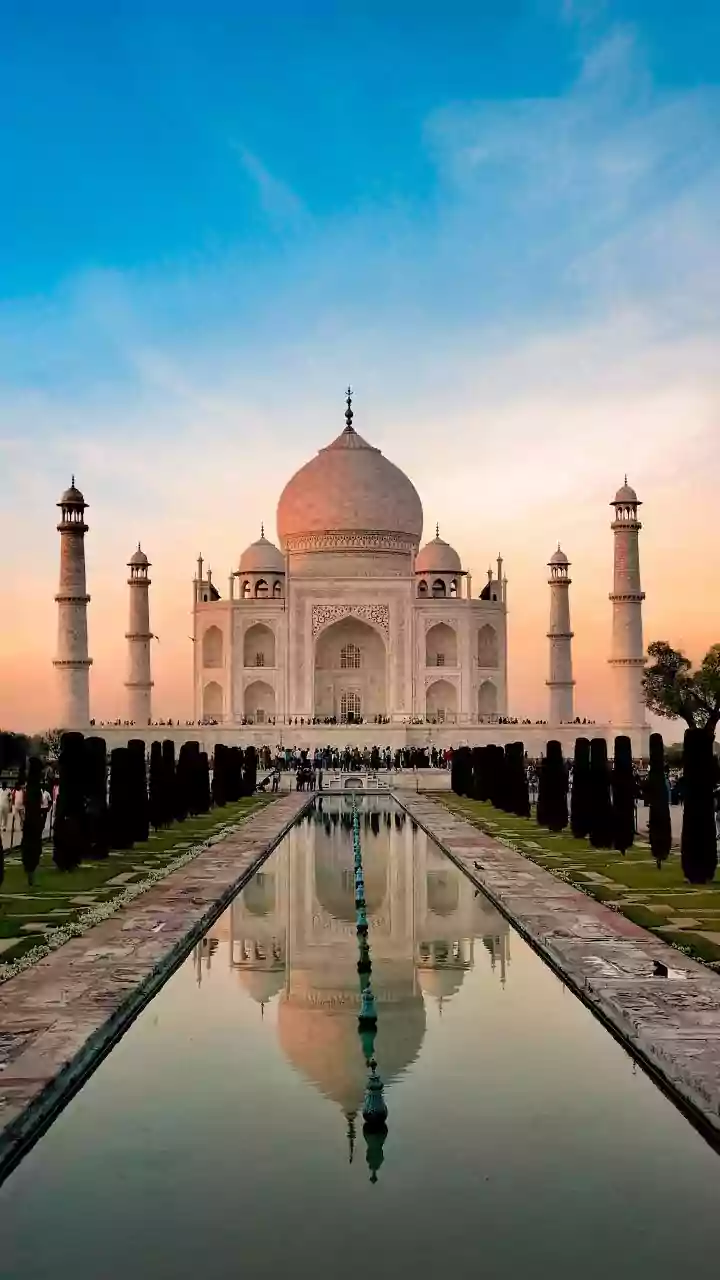
While the Taj Mahal is a monument to the past, the great temple complexes of South India are very much part of the present. In cities like Madurai, Thanjavur, and Tiruchirappalli in Tamil Nadu, colossal temples aren't just architectural marvels; they are the bustling centers of community life. The Meenakshi Amman Temple in Madurai, for example, is a 'city within a city' where thousands of devotees and locals stream through daily for worship, commerce, and socializing. Elephants bless visitors, vendors sell flower garlands, and the air hums with constant activity. To wander these sacred halls is to step into a continuum of faith that has remained unbroken for over a thousand years. It’s a powerful lesson that in India, the most sacred spaces are also the most alive.