



The Promise of the First Rain
In many parts of the world, a string of rainy days is a nuisance. But in South Asia, the arrival of the monsoon is a celebrated, transformative event. It marks the end of a scorching, oppressive summer heat. The first shower, known as ‘pehli barish,’
is an almost spiritual moment of relief and renewal. The air, once thick with dust, is washed clean. The parched earth drinks deeply, releasing a distinct, beloved fragrance called petrichor. For generations, this meteorological shift has been tied to poetry, music, and, most deliciously, food. It’s a time for families to gather and indulge in snacks that are either fried and crispy or warm and sweet—perfect counterpoints to the cool, damp weather outside.
Meet Malpua: The Perfect Monsoon Pancake
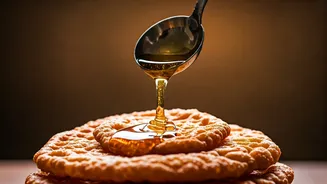
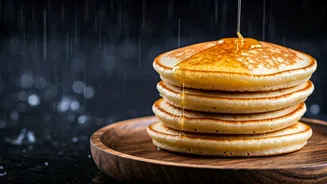
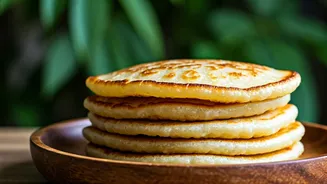
While American pancakes are fluffy breakfast staples, the traditional sweet pancake of the monsoon is something else entirely. Meet malpua: a rich, tender pancake that’s fried until its edges are crisp and its center is soft, then soaked in a fragrant, sugar syrup. It’s less of a breakfast food and more of a decadent dessert or celebratory snack. Originating from the Indian subcontinent, malpua is one of the region’s oldest known sweets. Its texture is a delightful paradox—simultaneously chewy, crisp, and syrupy. The flavor is complex, often infused with cardamom and fennel, making each bite an aromatic experience that perfectly complements the sound of rain against a windowpane.
Gathering Your Ingredients
Making malpua at home is surprisingly straightforward and doesn't require a trip to a specialty store. You’ll need about 1 cup of all-purpose flour, a quarter-cup of fine semolina (for a slight crunch), and a quarter-cup of milk powder for richness (a common substitute for the traditional ‘khoya’). For the batter, you’ll also need about 1 cup of warm milk to bring it all together. The aromatic heart of the dish comes from a half-teaspoon of crushed fennel seeds and a quarter-teaspoon of ground cardamom. For the sugar syrup, simply combine 1 cup of sugar with a half-cup of water, and perhaps a few strands of saffron for color and aroma. Finally, you’ll need a neutral oil or ghee for frying.
Crafting the Batter and Syrup
Start with the syrup, as it needs to cool slightly. In a small saucepan, combine the sugar and water. Bring it to a boil, stirring until the sugar dissolves. Let it simmer for 4-5 minutes until it’s slightly sticky, but not a thick, one-string consistency. Turn off the heat, add the saffron and a pinch of cardamom, and set it aside. For the batter, whisk together the flour, semolina, and milk powder in a large bowl. Slowly pour in the warm milk, whisking continuously to avoid lumps. You’re looking for a smooth, flowing batter, similar in consistency to American pancake batter but perhaps a touch thinner. If it’s too thick, add a tablespoon more milk. If too thin, a bit more flour. Cover the batter and let it rest for at least 30 minutes. This allows the semolina to soften and the flavors to meld.
Frying and Soaking for a Perfect Finish
Now for the fun part. Heat about an inch of oil or ghee in a wide, shallow pan over medium heat. The oil should be hot but not smoking. To test it, drop a tiny bit of batter in; it should sizzle and float to the top. Using a ladle, pour a small amount of batter (about a quarter cup) into the hot oil. It will spread into a small, round disc. Don’t overcrowd the pan; fry one or two at a time. Cook for 2-3 minutes until the edges are golden and crisp, then gently flip and cook the other side for another minute or two. Using a slotted spoon, lift the fried pancake from the oil, let the excess drip off, and immediately immerse it in the warm sugar syrup. Let it soak for about a minute on each side before transferring it to a serving platter. Repeat with the remaining batter, garnishing the final stack with chopped pistachios or almonds.