






The Search for Silence
In our hyper-connected world, the most coveted luxury is no longerthread counts or tasting menus—it's silence. True, uninterrupted silence. It's the space between thoughts, the absence of notifications, the freedom to let your mind wander without a digital
tether. This deep-seated need for a mental reset has fueled a new kind of travel, one where the main attraction is what’s missing: Wi-Fi signals, cell service, and the relentless pressure to be available. Travelers aren’t just looking to see a new place; they're looking to find a quieter version of themselves. This is the promise of the tech detox vacation, and few places embody this ethos as profoundly as the eco-lodges nestled along the Kabini River in Karnataka, India.
Welcome to the Riverlands
Flowing from Kerala into Karnataka, the Kabini River creates a lush, vibrant ecosystem on the edge of Nagarhole National Park, one of India’s premier wildlife reserves. This isn’t a landscape of grand, dramatic peaks, but of quiet, life-giving water and dense forest. The riverbanks are a theater of the wild, where herds of elephants come to drink, crocodiles bask motionlessly on the shores, and hundreds of bird species fill the air with sound. The region’s allure is its unhurried pace, dictated by the sun and the movement of animals, not the ticking of a clock. It’s here, in this pocket of serene biodiversity, that a unique style of eco-tourism has flourished, offering an immersive escape that feels worlds away from modern life.
An Architecture of Escape
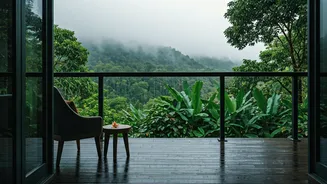
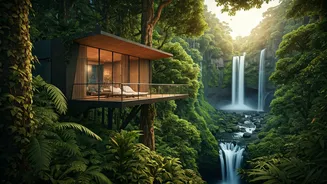
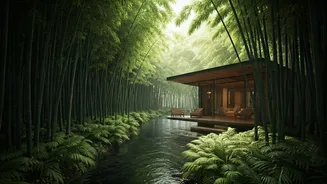
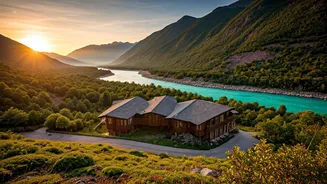
The headline’s “bamboo grove eco-lodge” perfectly captures the spirit of places like Evolve Back, Kabini, a resort that has perfected the art of rustic luxury. The architecture here isn’t about imposing on the landscape but melting into it. Inspired by the local Kadu Kuruba tribal villages, the individual huts and villas are crafted from natural materials like thatch and, yes, bamboo. They offer the comfort of a high-end hotel—private pools, plush furnishings—but with a design that constantly pulls your attention outward. Walls of windows face the river, open-air verandas invite long afternoons with a book, and pathways wind through foliage, making a simple walk to the dining area an act of discovery. The design is a statement: the most valuable amenity here is the nature that surrounds you.
A Day Without a Screen
So, what do you do when scrolling is off the table? You engage your senses. A typical day in Kabini might start with a coracle ride—a traditional, bowl-shaped boat—drifting silently on the water as the morning mist lifts. This is followed by a jeep safari into Nagarhole, where the thrill isn’t just spotting a leopard or a tiger, but the patient, watchful attention it requires. Afternoons can be spent with a naturalist, learning to identify the calls of the Malabar trogon or the racket-tailed drongo. There are no televisions in the rooms by design. The evening’s entertainment is the star-filled sky and the symphony of nocturnal creatures. You quickly realize how much you’ve been missing while staring at a screen. Your brain, freed from the dopamine loop of social media, begins to notice the intricate patterns on a butterfly’s wing or the subtle shift in the light as the sun sets.
The New Definition of Luxury
A trip to a place like this redefines luxury itself. It shifts from being about material opulence to experiential richness. The ultimate indulgence isn't a gold-plated fixture; it's having a conversation with your partner without a phone on the table. It’s watching an elephant bathe with its young, feeling the profound peace of being a small part of a vast, ancient ecosystem. This is what the “ultimate tech-detox” truly means. It’s not about punishment or forced deprivation, but about replacing a shallow, frantic form of stimulation with something deep, restorative, and profoundly human. You don't just leave your devices behind; you leave behind the anxious, distracted person you are when you're tethered to them.