





The Hidden Danger in Those G-Vines
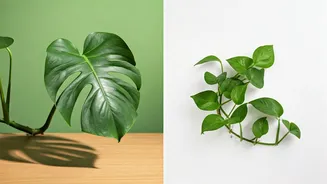
The Golden Pothos, along with its many variegated cousins like the Marble Queen and Neon Pothos, is ubiquitous for a reason. It’s hardy, fast-growing, and forgiving—the perfect beginner plant. Its trailing vines offer instant drama to any shelf or corner.
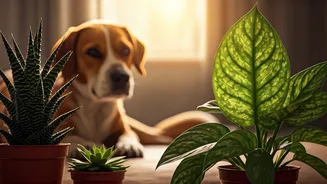
Unfortunately, every single part of the plant is toxic to both cats and dogs. According to the ASPCA, Pothos contains insoluble calcium oxalate crystals. These are microscopic, needle-like structures that cause immediate and painful irritation upon contact. When a curious cat or dog chews on a leaf or stem, these crystals are released, embedding themselves in the soft tissues of the mouth, tongue, and throat. It’s a powerful, natural defense mechanism for the plant, but a painful and frightening experience for a pet.
Know the Signs: What to Watch For
Because the irritation is immediate, symptoms of Pothos ingestion usually appear right away. This is actually a small blessing, as it prevents most pets from consuming a life-threatening amount. However, it’s crucial to recognize the signs of poisoning so you can act quickly. Be on the lookout for intense oral irritation, pawing at the face or mouth, excessive drooling, difficulty swallowing, and vomiting. In some cases, you may notice swelling of the lips, tongue, and throat, which can lead to breathing difficulties. While rarely fatal, Pothos poisoning is extremely uncomfortable and warrants a call to your veterinarian. If you suspect your pet has chewed on a Pothos, contact your vet or the Pet Poison Helpline immediately for guidance.
Safe Styling Solution: Go High
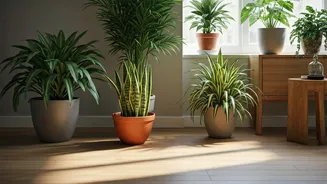
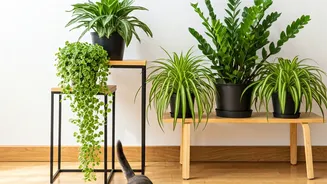
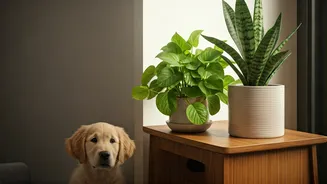
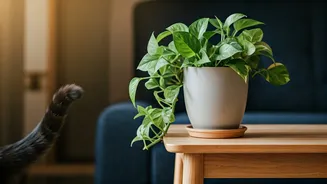
This doesn't mean you have to banish your beloved Pothos. You just have to be smarter about its placement. The simplest rule for cohabitating with plants and pets is to keep the dangerous ones completely out of reach. Think vertically. That long, trailing vine looks even more dramatic when it’s cascading from the top of a tall bookshelf, a high mantelpiece, or the top of a kitchen cabinet. The key is ensuring there are no 'ladders' for your pet to use. A curious cat can easily use a nearby chair or the shelves of a bookcase to climb. Your goal is to create an island of greenery that is physically inaccessible. Make sure trailing vines don't grow long enough to dangle into paws’ reach.
Safe Styling Solution: Hang It Up
Hanging planters are your best friend. A Pothos suspended from the ceiling in a stylish macrame hanger or a modern ceramic pot is the epitome of chic, modern decor. More importantly, it’s a fortress. As long as the planter is hung high enough and away from furniture your pet can scale, it's one of the most foolproof ways to display toxic plants. This method also provides excellent light and air circulation for the plant, encouraging lush, healthy growth. Just remember to check the length of the vines regularly and trim them back before they become a tempting, swinging toy for a bored cat.
Worry-Free Alternatives with the Same Vibe
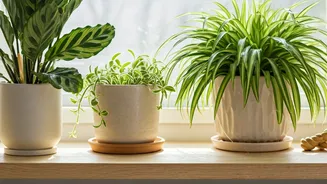
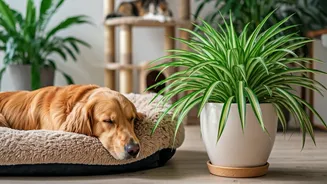
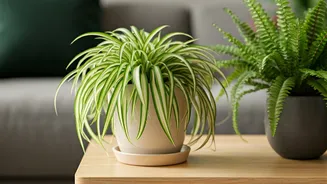
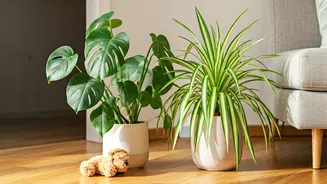
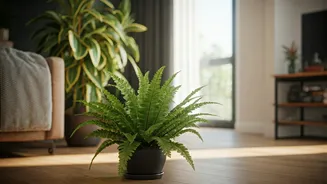
If the risk feels too great, or if you have a particularly acrobatic pet, you might choose to avoid Pothos altogether. The good news is that there are plenty of stunning, pet-safe plants that can give you a similar aesthetic. The Spider Plant (Chlorophytum comosum) is a classic for a reason, offering a fountain of striped leaves and sending out 'pups' on long stems. Many species of Peperomia, like the trailing Peperomia 'Hope', offer a vining look with charming, coin-shaped leaves. For a lush, jungle feel, a Boston Fern (Nephrolepis exaltata) is a fantastic, non-toxic choice. These plants allow you to fill your home with greenery without the constant worry, giving both you and your furry companions peace of mind.