




First, What ‘Cooling’ Really Means
Before you start adding ice cubes to everything, it's important to understand the concept. In this context, “cooling” isn’t about the physical temperature of the food. It’s rooted in Ayurveda, India's ancient system of medicine and wellness. According
to Ayurvedic principles, foods have inherent properties that can either increase or decrease the body's internal metabolic heat, known as 'pitta.' Especially during hot summer months, pitta can become aggravated, leading to feelings of irritability, inflammation, or acid indigestion. Cooling foods are those believed to pacify pitta, bringing a sense of balance and calm from the inside out. It's a holistic approach to managing your body’s response to external heat.
Yogurt Lassis and Chaas
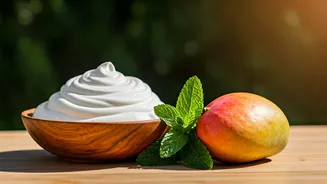
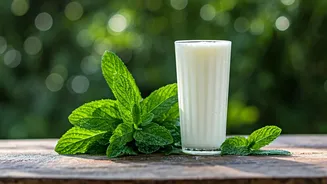
This is likely the most famous cooling drink to come from India. A lassi is a yogurt-based smoothie, often blended with fruit like mango for a sweet treat, or with salt and spices for a savory version (namkeen lassi). Even more potent is its cousin, chaas (or buttermilk), a thinner, saltier, and often spiced drink made from yogurt and water. Yogurt is a cornerstone of cooling diets because it's hydrating and packed with probiotics that aid digestion—a key focus of pacifying pitta. Recipe creators online are now deconstructing lassis into smoothie bowls and frozen pops, showcasing the versatility of this age-old remedy for a modern, Instagram-friendly audience.
Cucumber, Mint, and Cilantro
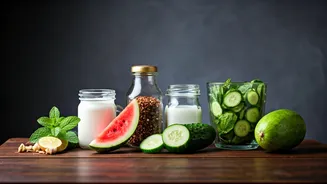
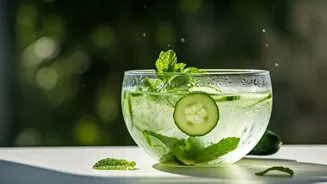
These green hydration heroes are everywhere for a reason. Cucumber, which is over 95% water, is the ultimate cooling vegetable. Mint has a naturally refreshing effect, both in taste and in its traditional Ayurvedic properties. Cilantro, too, is praised for its ability to help cool the body. You’re seeing them combined in everything from simple salads to infused waters and, most iconically, in raita. A simple raita—whisked yogurt with grated cucumber, chopped mint, and a pinch of roasted cumin—is a staple on Indian tables for its ability to instantly soothe the palate and counteract the heat of spicy dishes.
Sabja Seeds and Coconut
If you’ve seen a beautiful, layered drink with tiny, gelatinous black seeds, you’ve probably met sabja (sweet basil) seeds. Not to be confused with chia, sabja seeds plump up almost instantly in water, creating a delightfully soft texture. They are renowned in India for their cooling properties and are often added to drinks like nimbu pani (Indian lemonade), falooda (a rose-flavored dessert), and coconut water. Speaking of which, coconut, in all its forms—water, milk, or tender flesh—is considered exceptionally cooling and hydrating, making it a perfect base for these trendy, photogenic summer beverages.
Water-Rich Melons and Gourds
It’s no surprise that high-water-content fruits are on the list. Watermelon, with its electrolytes and extreme juiciness, is a beloved summer cooler across the globe, and it fits perfectly within Ayurvedic tradition. But the principle also extends to vegetables. Gourds like lauki (bottle gourd) and zucchini are prized for their hydrating and easily digestible nature. While a lauki curry might not be the first thing that comes to mind for an American audience, simple preparations like steamed gourd with mild spices or even spiralized gourd “noodles” are modern, accessible ways to tap into this cooling food group.
Tamarind and Kokum
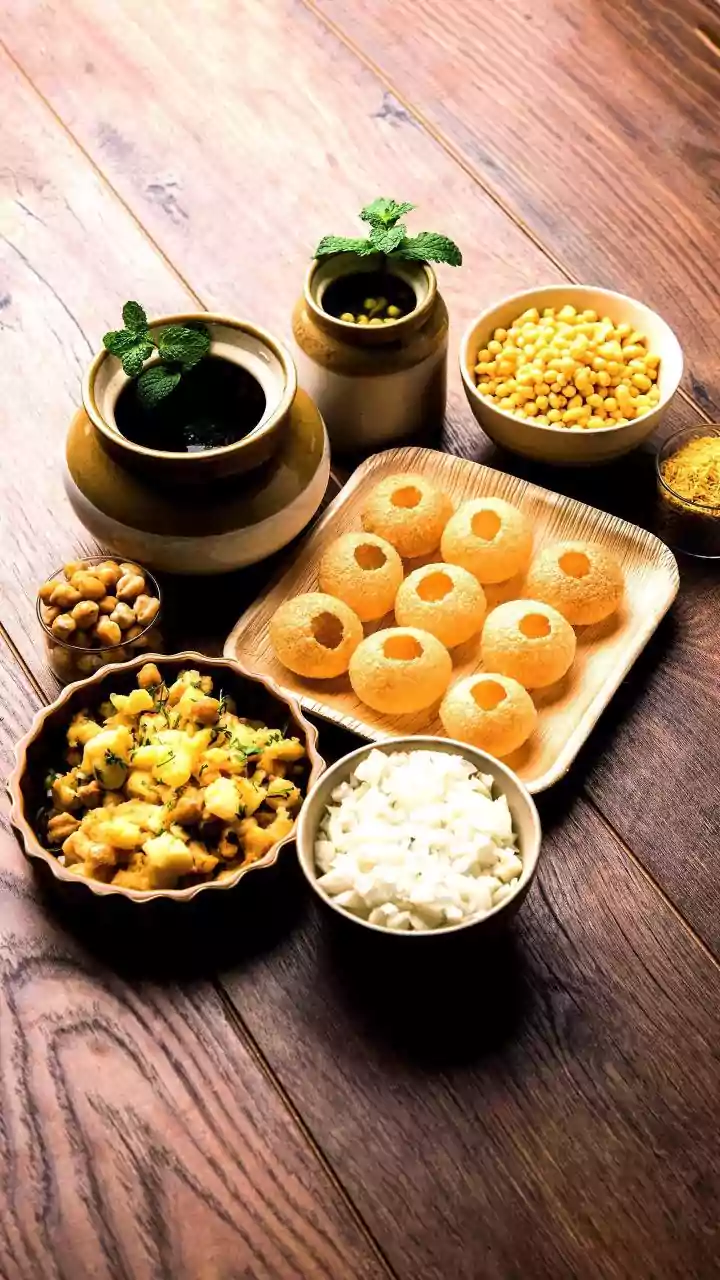
Thinking beyond the usual suspects, tangy ingredients like tamarind and kokum (a fruit from the mangosteen family) are also used to create cooling drinks in coastal and southern India. Both have a unique sour flavor and are known to aid digestion and provide relief from the heat. A simple kokum sharbat, a jewel-toned red drink made from kokum syrup, water, and sugar, is a regional specialty that’s starting to get attention from global foodies. These ingredients show that “cooling” doesn’t have to mean bland; it can be complex, tangy, and deeply delicious.