




Normandy, France: A Shore of Sacrifice
The beaches of Normandy are beautiful, with wide-open sands and windswept dunes. But no one comes here just for a tan. This is hallowed ground. Stretches of coastline code-named Omaha, Utah, Gold, Juno, and Sword were the sites of the D-Day landings on June
6, 1944. To walk these sands is to engage directly with one of the most pivotal moments of the 20th century. The story here is one of immense courage, staggering loss, and the fight for freedom. Visiting the nearby cemeteries, memorials, and remaining German bunkers transforms a simple walk on the beach into a profound and humbling historical pilgrimage. It’s a place that reminds you that some shores are more than landscapes; they are living monuments.
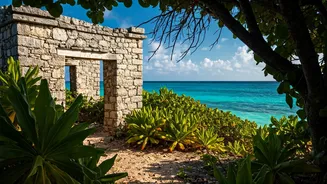
Tulum, Mexico: Ruins by the Sea
Long before it was a wellness hotspot, the coast of Tulum was a strategic port for the Mayan civilization. Perched on a dramatic cliff overlooking the Caribbean, the walled city’s ruins tell a story of ancient commerce, astronomy, and worship. The most iconic structure, El Castillo, served as a watchtower and lighthouse, guiding canoes through the treacherous reef. Today, you can explore stone temples dedicated to ancient gods and then cool off in the same turquoise waters the Maya once navigated. It’s a rare place where you can swim in the shadow of a pre-Columbian archaeological site, feeling the powerful convergence of human history and natural beauty.
Reynisfjara, Iceland: A Beach of Myth and Legend
Forget white sand. Reynisfjara Beach, on Iceland’s south coast, offers a different kind of drama with its jet-black volcanic pebbles and towering basalt columns that look like a giant’s staircase. This is a beach forged by fire and ice, and its story is steeped in geology and folklore. Local legends say the Reynisdrangar sea stacks—the jagged spires of rock just offshore—are the petrified remains of two trolls who were caught by the rising sun while trying to drag a ship to shore. The crashing, unpredictable waves of the North Atlantic add to the feeling of raw, elemental power. It’s a beach that doesn’t invite you to relax, but to stand in awe of nature’s brutal artistry and the myths we create to explain it.
Annalong, Northern Ireland: Granite and Grit
On the coast of County Down, where the Mourne Mountains famously sweep down to the sea, the small harbor town of Annalong offers a story of industry and resilience. For decades, this was the heart of the region's granite trade. Men would quarry stone from the mountains, dress it by hand, and ship it from Annalong’s beach and harbor to build cities like Liverpool and London. You can still see remnants of the 'corncrake' railway line used to transport the stone. Walking along the shore, you're treading on the history of generations of stonecutters and sailors whose hard work is literally the foundation of modern Britain. It’s a testament to the human labor hidden within a ruggedly beautiful landscape.
Waianapanapa State Park, Hawaii: Sacred Sands and Legends
On Maui’s winding Road to Hana lies Pa’iloa Beach at Waianapanapa State Park, a striking black sand beach that holds deep cultural significance. The name Waianapanapa means “glistening water,” but the stories here run deeper. The beach is part of a landscape rich with Hawaiian history and legend, including tales of the ill-fated princess Popo’alaea, who hid from her cruel husband in a lava tube cave that opens to the water. The park is a sacred place, woven into the fabric of native Hawaiian identity. Visiting isn’t just about snapping a photo of the contrast between black sand, green jungle, and blue ocean; it's about respecting a place that is alive with ancestral stories and spiritual importance.