

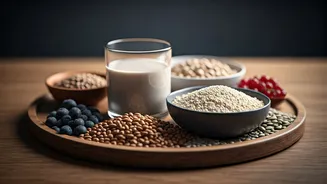
The Meal as Medicine
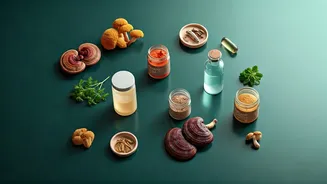
The first new job for your food is to be your personal pharmacist. Welcome to the age of 'functional foods'—ingredients prized not just for their basic nutritional value, but for their ability to deliver specific health benefits. It’s no longer enough
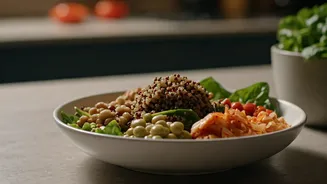
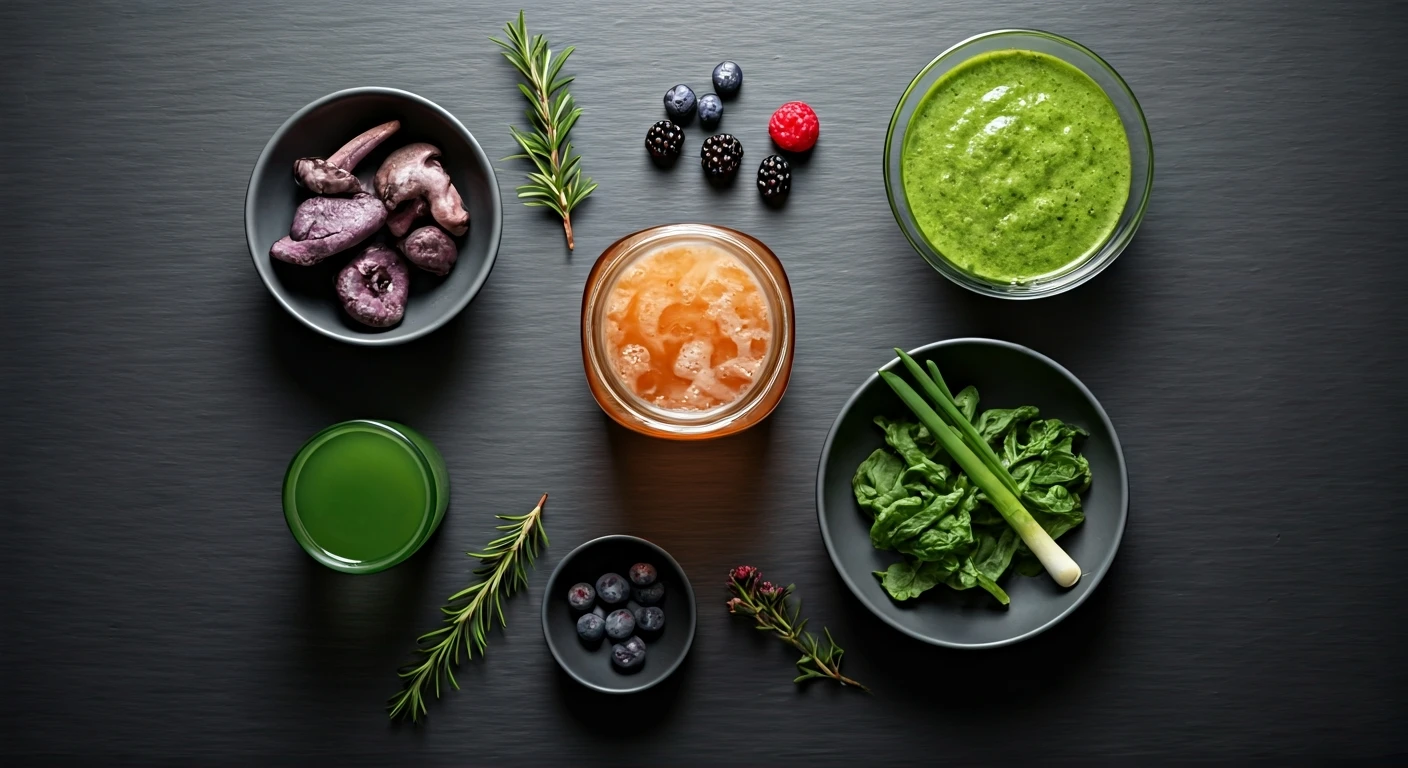
for an orange to have vitamin C; your yogurt needs to be packed with probiotics for gut health, your coffee infused with mushrooms for mental clarity, and your smoothie bowl blended with adaptogens to combat stress. We’re not just eating to feel full; we’re eating to boost immunity, sharpen focus, reduce inflammation, and optimize our biology. This shift has turned grocery aisles into a kind of alternative pharmacy, with packaging that screams 'antioxidants,' 'anti-inflammatory,' and 'gut-friendly.' The idea isn't new—'let food be thy medicine' is an ancient concept—but its mainstream commercialization has fundamentally changed how we evaluate what's on our fork. A meal’s success is now often measured by how well it performs a biological task.
The Meal as Moral Compass
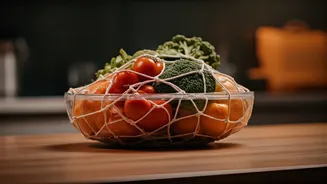
What you eat has become a public declaration of your values. The journey of your food from farm to table is now as important as its flavor profile. Diners are asking tough questions: Is this sustainably sourced? Was it grown locally? Is the packaging compostable? Are the animals treated humanely? A simple chicken sandwich is no longer just a sandwich; it’s a reflection of your stance on industrial agriculture, climate change, and labor practices. Brands know this, which is why terms like 'regenerative,' 'pasture-raised,' 'fair trade,' and 'carbon-neutral' have become powerful marketing tools. Choosing the oat milk latte over the dairy version isn't just a dietary preference; for many, it’s a small, daily act of environmentalism. This ethical calculus adds a layer of mental and emotional labor to every food decision. A tasty meal that fails this moral audit can leave a bitter aftertaste, regardless of how good it was.
The Meal as Social Currency
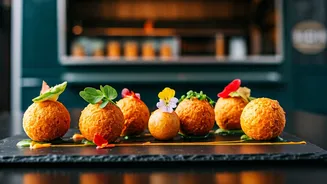
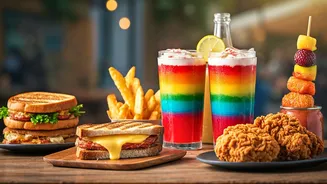
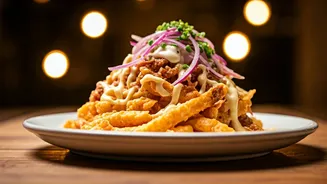
If a meal is eaten but not posted on Instagram, did it even happen? In the digital age, food has a third, crucial job: it must be photogenic. We're living in a world where 'camera eats first' is a common ritual. The visual appeal of a dish—its color, composition, and 'gram-worthiness'—can be as critical as its taste. This has influenced everything from restaurant plating to home cooking. We’re drawn to vibrant turmeric lattes, perfectly swirled smoothie bowls, and artfully arranged charcuterie boards because they perform well on social media. They are content. This pressure creates a feedback loop: food creators and restaurants design dishes that will look good on a screen, and consumers, in turn, seek out these visually appealing experiences to share with their own followers. The meal is no longer just a personal pleasure; it's a shareable asset, a piece of social currency that communicates taste, status, and an enviable lifestyle.
The Meal as a Personal Algorithm
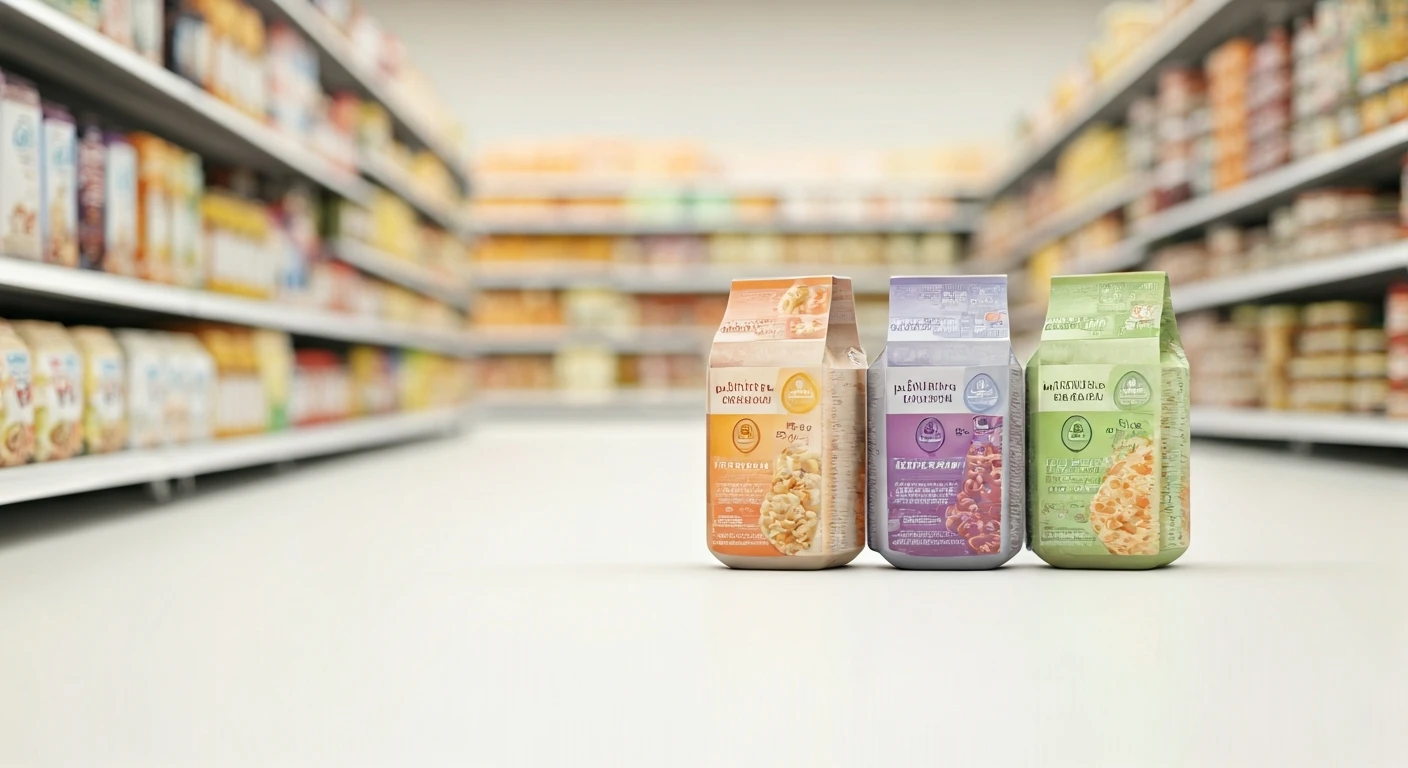
The one-size-fits-all food pyramid is a relic. Today, the ideal meal must conform to an individual’s highly specific dietary code. Whether it’s keto, paleo, vegan, gluten-free, or a plan based on a DNA test, we expect our food to align with our unique 'protocol.' This hyper-personalization means that a meal isn't just 'healthy' in a general sense; it must be 'healthy for me.' This trend is fueled by a desire for control and optimization, as well as a growing distrust of broad, institutional dietary advice. Food has become a key tool for bio-hacking our way to a better self. The result is a fragmented food culture where a dinner party can involve catering to four different, mutually exclusive dietary restrictions. A meal’s success, then, is judged by its compliance with a personal, and often rigid, set of rules.