


The Slow Creep of Chaos
Plants are programmed to do one thing above all else: grow. In the wild, this rampant growth is checked by weather, animals, and competition. In your living room or backyard, without these natural pressures, a plant will grow unchecked. At first, this seems
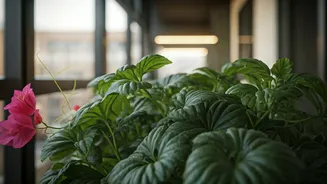
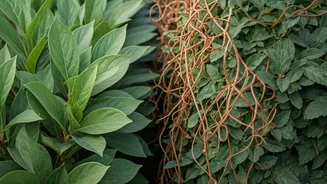
great—look how much it loves its new home! But this uncontrolled growth is the root of the problem. A plant that puts all its energy into creating long, weak stems and excessive foliage is a plant that's secretly struggling. It’s creating a dense canopy that blocks light from its own lower leaves, leading them to yellow and drop. The thick growth restricts airflow, creating a humid, stagnant environment that becomes a breeding ground for fungal diseases and pests like spider mites and mealybugs. What was once a vibrant specimen becomes a tangled, top-heavy, and unhealthy mess.
Fewer Flowers, Weaker Stems
Forgetting to prune isn't just an aesthetic issue; it directly impacts the plant's performance. For flowering plants like hydrangeas, roses, or even indoor orchids, pruning is essential for signaling the plant to produce buds. An unpruned shrub will often pour its energy into maintaining old, woody growth and a glut of leaves, resulting in a disappointing lack of blooms. Similarly, for fruit-bearing plants, from tomato vines to apple trees, pruning is non-negotiable. It thins the plant to allow sunlight to reach ripening fruit, increases air circulation to prevent rot, and encourages the growth of new wood, which is often where the next season's fruit will form. When you skip this step, you get leggy, weak stems that can't support their own weight, a diminished harvest, and a plant that is structurally unsound and more susceptible to breaking in wind or under its own weight.
Pruning as a Conversation
Many new plant owners fear pruning. It feels destructive, like you're hurting the plant you've worked so hard to grow. It's time to reframe that thinking. Pruning isn't an attack; it's a conversation. With each cut, you are guiding the plant's energy and directing its future growth. You are telling it, “Don’t waste your resources on this weak branch; send that energy to create beautiful flowers over here.” Or, “This dead limb is a liability; let’s get rid of it so you can heal and prevent disease.” This process makes you a better, more observant gardener. You start to notice the plant's structure, identify where new growth is emerging, and understand its natural shape. It transforms you from a passive waterer into an active partner in your plant’s health.
Your First, Fearless Cut
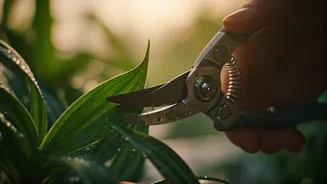
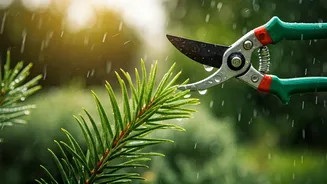
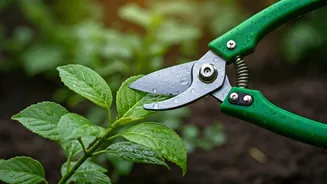
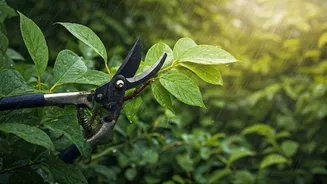
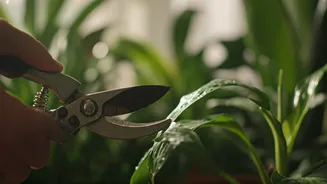
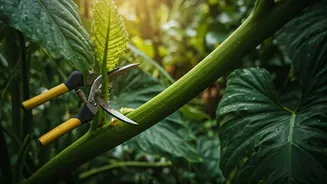
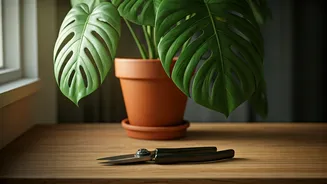
The prospect of shaping a whole plant can be intimidating, so don't start there. The easiest and most impactful place to begin is with what horticulturists call maintenance pruning. You can do this any time of year on almost any plant. Your only goal is to remove the “three D’s”: anything that is Dead, Damaged, or Diseased. Grab a pair of clean, sharp shears (cleaning them with rubbing alcohol prevents spreading disease) and take a close look. See a branch that's brown, brittle, and leafless? Snip it off at the point where it meets a healthy stem. Find a leaf that’s yellow, spotted, or covered in mildew? Remove it. Is there a branch that was broken in a storm or bent by accident? Cut it back to a healthy junction. This simple act alone will immediately improve your plant's appearance, health, and airflow, without any risk of you “doing it wrong.”
When and How to Do More
Once you're comfortable with the three D's, you can move on to more strategic pruning. While the specifics vary by plant, a great rule of thumb is to prune for shape in late winter or early spring, before the plant flushes with new growth. This is when the plant is dormant, and its structure is easy to see. For spring-flowering shrubs like lilacs or forsythia, wait until just after they finish blooming; pruning them in winter would mean cutting off all the flower buds. The goal is always to maintain the plant's natural shape, remove crossing branches that rub against each other, and thin out the center to let light and air in. Don't be afraid to consult a quick online guide for your specific plant, but remember the core principles are always the same: you're trying to help, not harm.