




An Ancient Tradition, Rediscovered
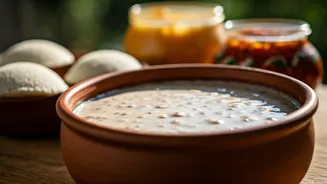
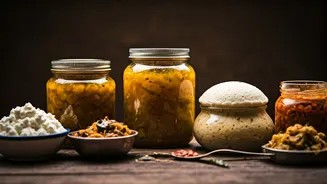
For most Americans, Indian food might conjure images of naan bread and chicken tikka masala. But fermentation has been a cornerstone of Indian cuisine for millennia, long before kombucha became a grocery store staple in the U.S. Think of the fluffy, steamed
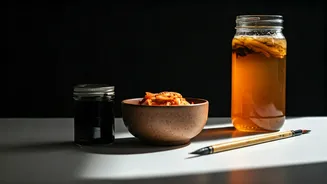
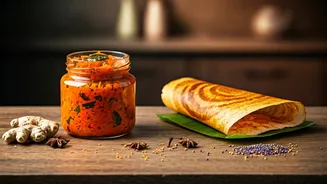
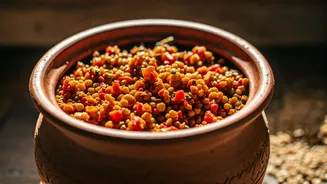
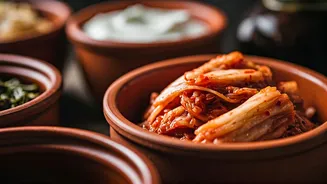
idli cakes and crispy dosa crepes of South India, which get their signature tang and texture from a fermented rice and lentil batter. Or consider dhokla, a savory steamed cake from Gujarat made with fermented chickpea flour. Beyond the plate, drinks like kanji—a tart, probiotic beverage made from black carrots and beetroot, seasoned with mustard seeds—have been winter staples in North Indian homes for generations. For centuries, these foods weren't part of a 'wellness trend'; they were simply a delicious and practical way to preserve food, enhance flavor, and aid digestion. This deep, existing culinary history is the bedrock upon which the new trend is built.
The New Probiotic Players Arrive
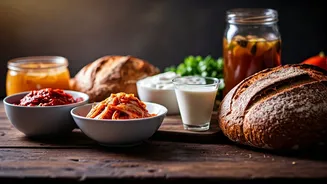
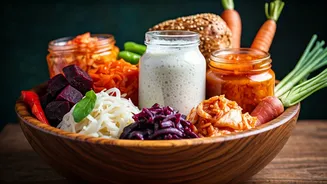
While traditional fermented foods have always been there, the current buzz is fueled by the arrival of their global counterparts. Walk into a high-end grocery store in Mumbai or Bangalore, and you'll find shelves stocked with artisanal sourdough bread, locally brewed kombucha in tropical flavors like hibiscus and jamun (Java plum), and small-batch milk and water kefir. These products, familiar to any wellness-minded Westerner, are being embraced by a new generation of urban Indians. This group is globally connected, digitally savvy, and highly conscious of health trends. They follow international influencers, read about the benefits of a healthy gut microbiome, and are willing to spend on premium products that align with their lifestyle goals. The global wellness movement has provided a new language—probiotics, gut health, live cultures—to describe the benefits that were once just an implicit part of traditional food wisdom.
Why Now? The Millennial Remix
So, what's driving this convergence of old and new? Several factors are at play. The COVID-19 pandemic dramatically heightened health awareness across India, with a huge focus on immunity. This led many to look for natural, food-based ways to boost their well-being, and fermented foods fit the bill perfectly. Simultaneously, there's a growing sense of cultural pride among younger, urban Indians. They are looking to reconnect with their roots, but on their own terms. Reviving a grandmother’s kanji recipe and sharing it on Instagram is a way to celebrate heritage in a modern, cool context. Finally, a boom in direct-to-consumer (D2C) startups has made these foods more accessible than ever. Entrepreneurs are taking traditional recipes, giving them slick branding, ensuring quality control, and delivering them directly to people's doorsteps. This bridges the gap between a time-consuming home practice and the convenience demanded by modern life.
From Kitchen Staple to Commercial Star
The commercialization of this trend is where the story gets really interesting. It’s not just about selling kombucha to yogis. It’s about startups bottling and branding drinks like kanji and shikanji (a spiced lemonade, sometimes fermented) for a national audience. These companies are betting that the appeal of familiar flavors combined with the promise of probiotic benefits is a winning formula. They are turning regional, seasonal, homemade products into year-round, shelf-stable consumer goods. For example, a drink that was once only made during a specific two-month window when black carrots were in season can now be enjoyed anytime. This shift from the home kitchen to the gourmet store shelf marks a significant change in how a culture consumes its own traditions, transforming folk wisdom into a marketable wellness asset.