



From Stereotype to Stardom
For decades in the U.S. and Europe, 'Indian food' was often a monolithic concept: a predictable menu of chicken tikka masala, naan bread, and saag paneer served in settings that felt more dated than distinguished. While delicious, this narrow vision,
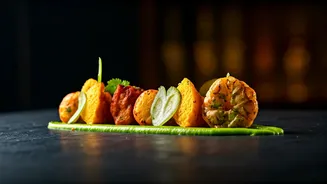
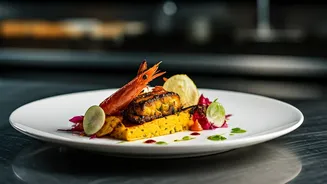
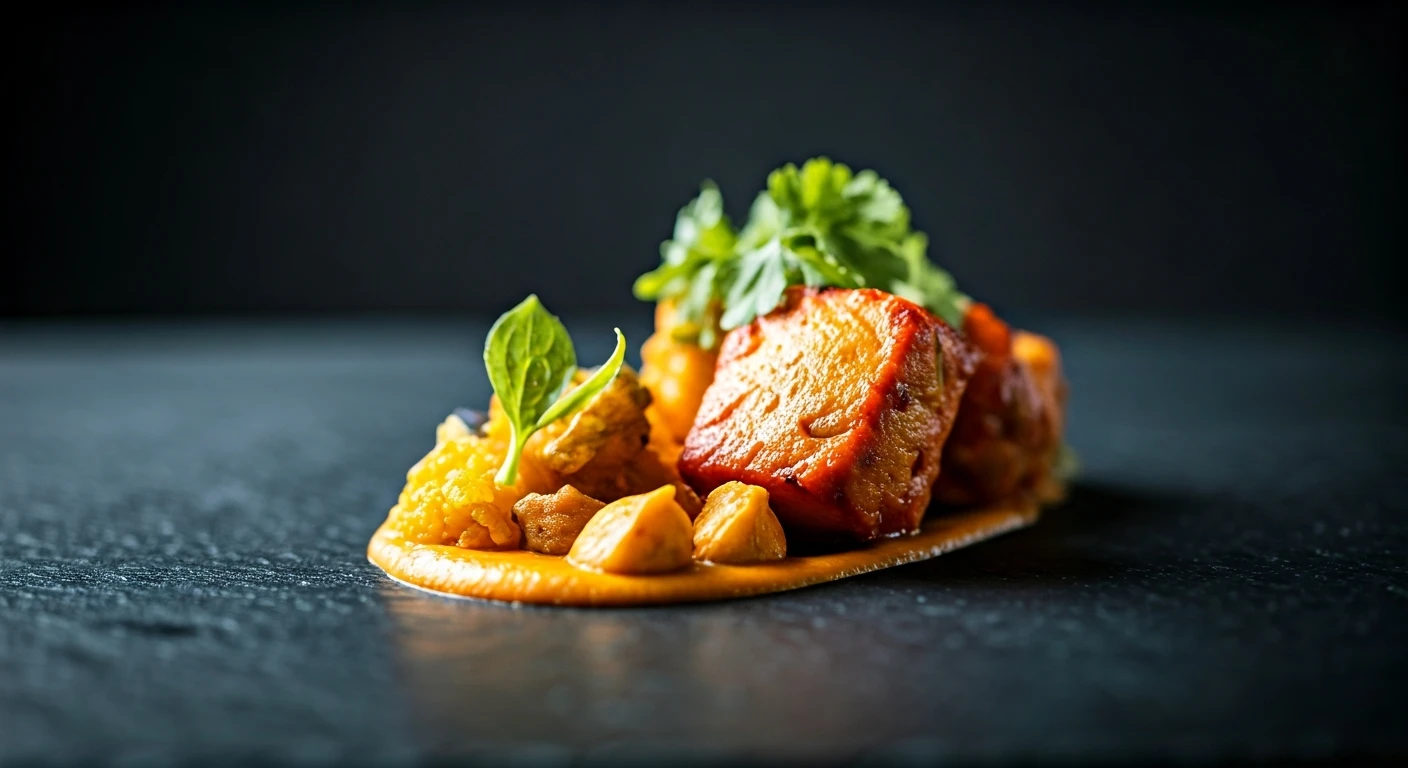
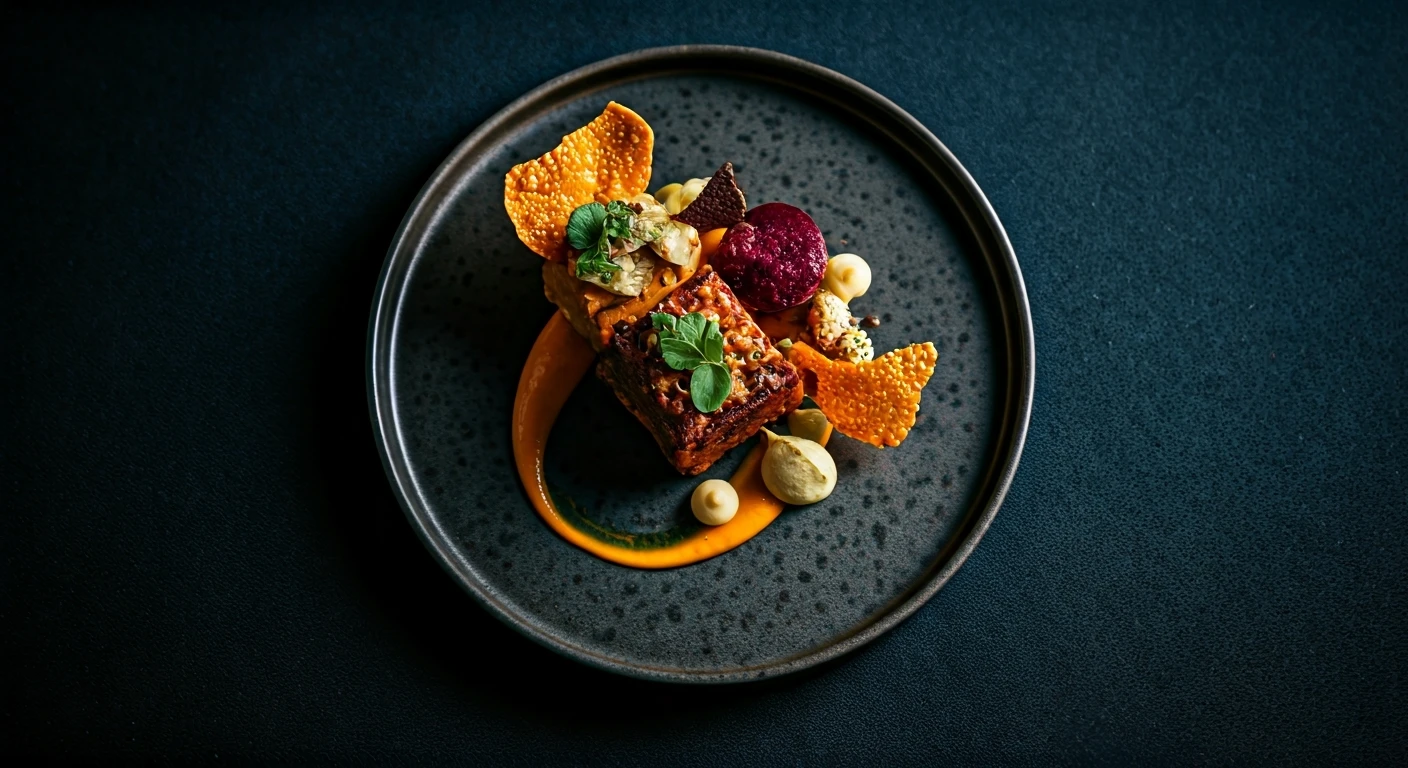
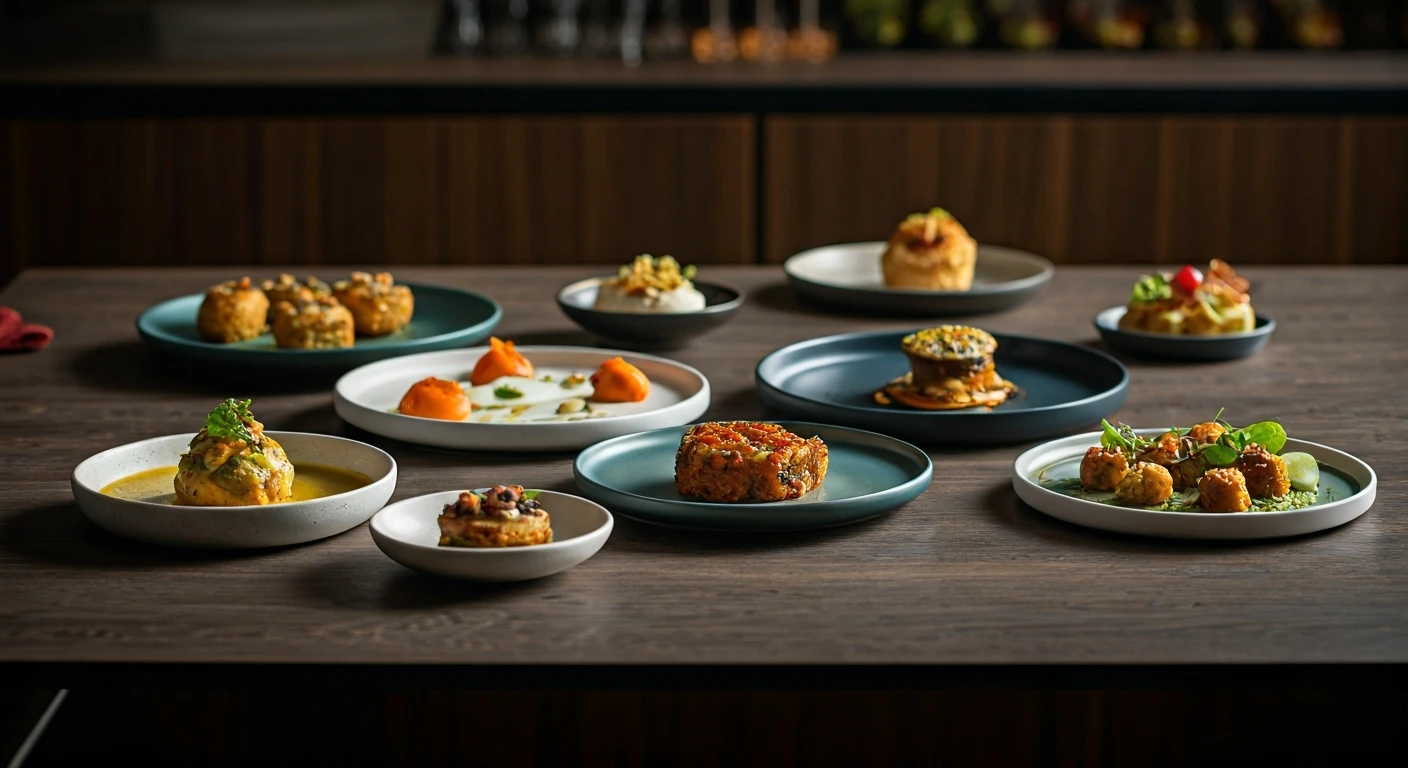
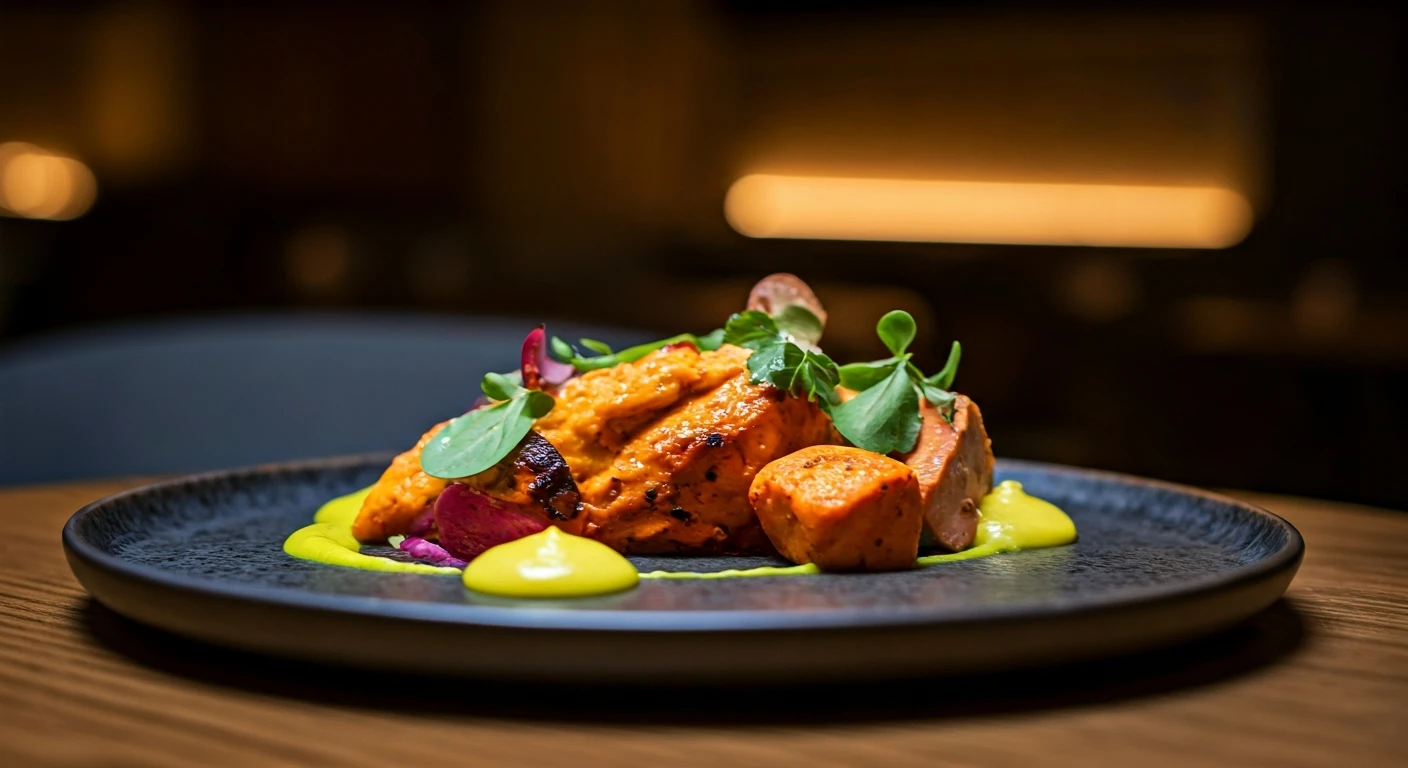
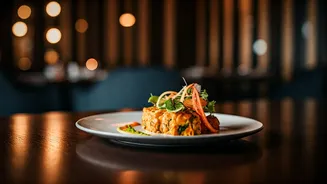
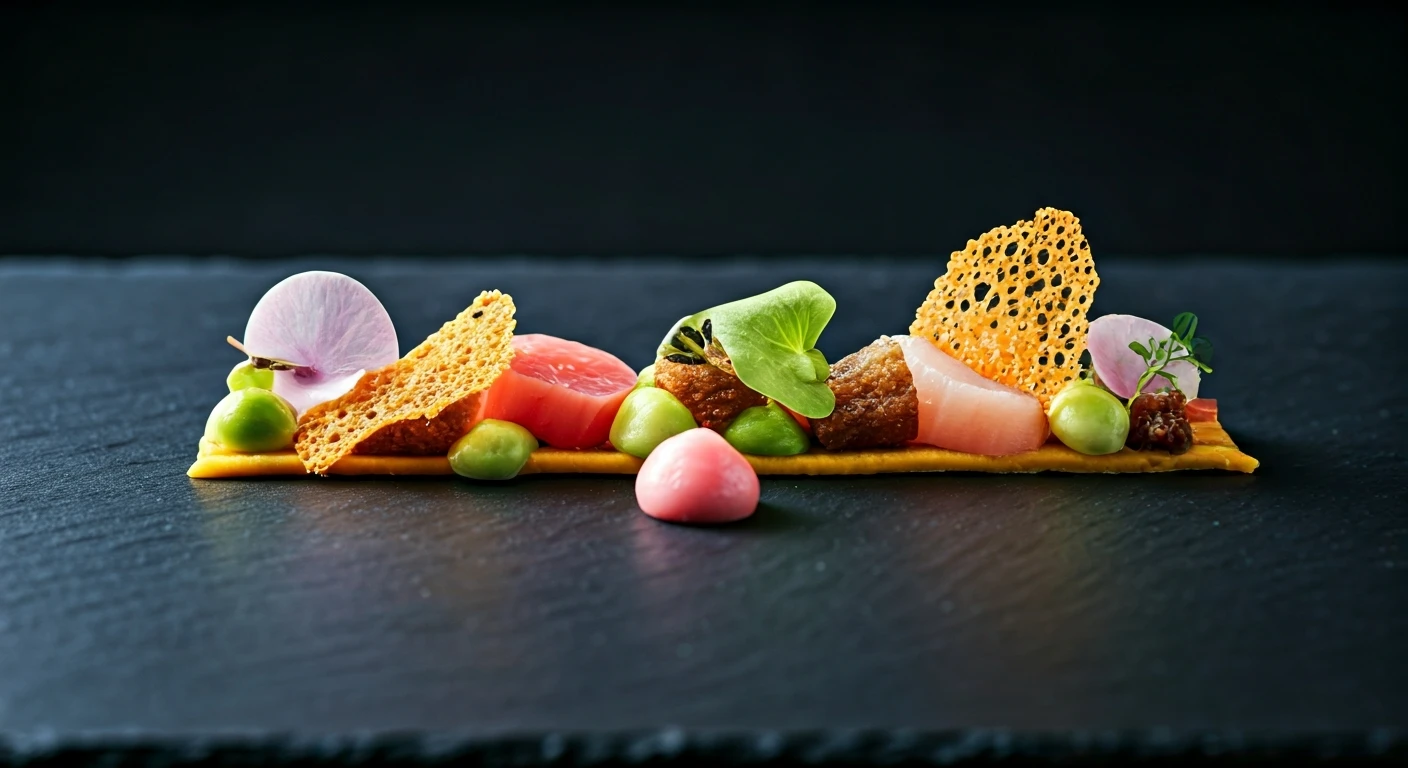
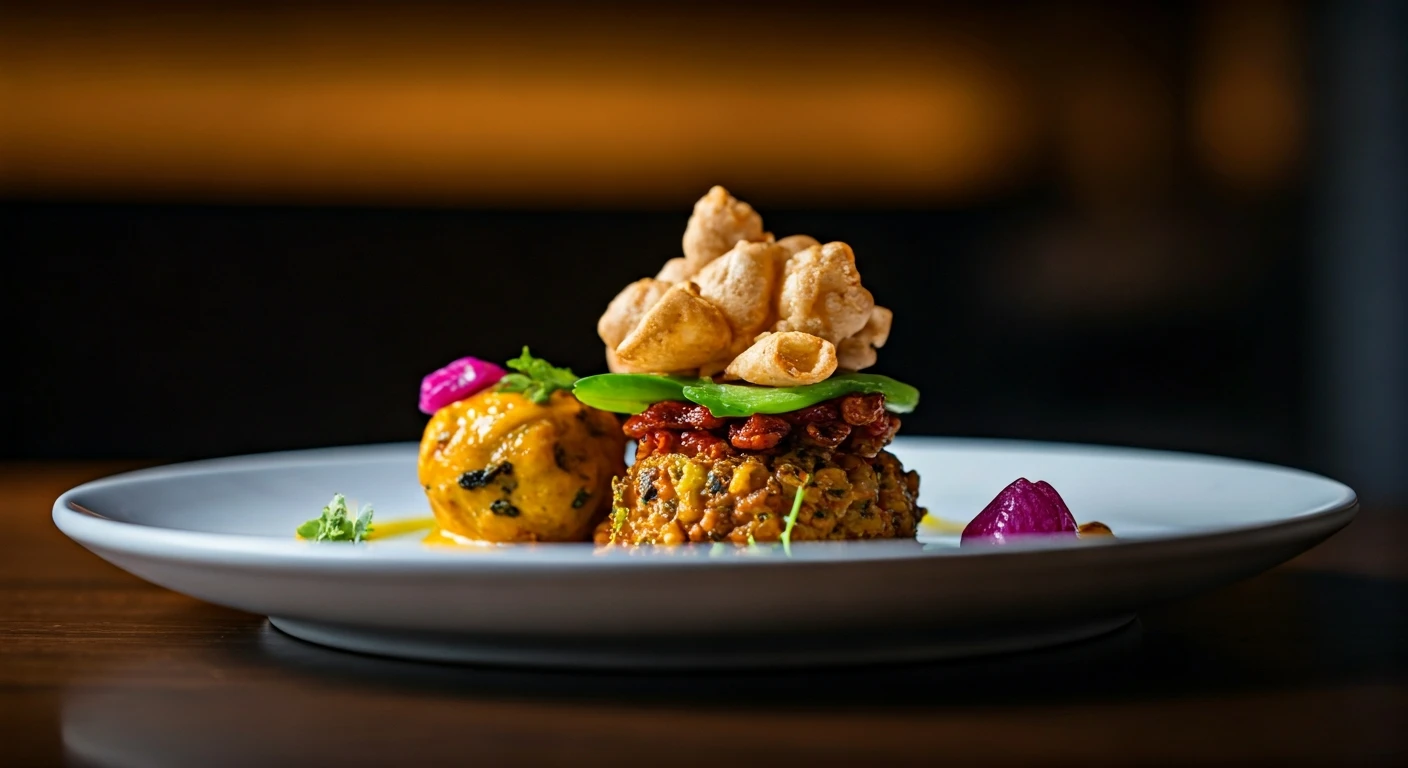
largely born from the British colonial palate and Punjabi diaspora cooking, barely scratched the surface of a subcontinent with culinary diversity rivaling that of entire continents. But a seismic shift is underway. The 'glow-up' isn't just about better lighting or fancier tablecloths; it's a fundamental reassertion of culinary identity. Indian-led restaurants are finally being recognized not just for comfort food, but for innovation, artistry, and fine-dining excellence. Chefs are digging deep into their own family histories and regional specialities, presenting dishes that tell a story—and critics and diners are eating it up.
The Chefs Reclaiming the Narrative
This revolution is being led by chefs who are unapologetically themselves. In New York City, Chintan Pandya and his Unapologetic Foods group became culinary sensations with restaurants like Dhamaka, which focuses on the provincial, 'forgotten' side of Indian food with a punk-rock energy. There are no fusion crutches or watered-down spice levels here. Across the Atlantic in London, Asma Khan of Darjeeling Express, famed from Netflix's 'Chef's Table,' built her empire on the home-style cooking of an all-female kitchen staff, serving royal Rajput and Bengali recipes passed down through generations. And in Bangkok, chef Gaggan Anand famously deconstructed Indian classics with modernist techniques, earning two Michelin stars and a spot atop the 'World's 50 Best Restaurants' list multiple times. These chefs are not just cooks; they are cultural ambassadors dismantling stereotypes one plate at a time.
A Truly Global Movement
While New York and London are epicenters, this movement is a worldwide phenomenon. In the San Francisco Bay Area, restaurants like Ettan and ROOH have earned Michelin recognition for their Cal-Indian approach, blending local produce with progressive Indian flavors. In Dubai, a global crossroads, chefs like Himanshu Saini at Trésind Studio are pushing the boundaries with elaborate tasting menus that are as theatrical as they are delicious. From Toronto to Singapore, a new guard of Indian chefs is confident in the value of their heritage. They are opening wine bars with Indian small plates, casual cafes celebrating regional street food, and tasting-menu temples that command top dollar. They are proving that Indian cuisine can be rustic, elegant, avant-garde, and deeply personal—often all at the same time.
Why Now? The Perfect Storm
Several factors are fueling this global glow-up. First, there's the rise of the second- and third-generation diaspora. These chefs, who grew up between two cultures, are fluent in both Western culinary techniques and the nuances of their own heritage cooking, allowing them to innovate with confidence. Second, social media has given diners a visual appetite for authenticity and regionality. A perfectly-plated Kandhari-style lamb chop from a remote Indian village can now go viral on Instagram, creating demand for flavors beyond the mainstream. Finally, diners themselves have evolved. The American palate, once timid, is now more adventurous than ever, seeking out bold spices, complex flavors, and the compelling stories behind the food. This isn't a fleeting trend; it's the result of a cultural confidence that has been simmering for years and has finally boiled over.