




The World's Rain Capital
For generations, Cherrapunji held the title of the wettest place on Earth, a badge of honor it now shares with its nearby neighbor, Mawsynram. Located in India's northeastern state of Meghalaya, which translates to "Abode of the Clouds," the region is
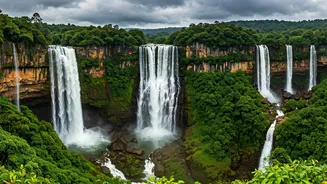
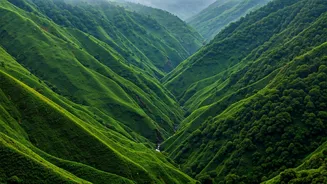
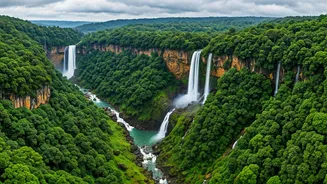
a perfect storm of geography and meteorology. During the monsoon season, typically from May to September, moisture-laden winds from the Bay of Bengal travel unimpeded across the plains of Bangladesh. When they hit the steep, south-facing cliffs of the Khasi Hills, they are forced to ascend rapidly. This sudden lift causes the moisture to cool and condense, unleashing staggering amounts of rainfall. We're not talking about a few inches; we're talking about an average of over 450 inches annually—more rain than many American cities see in a decade. This relentless deluge is the engine that powers the region's most spectacular attraction: its waterfalls.
Nohkalikai: A Waterfall Born of Legend
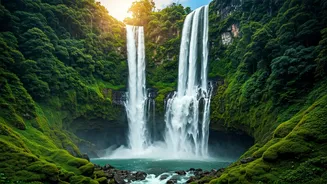
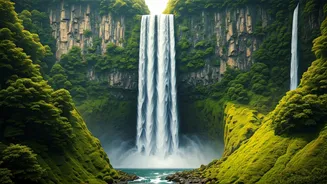
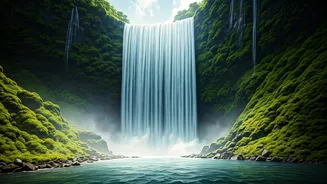
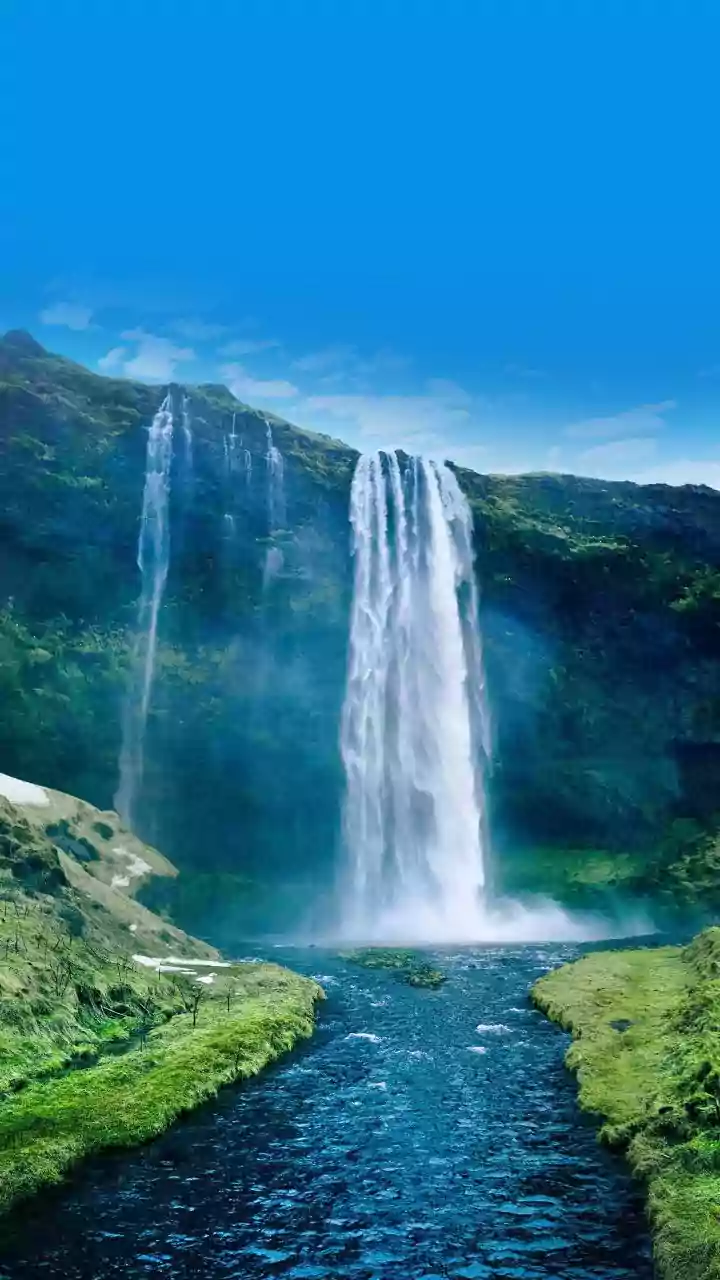
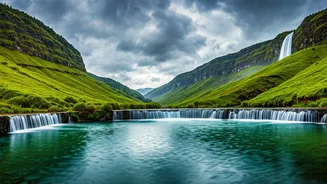
Of all the waterfalls in Cherrapunji, Nohkalikai is the most iconic. It is India's tallest plunge waterfall, dropping an astonishing 1,115 feet in a single, uninterrupted stream from a verdant plateau into a turquoise pool below. Its name, which means "Jump of Ka Likai" in the Khasi language, is tied to a tragic local folktale about a woman who leaped from the cliff after a horrific family tragedy. The story adds a layer of haunting beauty to the falls' raw power. During the peak of the monsoon, Nohkalikai is a force of nature, roaring with a volume that feels primal. In the drier months, it becomes a slender, elegant ribbon of water, but it's the monsoon that reveals its true, thunderous character. The mist rising from the plunge pool often creates a permanent cloud at its base, shrouding the bottom in mystery.
The Seven Sisters Spectacle
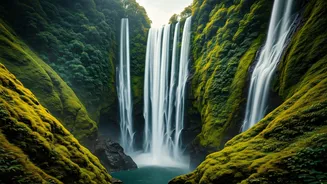
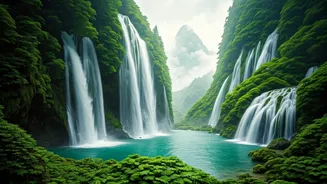
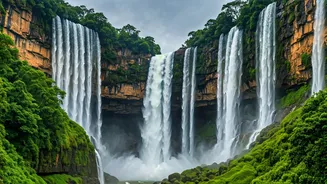
If Nohkalikai represents singular, dramatic power, the Nohsngithiang Falls showcase collective grandeur. Better known as the Seven Sisters Falls, this natural wonder is not one waterfall but a series of seven that cascade side-by-side over the limestone cliffs of the Khasi Hills. Spanning over 2,300 feet in width, it’s one of the widest waterfalls in India. The effect is mesmerizing—a vast curtain of water that glows golden when the late afternoon sun breaks through the clouds. Each of the seven streams has its own character, some wider and more powerful, others thinner and more graceful. They only flow during the monsoon, making them a truly seasonal spectacle. For visitors, the sight of the Seven Sisters in full flow is the ultimate reward for braving the rains; it’s a living, moving landscape that feels both immense and ephemeral.
Where Bridges Are Grown, Not Built
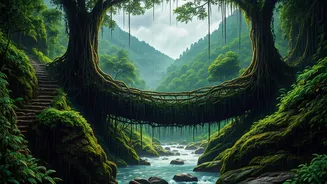
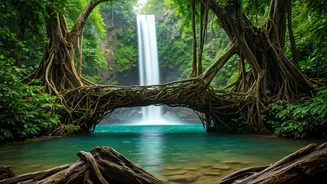
The genius of Cherrapunji isn't just in its natural wonders, but in how its people have adapted to them. In a place where a wooden or bamboo bridge would quickly rot away, the Khasi and Jaintia peoples developed a breathtaking solution: living root bridges. For centuries, they have guided the aerial roots of the Ficus elastica tree (a type of rubber tree) across rivers and gorges, weaving them together until they form a strong, living structure. These bridges take 15 to 20 years to become functional but can last for centuries, growing stronger over time as the roots thicken. The most famous example, the Umshiang Double-Decker Root Bridge, is a marvel of organic engineering, with two levels of bridges stacked one above the other. These structures are a profound testament to a symbiotic relationship between humans and nature, born from the very same rains that feed the waterfalls.