




More Than Just a Snack
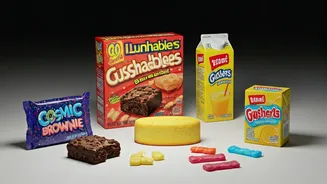
Let’s be honest: no one ever claimed a Lunchable was haute cuisine. The cheese was plasticky, the crackers were just okay, and the turkey was… well, it was turkey. Yet, the sight of that iconic yellow and red tray can trigger a powerful wave of nostalgia.
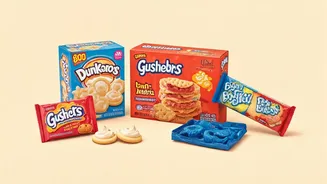
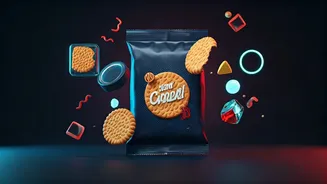
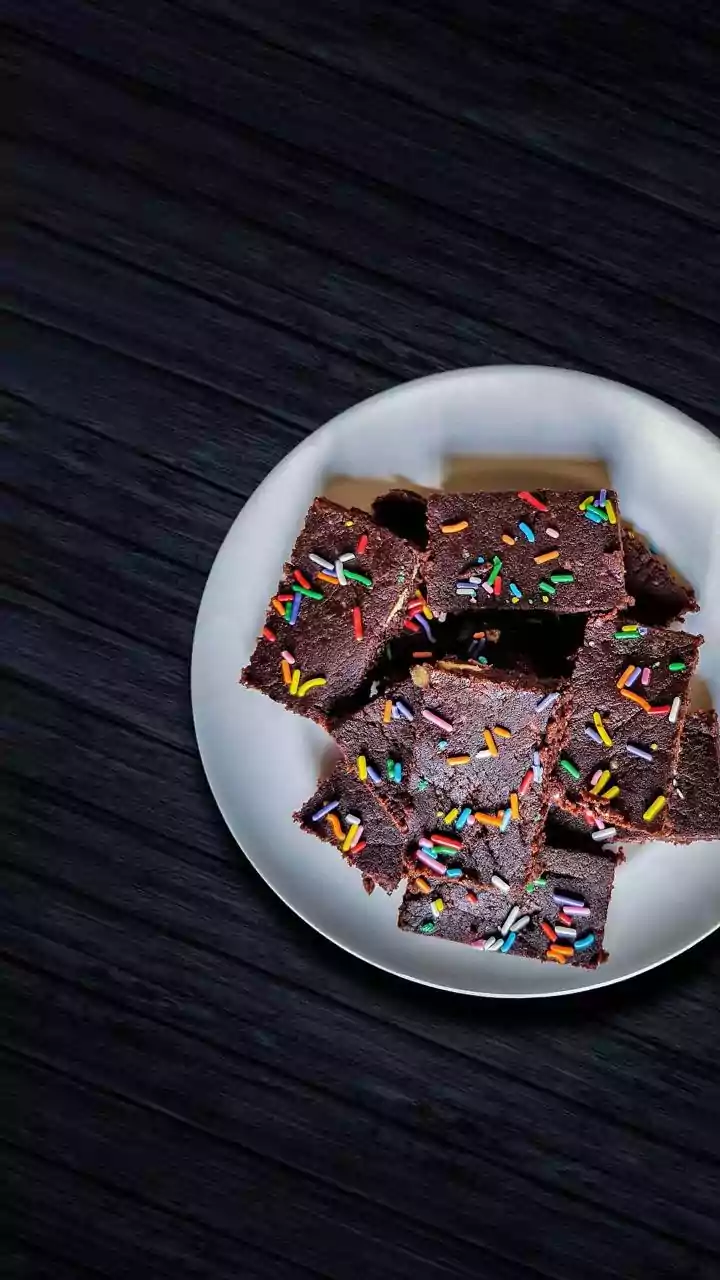
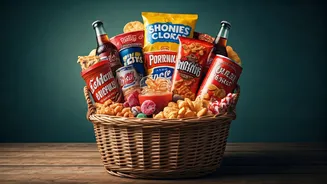
This feeling is at the heart of a massive trend sweeping across TikTok, Instagram, and even grocery store aisles. Foods from the ‘90s and early ‘00s—from Cosmic Brownies and Dunkaroos to Go-GURT and Trix cereal—are no longer just memories. They are becoming a dominant force in modern food culture, driven by a collective yearning for simpler times. This isn’t just a passing fad. It’s a psychological response to a world that feels increasingly complex and uncertain. When faced with economic anxiety, political division, and the relentless pressure of adulting, the appeal of a food with no expectations is immense. A Cosmic Brownie doesn't ask you to appreciate its nuanced flavor profile; it just asks you to enjoy its fudgy texture and crunchy, candy-coated sprinkles. In a culture obsessed with optimization and wellness, these unapologetically simple foods offer a moment of pure, uncomplicated comfort.
The Millennial Nostalgia Engine
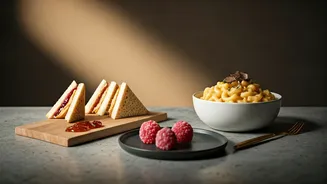
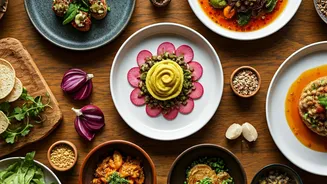
The driving force behind this resurgence is clear: Millennials. The generation that grew up packing these snacks in their lunchboxes now has adult money and adult problems. As they navigate careers, mortgages, and parenthood, they are reaching back to the touchstones of their youth. This isn't just about buying the products; it's about recreating and elevating them. Search for “adult Lunchables” on TikTok and you’ll find millions of videos featuring bento boxes filled not with processed turkey, but with artisanal salami, brie, and gourmet crackers. It’s the same satisfying format, but upgraded for a grown-up palate. This act of reimagining is part memory, part performance. It allows people to connect with a cherished part of their past while showcasing their present-day sophistication. For many Millennial parents, it’s also a way to share a piece of their own childhood with their kids, creating a cross-generational bridge built on sugar and cellophane.
Big Food Is Paying Attention
Food corporations are anything but sentimental, but they are experts at capitalizing on sentimentality. Companies like General Mills and Kraft Heinz have watched this organic trend bubble up on social media and responded with calculated precision. The return of Dunkaroos in 2020 after a long absence wasn’t a coincidence; it was a direct response to years of online petitions and social media campaigns led by nostalgic fans. Similarly, General Mills brought back the classic ‘90s fruit shapes to its Trix cereal after customers lamented their disappearance. These companies understand that nostalgia sells. By re-releasing beloved products, they tap into a pre-existing emotional market. The advertising is practically done for them, as consumers eagerly share photos of their finds with captions like, “Look what I found!” This turns every grocery run into a potential treasure hunt and every purchase into a viral moment waiting to happen. It's a brilliant feedback loop: the audience expresses a desire, the company fulfills it, and the audience provides free marketing in return.
The Algorithm Knows What You Miss
Of course, none of this would reach critical mass without the powerful engine of social media algorithms. Platforms like TikTok and Instagram are designed to identify and amplify content that resonates emotionally. A video of someone’s pure joy at finding a pack of Dunkaroos is highly engaging content. It’s relatable, visually appealing, and prompts comments like, “OMG, I remember those!” The algorithm sees this engagement and pushes the video to more and more users, creating a snowball effect. Soon, what started as one person’s random snack discovery becomes a full-blown trend, inspiring countless others to seek out the same product and create their own content. In this ecosystem, a childhood craving isn’t just a personal feeling; it's a piece of data that can be tracked, amplified, and monetized, turning a collective memory into a tangible, market-moving force.