

An Ancient Grain Family
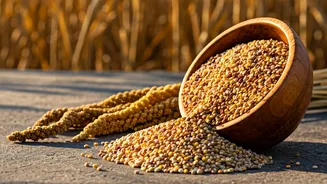
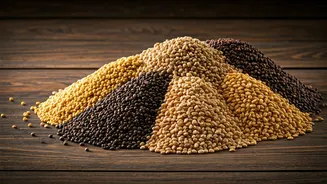
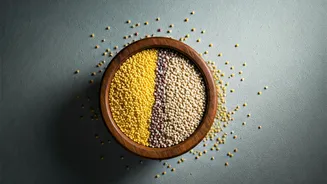
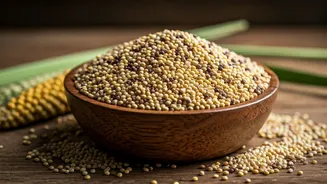
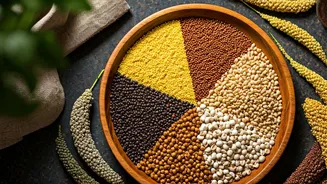
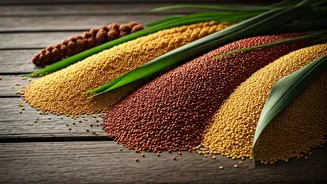
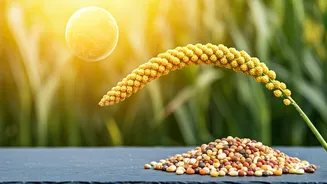
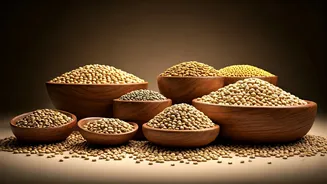
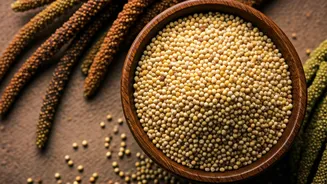
First, let’s clear something up: there’s no single grain called “millet.” It’s a group name for several species of small-seeded grasses that have been cultivated for millennia across Africa and Asia. Think of it like “citrus”—a category that includes
oranges, lemons, and grapefruits. The most common varieties you might encounter in the U.S. are pearl, foxtail, proso, and finger millet. For centuries, these grains were a staple for a huge portion of the world's population, long before wheat and rice became globally dominant. They are deeply embedded in culinary traditions, used to make everything from flatbreads and porridges to fermented beverages. While they may seem new to the American pantry, they are one of the original cornerstones of human agriculture.
The 'Climate-Smart' Superpower
Here’s where millets really shine. The headline-grabbing crops in modern agriculture—corn, wheat, and rice—are incredibly thirsty and often require significant fertilizer and ideal soil conditions. Millets are the tough, resilient cousins that laugh in the face of adversity. They are famously drought-tolerant, capable of growing in arid regions with minimal rainfall where other cereals would fail. Many varieties have a short growing season, allowing farmers to get a harvest even when planting windows are unpredictable. They can thrive in poor, sandy soil without the need for expensive synthetic fertilizers. In an era of increasing water scarcity and unpredictable weather patterns, a crop that demands less from the environment isn't just a nice-to-have; it's a critical tool for building a more sustainable and secure global food system. The UN even declared 2023 the International Year of Millets to highlight their potential.
More Than Just Birdseed
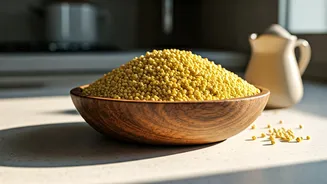
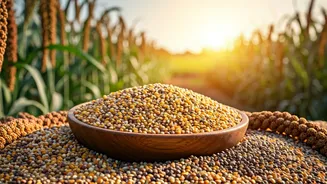
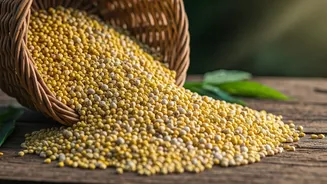
If the word “millet” makes you think of the small, pale seeds in a bag of bird feed, you’re not wrong—but you’re also missing the whole story. That’s typically proso millet, and while birds love it, its culinary potential for humans is vast. Nutritionally, millets are a powerhouse. They are naturally gluten-free, making them a fantastic option for those with celiac disease or gluten sensitivity. They are rich in dietary fiber, which is great for digestive health, and they boast a higher protein content than many other common grains. On top of that, they are packed with essential minerals like iron, magnesium, and phosphorus. So while they’re helping the planet, they’re also delivering a serious dose of nutrients to your plate, moving them far beyond their reputation as a filler ingredient for animal feed.
Getting Started in the Kitchen
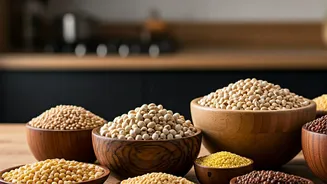
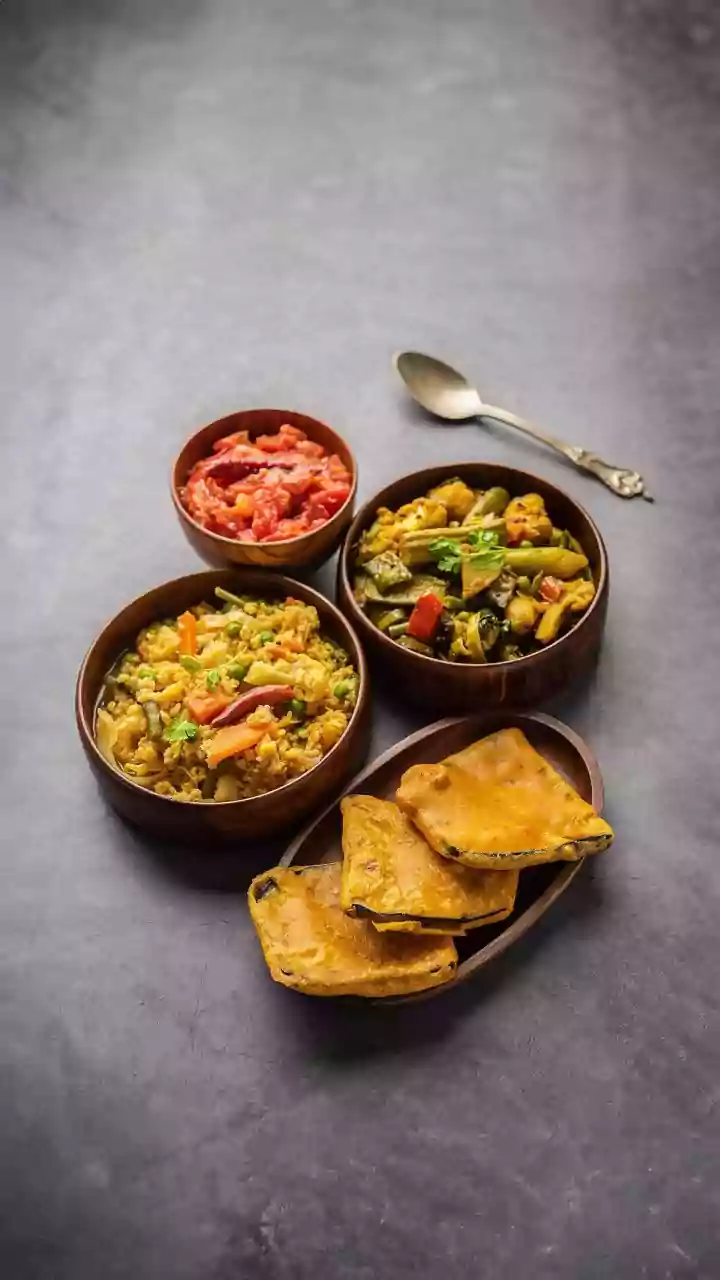
Okay, you’re sold on the concept. But how do you actually eat them? The easiest way to start is to treat millet like you would quinoa or rice. It has a mild, slightly nutty flavor that makes it incredibly versatile. To cook it, simply use a 2:1 ratio of water or broth to grain, bring it to a boil, then simmer until the liquid is absorbed (about 20 minutes). Fluff it with a fork and you have a perfect base for a grain bowl, a side for a stir-fry, or a hearty addition to a salad. You can also make a creamy breakfast porridge by cooking it with a little extra liquid and a splash of milk. For a fun snack, you can “puff” millet like popcorn in a dry pan. And if you’re into baking, look for millet flour, which adds a delicate, cake-like crumb to gluten-free breads and muffins. You'll typically find whole grain millet in the bulk bins or grain aisle of well-stocked grocery stores and health food markets.