




More Than a Spiritual Retreat
Mention Rishikesh, and most Americans picture The Beatles’ 1968 pilgrimage or serene images of yoga gurus meditating by the river. And they’re not wrong. The town is globally recognized as the “Yoga Capital of the World,” drawing spiritual seekers to its
dozens of ashrams and wellness centers. The evening aarti ceremony at the ghats, with its floating lamps and hypnotic chanting, is a soul-stirring spectacle. But to define Rishikesh by its tranquility is to miss half the story. This is a town with a thrillingly split personality. While one bank of the Ganges whispers mantras, the other echoes with the roar of whitewater and the joyful screams of adventurers.
The Ganges as an Adventure Park
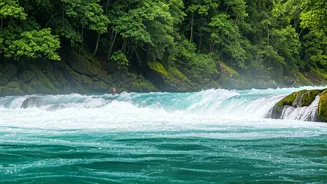
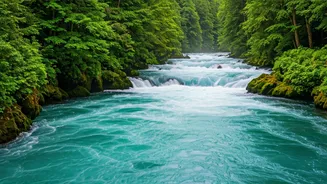
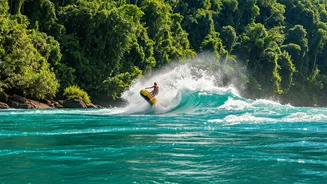
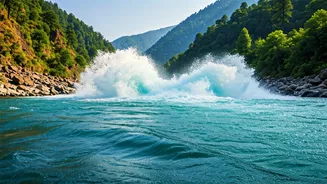
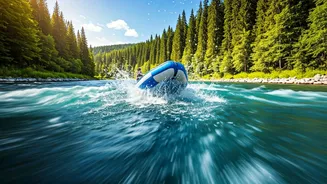
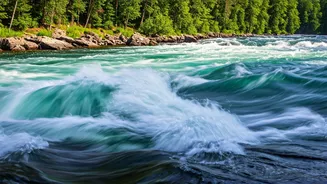
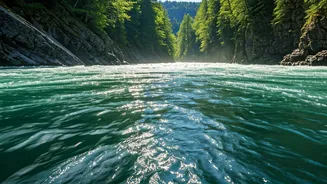
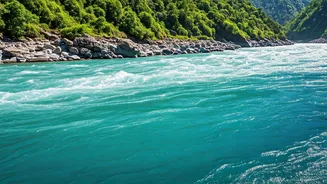
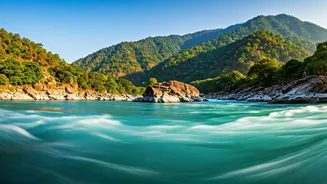
The true secret to making a Rishikesh trip feel enormous is the river itself. Upstream from the town’s spiritual heart, the Ganges transforms into one of the world's most accessible and exciting whitewater rafting destinations. This isn't a lazy float; it's a full-body, adrenaline-pumping experience set against a backdrop of staggering Himalayan foothills. Tour operators offer several stretches of river, catering to all levels. Beginners can tackle the 9-kilometer (about 5.5 miles) run from Brahmapuri, which features gentle yet exciting Class II rapids. For a bigger thrill, the 16-kilometer (10 miles) stretch from Shivpuri is the classic choice, packing in a series of heart-pounding Class III and IV rapids with names like “Roller Coaster” and “Golf Course.” Paddling furiously through a wave, getting drenched by the icy-cool Himalayan meltwater, and then floating calmly through a serene canyon with ancient temples perched on the cliffs is an experience that prints itself on your memory. Many trips even include a “cliff jumping” stop, a voluntary plunge from a 20-foot rock into the deep, green water below.
The 'Budget' Part Is No Joke
Here's the part that makes it all click for the budget traveler. This world-class adventure comes at a shockingly low price. A half-day rafting trip, including transport and a guide, can cost as little as $10-$20 per person. Compare that to a similar experience on a U.S. river, which could easily run you $100 or more. The affordability extends to every other aspect of your trip. Clean, simple guesthouse rooms are available for under $25 a night. A delicious, filling vegetarian meal from a local dhaba (roadside eatery) might set you back just a couple of dollars. Because Rishikesh is a holy city, it's entirely vegetarian and alcohol-free, which naturally keeps food and nightlife expenses down. You can spend a week here—rafting, hiking to waterfalls, attending yoga classes, and eating well—for what a single weekend might cost in many American cities. The value proposition is off the charts; you’re paying backpacker prices for a millionaire’s view and a blockbuster adventure.
Planning Your Plunge
Getting to Rishikesh is straightforward. Most travelers fly into New Delhi’s Indira Gandhi International Airport (DEL) and then take a domestic flight to the nearby Jolly Grant Airport in Dehradun (DED), followed by a one-hour taxi ride. Alternatively, a scenic train journey or a comfortable bus ride from Delhi are popular and even more budget-friendly options. The best time for rafting is from late September to November and again from March to early May, avoiding the freezing winter and the powerful monsoon season. When booking your rafting trip, look for operators certified by the Uttarakhand Tourism Development Board. Safety is paramount, and reputable companies will provide helmets, life jackets, and a thorough safety briefing. No prior experience is necessary for the main tourist runs, just a willingness to paddle and get wet. Pack light, quick-drying clothes, sunscreen, and an adventurous spirit. The rapids are waiting.