





More Than Just the Longest Day
On a scientific level, the summer solstice is straightforward. It’s the day when one of Earth’s poles has its maximum tilt toward the sun. For us in the Northern Hemisphere, this occurs around June 20th or 21st, resulting in the longest period of daylight
and the shortest night of the year. It marks the official start of summer, a moment of peak solar power. But to leave it at that is like describing a wedding as just a signed document. For thousands of years, humans have looked at this celestial peak not just as a fact of astronomy, but as a moment charged with meaning, power, and significance. It's a planetary event we feel in our bones—a cosmic permission slip to celebrate light and life.
Echoes of Ancient Fire
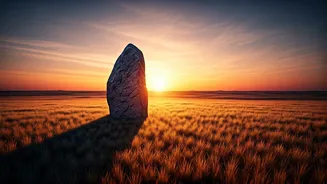
Long before we had atomic clocks and digital calendars, societies oriented themselves around the sun. The solstice was a critical marker for agricultural communities, signaling a turning point in the growing season. Ancient cultures across the globe, from the Egyptians to the Mayans, built monuments like Stonehenge in England, which famously aligns with the solstice sunrise. For European pagans, the solstice, or Midsummer, was one of the most important festivals of the year. It was a time of fire, feasting, and magic. Bonfires were lit to amplify the sun’s energy, drive away evil spirits, and ensure a bountiful harvest. People believed the veil between worlds was thin, and that the natural world was humming with a unique, potent energy. These traditions, centered on themes of fertility, purification, and celebrating peak abundance, form the deep, historical bedrock of the solstice’s spiritual power.
From Pagan Ritual to Wellness Practice
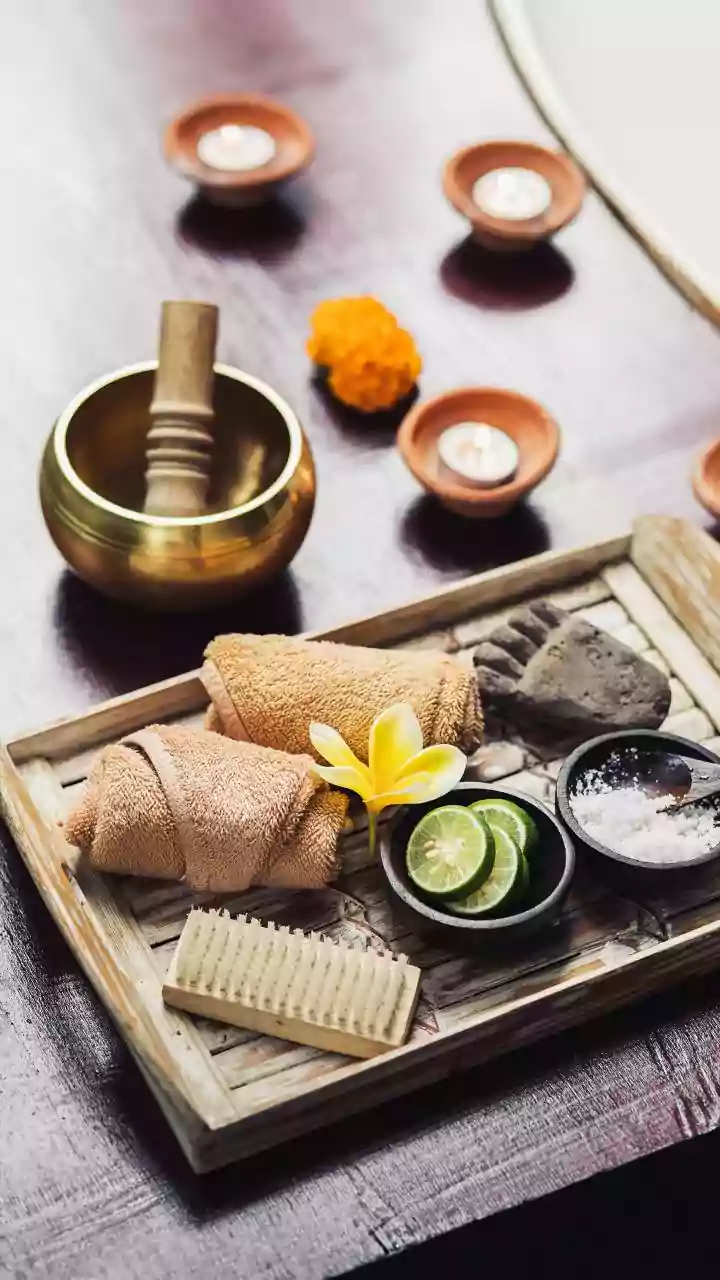
So, how does an ancient pagan festival translate to 21st-century America? The core themes have proven remarkably durable, morphing to fit modern spiritual and wellness contexts. The solstice's emphasis on light, growth, and peak energy resonates deeply with today's focus on personal development and mindfulness. The sun at its zenith becomes a powerful metaphor for our own potential. It’s a time to take stock of the growth we’ve experienced in the first half of the year and set intentions for what we want to cultivate next. Yoga studios host special sun salutation marathons, wellness influencers encourage “solar-charged” meditation, and modern pagans and earth-based spiritual groups gather in parks and backyards to honor the moment. The bonfire ritual has been transformed into lighting a candle on an altar, and a communal feast is now a potluck with friends. The tools have changed, but the fundamental impulse—to pause and connect with a powerful natural cycle—remains the same.
How to Mark the Moment Today
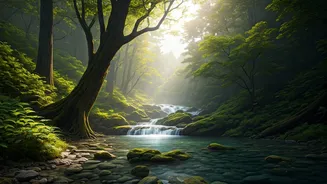
Observing the solstice doesn't require elaborate ritual. In the U.S., celebrations range from the massive to the deeply personal. For years, thousands have gathered in New York’s Times Square for a massive outdoor yoga class, finding stillness amid the urban chaos. In cities like Seattle and Santa Barbara, lively parades and festivals celebrate the sun's peak with art and music. But for most, the observance is quieter. It can be as simple as waking up to watch the sunrise, taking a long walk in nature, or spending the extra hours of evening light enjoying a meal outdoors with loved ones. It’s an invitation to turn off the screens and notice the world around you. The spiritual power of the solstice isn't something you have to believe in; it’s something you can feel by simply participating in the day, appreciating the light, and acknowledging this moment of planetary alignment.