

The Desert's Gentle Sigh
When Americans imagine an Indian monsoon, they picture weeks of relentless, driving rain. It’s a dramatic, often chaotic affair that can shut down cities and strand travelers. But in Jaisalmer, the desert rewrites the rules. Here, the monsoon is less a weather
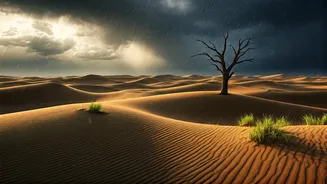
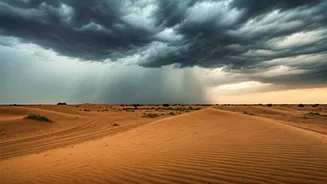
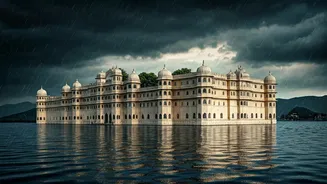
event and more a change in mood. The season, stretching from July to September, trades the punishing 110-degree heat of summer for balmy days in the 80s and 90s. The air, once blisteringly dry, carries a hint of moisture. Instead of a solid blue sky, you get vast, dramatic canvases of bruised purple and grey clouds that scud across the horizon, rarely breaking open. When rain does fall, it's often a brief, refreshing sprinkle that settles the dust and makes the parched earth smell sweet and alive. It’s the desert taking a deep, contented sigh of relief, inviting you to do the same.
A City Bathed in Soft Gold
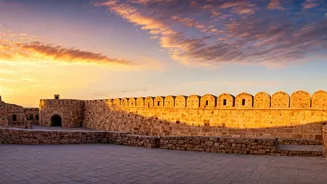
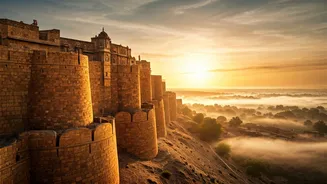
Jaisalmer is famously known as the “Golden City” for the yellow sandstone from which its magnificent fort and ornate havelis (traditional mansions) are carved. Under the harsh, direct sun of peak season, the city can feel bleached and blinding. But during the monsoon, the cloud cover acts as a giant natural diffuser, softening the light and deepening the colors. The sandstone glows with a warm, honeyed hue, its intricate carvings thrown into gentle relief. The vibrant turbans of local men and the brilliantly colored saris of women pop against the muted tones of the sky and sand. It’s a photographer’s dream. Strolling through the fort’s labyrinthine alleys, you’ll find the light filtering down in ethereal shafts, turning a simple walk into a cinematic experience. The views from the ramparts are transformed, with the sprawling desert landscape below occasionally tinged with a surprising, fleeting coat of green.
The Freedom of the Off-Season
Perhaps the greatest luxury of visiting Jaisalmer during the monsoon is the blissful absence of crowds. This is the city’s designated off-season. The tour buses are gone, the popular viewpoints are quiet, and the narrow lanes of the fort are yours to explore at a leisurely pace. You can wander into a 12th-century Jain temple and have it almost to yourself, marveling at the detailed marble work in peaceful silence. Shopkeepers are more relaxed and eager to chat over a cup of chai, rather than just make a quick sale. The lower demand also translates into significant savings. Boutique hotels carved into ancient havelis, which command premium prices in the winter, offer stunning rooms for a fraction of the cost. You get a more authentic, intimate experience of the city—a feeling of having stumbled upon a secret that the rest of the world has yet to discover.
Adventures in a Cooler Climate
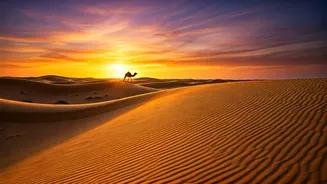
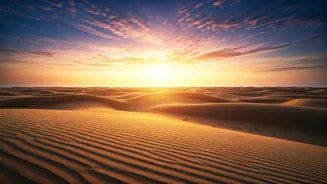
The milder weather doesn’t just make sightseeing more pleasant; it unlocks activities that can be unbearable in the heat. A camel safari, a quintessential Jaisalmer experience, becomes a romantic trek rather than an endurance test. Riding through the Sam Sand Dunes as the sun sets behind a bank of clouds is an unforgettable moment of desert tranquility. You can enjoy the journey without worrying about heatstroke. Back in the city, the cooler evenings are perfect for rooftop dining. Almost every hotel and restaurant has a rooftop terrace with breathtaking views of the illuminated fort. Instead of gulping down water, you can savor a traditional Rajasthani thali while a cool breeze drifts by, watching the ancient fortress light up against the dark, dramatic sky. It’s the perfect setting to reflect on a day spent exploring a city that has mastered the art of romance without the unnecessary drama.