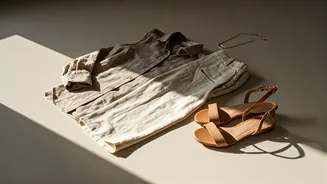








So, What Exactly Is 'Clean' Dressing?
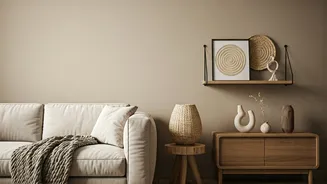
Forget fleeting micro-trends and overwhelming patterns. At its core, 'clean dressing' is a return to thoughtful simplicity. It’s an aesthetic built on the foundation of high-quality basics, refined silhouettes, and a restrained, often neutral, color palette.
Think less about what you can add to an outfit and more about what you can strip away to let the core pieces shine. It shares DNA with minimalism and the 'quiet luxury' movement, prioritizing timelessness over trend-chasing. This approach isn't about looking sterile or boring; it's about intentionality. Each piece is chosen for its cut, its fabric, and its ability to pair seamlessly with everything else in your closet, making getting dressed on a sweltering July morning a breeze instead of a battle.
The Foundation: A Neutral Palette
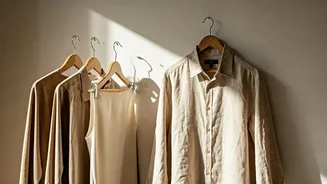
The fastest way to adopt a 'clean' aesthetic is to embrace a sophisticated neutral color scheme. This doesn’t just mean black and white. A truly effective clean palette is rich with nuance: shades of cream, beige, sand, stone, and ivory form the backbone of the look. These lighter tones are not only psychologically cooling but are also practical, as they reflect sunlight rather than absorbing it. A crisp white linen shirt, ecru-colored trousers, or a simple black slip dress become powerful wardrobe workhorses. By sticking to this refined spectrum, every item naturally complements the others, eliminating the guesswork of color-matching and creating an instant sense of cohesion and polish.
Fabric Is the Unsung Hero
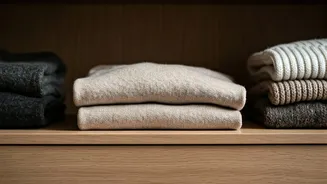
When your silhouettes are simple, the texture and quality of your fabrics take center stage. This is where clean dressing truly excels for summer wearability. The aesthetic champions natural, breathable materials that feel as good as they look. Lightweight linen, with its effortlessly rumpled texture, is a cornerstone. So are airy cotton poplin, soft ribbed knits, and fluid silk or Tencel blends. These fabrics don't cling or trap heat, allowing for air circulation that is essential for staying comfortable in the humidity. Investing in a few pieces made from superior materials will not only elevate your look but will fundamentally change your physical experience of dressing for the heat.
Prioritize Simple, Flattering Silhouettes
Clean dressing favors structure that is elegant but not restrictive. The goal is to find shapes that skim the body rather than constrict it. Think of wide-leg trousers that billow as you walk, a classic A-line midi skirt, a perfectly cut tank top, or a slightly oversized button-down shirt that can be worn open over a dress or tucked into shorts. These relaxed-yet-tailored silhouettes create a sophisticated profile while maximizing comfort and movement. Avoid anything overly fussy, ruffled, or complicated. A simple, well-executed shape in a beautiful fabric always looks more expensive and considered than an over-designed garment.
Accessorize with Intention, Not Excess
Accessories in a 'clean' wardrobe are the punctuation mark, not the entire sentence. The idea is to choose a few deliberate, high-impact items. Instead of layering multiple necklaces, opt for a single, elegant gold chain. Swap a busy, logo-heavy tote for a structured leather handbag or a simple woven basket bag. A classic leather belt can cinch the waist of a dress or anchor a pair of trousers, providing a focal point. The same goes for footwear: minimalist leather sandals, a sleek mule, or classic white sneakers complete the look without competing with it. It’s about choosing accessories that are timeless, well-made, and add a final touch of polish without creating visual clutter.