



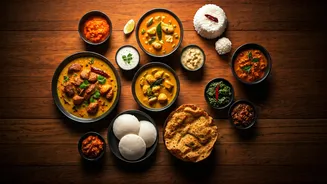


Beyond the Buffet Line
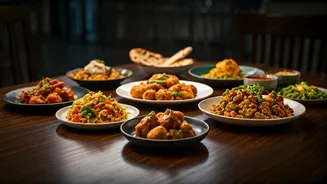
Let’s be honest: the all-you-can-eat lunch buffet, while a beloved institution, did Indian cuisine a disservice. It created a perception of a single, homogenous 'Indian' flavor profile—heavy, creamy, and built around a few interchangeable northern dishes.
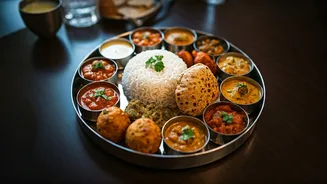
This model, designed for Western palates and operational efficiency, often obscured the staggering diversity of one of the world's most complex food cultures. The current 'glow-up' is a direct rejection of that monolith. It’s a movement driven by a new generation of chefs and restaurateurs, many of them Indian American, who are insistent on telling a more specific, personal, and nuanced story. They are moving away from the generic 'curry house' and creating spaces that celebrate the distinct culinary identities of India’s 28 states, from the coastal seafood traditions of Kerala to the fermented flavors of the Northeast.
The Original Plant-Forward Cuisine
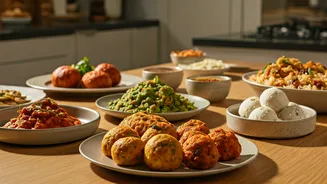
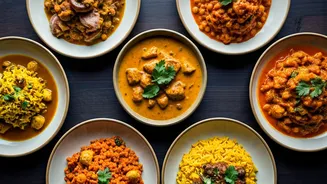
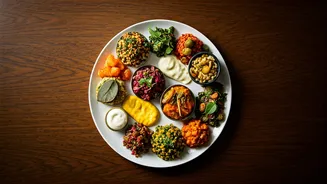
The term 'ethical eating' often circles around a few key ideas: plant-based diets, sustainability, and minimizing harm. Long before these became buzzwords in the American wellness scene, they were deeply embedded principles in many Indian cultures. A significant portion of India’s population has practiced vegetarianism for centuries, guided by the principle of *ahimsa* (non-violence) and religious customs. This isn’t a recent trend; it's an ancient, sophisticated way of life that has resulted in a cuisine where vegetables aren’t a sad substitute for meat, but the celebrated heroes of the plate. Dishes like lentil-based dal, chickpea curries, and intricate vegetable stews are not afterthoughts but cornerstones of the diet. This rich history gives Indian food an incredible head start in the modern conversation about sustainable, plant-forward eating. It doesn’t need to be adapted for a vegan diet; in many cases, it already is.
A Celebration of Regionality
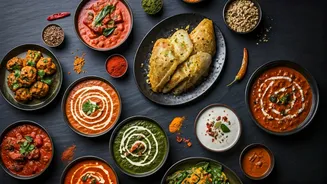
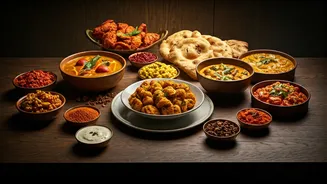
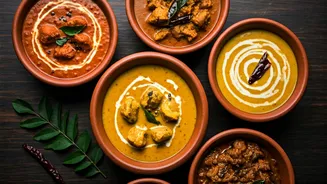
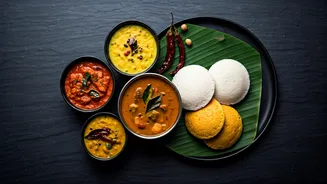
The true engine of this glow-up is the explosive focus on regionality. Ambitious chefs are finally giving American diners a taste of the India they know—the food of their specific hometowns and grandmothers’ kitchens. Instead of just 'dal,' you might find a menu featuring *tadka dal* from Punjab alongside a tangy, tamarind-based *sambar* from Tamil Nadu. This isn't just about authenticity for its own sake; it's about unlocking a universe of flavor. You'll find restaurants specializing in the food of a single state, using ingredients and techniques rarely seen in the U.S. before, like pungent mustard oil from Bengal, smoky Naga chiles, or the art of cooking in a clay pot. This specificity transforms a meal from a simple transaction into a cultural education. It honors the farmers, artisans, and home cooks who have perfected these dishes over generations, providing a much-needed counterpoint to the forces of globalization that tend to flatten cultural distinctions.
Redefining Value and Flavor
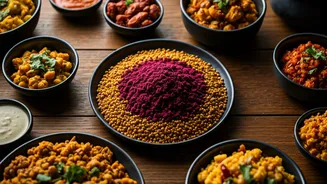
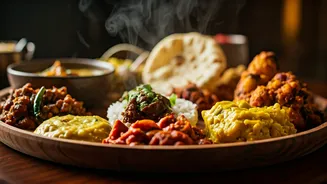
This new wave is also challenging perceptions of value. For too long, Indian food was relegated to the 'cheap eats' category. The new guard is making a powerful statement: this food, with its complex spice blends, labor-intensive techniques, and rich cultural heritage, deserves to be treated with the same respect as French or Italian cuisine. By sourcing high-quality ingredients and presenting dishes with artistry and intention, they are reframing Indian food as a premium dining experience. This shift also redefines what 'flavor' means. It’s not just about heat. It’s about the interplay of sweet, sour, salty, bitter, pungent, and astringent. It’s about the texture of a perfectly crisp dosa, the aroma of freshly ground spices, and the satisfying complexity of a slow-cooked vegetable curry. It's a full-sensory experience that proves ethical, plant-forward eating can be—and should be—spectacularly delicious and deeply satisfying.