


The Myth of a Million Spices
Let’s start with the spice drawer. The ingredient list for a single curry can look like a shopping list for a medieval apothecary, sending many aspiring cooks running for the takeout menu. This is where the American perception and Indian reality diverge
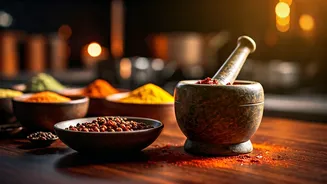
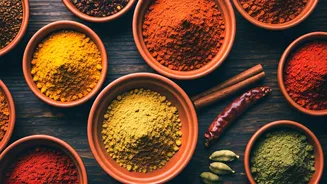
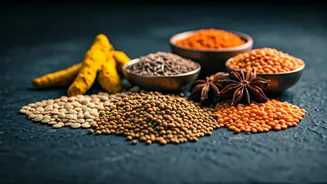
most sharply. The secret isn't owning a hundred different spices; it's about the *masala dabba*, or spice box. This simple, circular tin contains the seven or eight workhorse spices that form the backbone of countless dishes: cumin seeds, coriander seeds (often ground), turmeric, mustard seeds, red chili powder, and perhaps a garam masala blend. It’s the equivalent of an artist’s primary color palette. With this single, organized tool at their side, an Indian home cook isn’t measuring out a dozen tiny spoonfuls from different jars. They’re fluidly adding a pinch of this and a dash of that, building flavor in minutes. The *masala dabba* isn't just a container; it's a philosophy of efficiency.
Technique Over Treasure
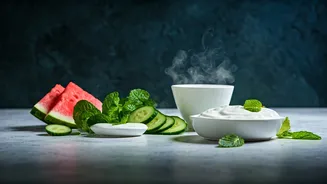
While French cooking often emphasizes expensive ingredients—the right cut of meat, the perfect block of butter—Indian home cooking prioritizes technique. The most crucial of these is the *tadka* (also called *chaunk* or tempering). This simple, brilliant step involves blooming whole or ground spices in hot oil or ghee and pouring it over a dish at the beginning or end of cooking. This technique takes less than a minute but completely transforms a simple pot of lentils, a bowl of yogurt, or a pile of steamed vegetables from bland to extraordinary. It’s an instant infusion of aroma and flavor that requires no fancy equipment or pricey components. Once you master the *tadka*, you realize that you don’t need saffron or single-origin peppercorns to make something delicious. You just need to know how to unlock the potential of the everyday spices you already have.
Rooted in Resourcefulness
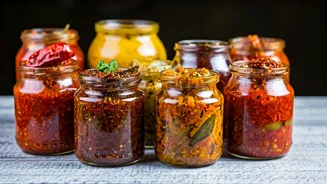
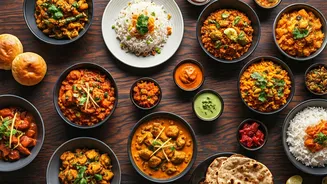
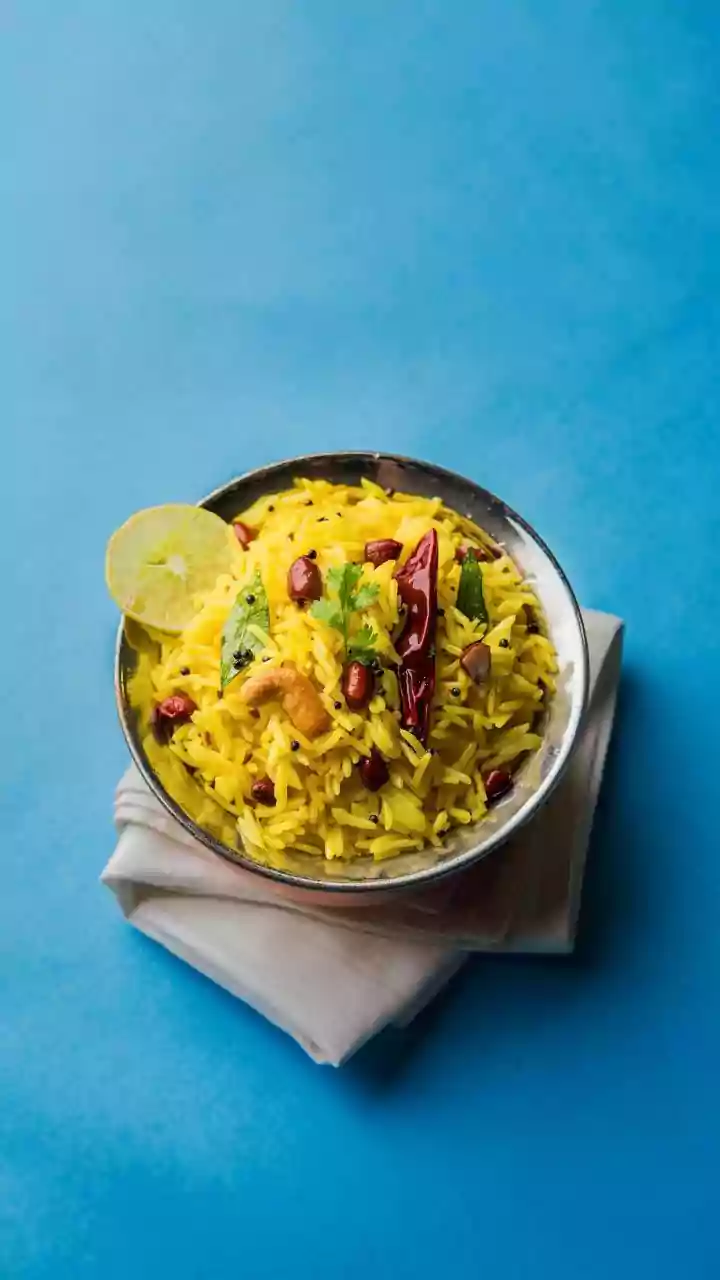
At its heart, Indian home cooking is an exercise in masterful frugality. It was born from a need to make the most of what was available, a principle that remains deeply ingrained. Recipes are often built around inexpensive staples like lentils, chickpeas, rice, and seasonal vegetables. A small amount of a pungent pickle or a flavorful chutney can liven up an entire meal. Nothing is wasted. Yesterday’s leftover rice might be transformed into tangy lemon rice for breakfast. A few aging vegetables are stir-fried with spices for a quick side dish (*sabzi*). Even the whey from making paneer can be used to enrich dough for flatbreads. This isn't about deprivation; it's a creative, sustainable mindset that sees potential in every ingredient. It’s the ultimate anti-pretension, valuing utility and flavor above all else.
Intuition, Not Rigid Instruction
If you ask an Indian aunty for a recipe, you’ll rarely get a neat list of precise measurements. You’ll get a story, a method, and a series of sensory cues: “Cook the onions until they are soft and golden,” “add spices until the kitchen smells fragrant,” “let it simmer until the oil separates.” This can be frustrating for a novice, but it reveals the true nature of the cuisine. It’s meant to be intuitive. Indian cooking encourages you to taste, smell, and feel your way through a dish. Recipes are guidelines, not gospel. Don't have mustard seeds? Leave them out or try something else. Prefer it spicier? Add more chili. This flexibility is what makes it a practical daily practice rather than a rigid scientific experiment. It empowers the cook to adapt dishes to their own pantry and palate, making it a truly personal and approachable craft.