








First, What Is Chaat?
Before we get into the TikTok-ification of it all, let’s establish what we’re talking about. Chaat isn’t a single dish; it’s a universe of savory snacks originating from the Indian subcontinent, beloved for its explosive combination of flavors and textures.
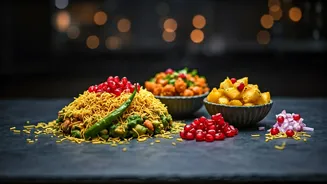
The word itself means ‘to lick’ or ‘to taste,’ and every bite is designed to hit multiple notes at once: sweet, sour, tangy, spicy, and salty. Imagine a base of crispy fried dough (papdi), puffed rice (bhel), or potato patties (aloo tikki), aggressively layered with chickpeas, yogurt, tangy tamarind chutney, vibrant mint-cilantro chutney, and a flurry of spices. It’s a textural playground—crunchy, soft, cool, and warm all at once. Traditionally, chaat is an impromptu, social food, enjoyed from street carts and casual eateries, a vibrant and sometimes messy experience meant to be devoured immediately.
The Rise of 'Mood Food' Content
Meanwhile, in a completely different corner of the culture, social media has become obsessed with curating food around emotional states. This isn't just about comfort food anymore. It’s about assigning specific recipes to specific feelings as a form of self-care and personal branding. We saw it with the “girl dinner” trend, a celebration of low-effort, idiosyncratic meals. We see it in countless videos titled “what to eat when you’re feeling anxious” or “a cozy recipe for a lonely night.” This “mood food” phenomenon packages eating not just as nourishment, but as a therapeutic act and an aesthetic choice. The recipes are often simple, visually pleasing, and come with a narrative of emotional management. It’s a way for creators to connect with their audience on a personal level, turning a simple meal into a relatable lifestyle moment.
When Chaat Meets the Algorithm
Now, these two worlds are colliding. Across TikTok and Instagram Reels, chaat is being reframed through the lens of mood-based content. A recipe for bhel puri—a crunchy mix of puffed rice, vegetables, and chutneys—might be presented as “the perfect snack for when your brain feels chaotic.” A cool, soothing dahi puri (hollow crisps filled with yogurt and chutneys) could be marketed as “what to make after a stressful day.” The focus shifts from the food’s cultural origins to its perceived emotional benefits for the individual creator. The videos follow a familiar, algorithm-friendly format: ASMR-heavy crunches, satisfying drizzles of chutney in slow-motion, and overhead shots emphasizing vibrant colors. The messy, communal joy of traditional chaat is replaced by a clean, curated, and highly individualized performance of self-care, optimized for likes and shares.
A Deliciously Complicated Conversation
So, is this a good thing? The answer, like chaat itself, is complex. On one hand, this trend is introducing millions of people to a cornerstone of South Asian cuisine who might have otherwise never encountered it. For some South Asian creators, it’s a way to share a piece of their heritage with a global audience, using the dominant language of the internet to make it accessible. But on the other hand, there’s a valid concern about decontextualization. When chaat becomes just another prop in the wellness-industrial complex, it risks being stripped of its rich history and social significance. It can flatten a diverse culinary tradition into a single, digestible aesthetic. The conversation happening in comment sections and creator response videos reflects this tension: celebration mixed with critique. Many are asking whether this form of digital fusion is a genuine appreciation or simply another instance of a dominant culture cherry-picking elements for its own trends.