




First, What Exactly Is a 'Soft Life'?
If you’ve scrolled through TikTok or Twitter in the past couple of years, you’ve likely encountered the term. Originating in online conversations, particularly within the Black community, the “soft life” is a conscious rejection of hustle culture, struggle,
and unnecessary hardship. It’s a philosophy centered on prioritizing peace, ease, and personal well-being. It’s not about being lazy or avoiding responsibility, but about intentionally cultivating a life that feels gentle, comfortable, and free from self-inflicted stress. In a world that often glorifies burnout as a badge of honor, the soft life is a quiet revolution. It asks: What if the goal wasn’t to endure, but to enjoy? This mindset is now moving offline, influencing everything from career choices to, yes, how we take a vacation.
From Hustle Culture to Petal-Peeping
Applying this philosophy to travel fundamentally changes the objective. The old model of bloom-season tourism often mirrored the very hustle culture people were trying to escape. It involved waking up at 4 a.m. to beat the crowds, driving for hours to a specific, Instagram-famous location, and fighting for a clean shot without other people in the background. The experience became about “capturing content” rather than having an actual, enjoyable experience. The pressure was immense; the result was often a single, perfect photo and a day filled with anxiety. The soft-life approach flips the script entirely. The goal is no longer the photo, but the feeling. It’s about experiencing the beauty of the blooms with a sense of calm and presence. Instead of a frantic race, it’s a leisurely stroll. The flowers are the main event, but the real star is your own peace of mind.
The Anatomy of a Soft-Life Bloom Trip
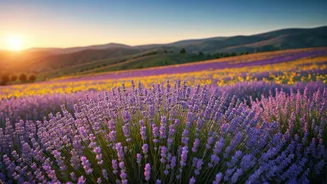
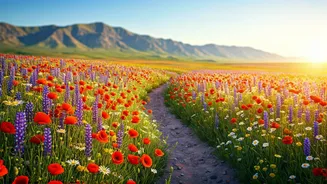
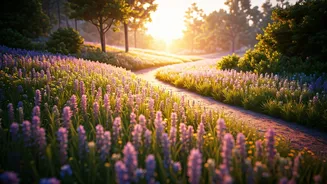
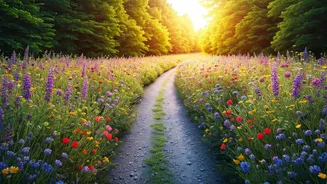
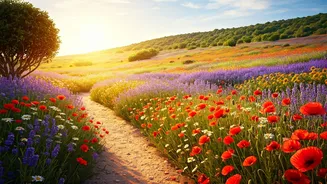
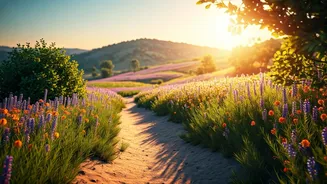
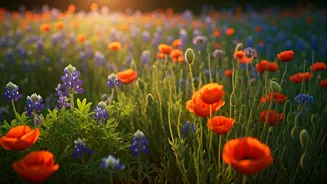
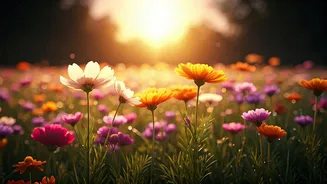
So, what does this look like in practice? It’s less about a specific itinerary and more about a set of principles. It might mean choosing a less-famous, but still beautiful, local botanical garden over a nationally advertised superbloom. It’s packing a picnic with a nice blanket, a good book, and a thermos of tea instead of grabbing a sad gas-station snack on the go. A soft-life bloom trip prioritizes comfort. You wear the comfortable shoes. You leave when you start to feel tired or overstimulated, not when you feel you’ve “gotten your money’s worth.” It’s about finding a quiet bench and simply watching the cherry blossom petals fall, or lying in a field of Texas bluebonnets (in a designated area, of course) and feeling the sun on your face. The focus shifts from the visual spectacle to a full sensory experience: the scent of the flowers, the sound of the breeze, the warmth of the day. The only “must-do” is to relax.
Where Blooms Meet Bliss
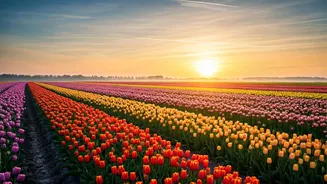
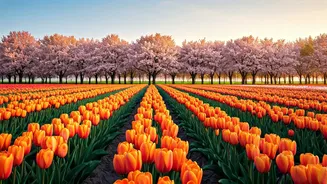
This mindset can be applied to any classic bloom destination. In Washington, D.C., instead of battling the Tidal Basin crowds at peak-pink, it could mean exploring the quieter groves at the U.S. National Arboretum or simply enjoying the cherry trees that dot residential neighborhoods. In California, it might mean skipping the headline-grabbing poppy fields and instead seeking out the more subtle beauty of lupine and desert gold in a state park on a weekday. During the tulip festivals in Michigan or Washington, it’s about buying a coffee from a local shop and wandering slowly, rather than power-walking through the rows to see every single color variation before lunch. The destination doesn’t have to change, but the way you engage with it does. It’s an internal shift that makes any beautiful place a potential sanctuary for a soft afternoon.