



First, What Are Chaat and Tiffin?
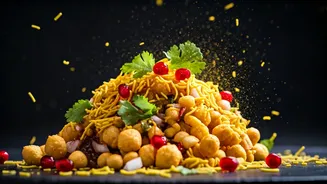
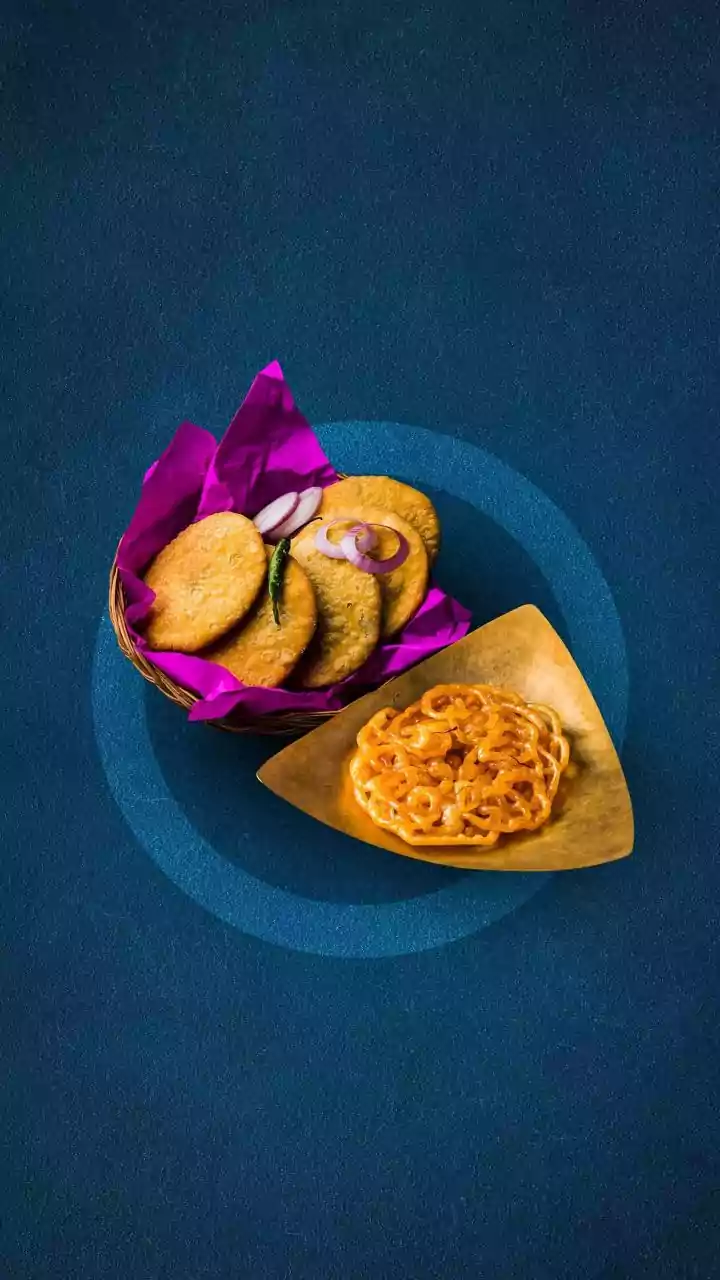
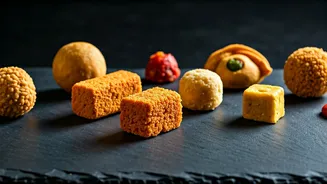
Before we unpack the trend, let’s define the terms. For the uninitiated, ‘chaat’ is less a single dish and more a universe of savory, crunchy, tangy, and spicy snacks, traditionally sold by street vendors across India. Think of bhel puri (puffed rice
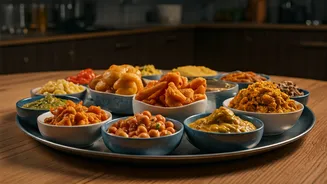
with chutneys), pani puri (hollow crisps filled with spiced water), or samosa chaat (a crushed samosa drowned in yogurt, tamarind, and mint). It’s an experience built on immediacy and texture. ‘Tiffin,’ on the other hand, refers to a light meal, often packed in stacked metal containers (a ‘tiffin box’). It could be a simple lunch of idli (steamed rice cakes) with sambar, a comforting bowl of upma (savory semolina porridge), or poha (flattened rice with onions and spices). While chaat is about chaotic, joyful snacking, tiffin is about wholesome, everyday comfort. Historically, both were defined by their freshness and the skill of the person making them.
The Drivers: Nostalgia Meets Convenience
So why is this deeply traditional food culture suddenly showing up in freezer bags and cardboard boxes? The answer lies at the intersection of demographics and modern life. The primary driver is the growing, and increasingly time-poor, Indian diaspora in the U.S. For first- and second-generation Indian Americans, these foods are a powerful link to heritage—the taste of childhood, festivals, and family. But recreating them from scratch is a labor-intensive affair that doesn’t always fit into a 60-hour work week. Packaged versions offer a shortcut to nostalgia. They provide the complex flavors without the hours of chopping, grinding, and frying. This isn't just about feeding a hunger; it's about satisfying a cultural craving. Simultaneously, as Indian cuisine has become more mainstream, curious non-Indian foodies are eager to explore beyond the standard restaurant fare of chicken tikka masala. Packaged chaat and tiffin offer an accessible entry point to the authentic, everyday foods of India.
Unboxing the Aisle
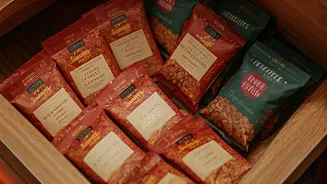
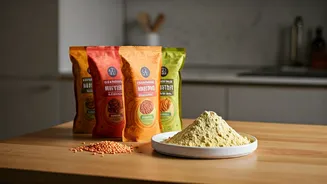
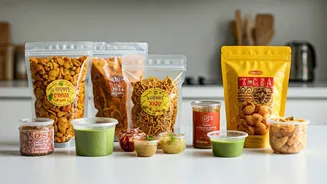
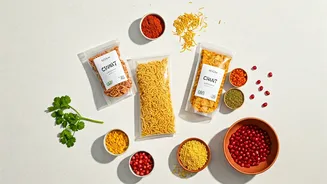
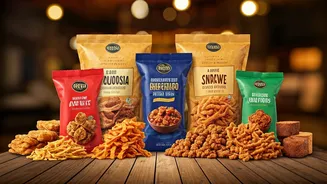
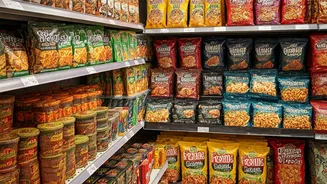
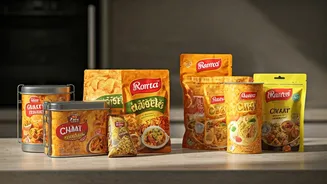
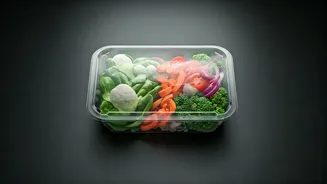
A walk through the international freezer section of a modern U.S. grocery store reveals the trend in full force. Brands like Deep Indian Kitchen, Haldiram's, and MTR have moved from importing basic ingredients to offering sophisticated, ready-to-eat solutions. You can find frozen vada pav, Mumbai’s iconic potato fritter sandwich, ready to be microwaved. There are complete pani puri kits, with the hollow puris, dry spice mixes, and tangy chutneys, requiring only the addition of water and assembly. Startups are also innovating. You might see shelf-stable cups of poha or upma that just need hot water, positioning themselves as the Indian answer to instant oatmeal or ramen. This new generation of products is cleverly engineered to preserve the crucial textures and flavors. Pani puri water is often a concentrate to be diluted, and crispy elements are packed separately to prevent them from getting soggy, solving logistical problems that once seemed insurmountable for mass production.
The Authenticity Question
Of course, this raises the inevitable question: can a packaged product ever truly replicate the magic of the real thing? The purist’s answer is almost certainly no. Something is arguably lost when you remove the street-side ambiance, the sizzle of the hot oil, and the practiced hand of a vendor assembling your plate just for you. The texture of a microwaved samosa will never quite match one fresh from the fryer. However, manufacturers are getting remarkably close. They are focusing on flash-freezing techniques, high-quality ingredient sourcing, and packaging that separates wet and dry components. More importantly, most consumers aren’t seeing it as a one-to-one replacement. It’s a trade-off. They are choosing 80% of the authentic experience for 10% of the effort. It’s not meant to replace a trip to an excellent Indian restaurant or a visit to a street vendor in Delhi, but to serve as a delicious, convenient alternative for a Tuesday night craving.