







1. Swap Cream for a Smarter Broth
A creamy tomato soup or a rich chowder feels like a hug in a bowl, but heavy creams and dairy can be tough on digestion for many. The upgrade? A deeply flavorful, gut-nourishing broth. Bone broth is a fantastic choice, as it's rich in collagen and amino
acids like glycine, which support the integrity of the intestinal lining. For a plant-based alternative, a slow-simmered mushroom or vegetable broth fortified with umami-rich ingredients like dried shiitakes and kombu (seaweed) provides a savory depth that rivals any meat-based stock. These broths form a lighter, yet intensely satisfying, foundation for your favorite soups and stews, delivering comfort without the digestive cost.
2. Roast Your Prebiotics
Your gut microbiome thrives on prebiotics—a type of fiber that feeds the beneficial bacteria living in your digestive tract. While you can get them from raw foods, the rainy season calls for something warmer. Roasting is the perfect solution. Hearty root vegetables like sweet potatoes, carrots, parsnips, and onions are packed with prebiotic fiber. When roasted, their natural sugars caramelize, creating a sweet, earthy flavor that’s deeply comforting. Toss them with a little olive oil, salt, and herbs like rosemary or thyme, and roast until tender. You can eat them as a simple side dish, add them to salads, or blend them into a silky, nutrient-dense soup.
3. Embrace Warming, Anti-Inflammatory Spices
Spices do more than just add flavor; they can be powerful allies for your gut. During damp, cool weather, turn to warming spices known for their anti-inflammatory and digestive properties. Ginger is a well-known superstar for soothing nausea and aiding digestion. Turmeric, with its active compound curcumin, is a potent anti-inflammatory. Cinnamon can help regulate blood sugar, and spices like cardamom and cloves add aromatic warmth while supporting digestive health. Incorporate these into your cooking by adding fresh ginger to stir-fries, a teaspoon of turmeric to your lentil soup, or a dash of cinnamon to your morning oatmeal or roasted sweet potatoes. They make your food taste cozier and work to keep your gut calm.
4. Add a Fermented Finish
Fermented foods are your primary source of probiotics—the live beneficial bacteria that support a healthy gut ecosystem. The challenge with hot foods is that high heat can kill these delicate organisms. The simple upgrade is to use them as a finisher. After you’ve ladled your hot soup, stew, or grain bowl, top it with a spoonful of something fermented. A dollop of plain, unsweetened yogurt or kefir adds a creamy tang. A forkful of sauerkraut or kimchi provides a crunchy, acidic counterpoint to a rich, savory dish. This not only preserves the probiotic benefits but also adds a final layer of complex flavor and texture that makes the entire meal more exciting.
5. Slow-Cook for Easier Digestion
Your slow cooker is your best friend during the rainy season, and it's also a secret weapon for gut-friendly cooking. The 'low and slow' cooking method is brilliant at breaking down tougher cuts of meat and fibrous vegetables, essentially pre-digesting your food. This process makes proteins more accessible and fibers softer and easier on your system. A slow-cooked beef stew with root vegetables or a chicken and barley soup becomes incredibly tender and flavorful. This gentle cooking method not only results in a meal that’s ready when you walk in the door but also one that your digestive system will thank you for.
6. Fortify with High-Fiber Grains
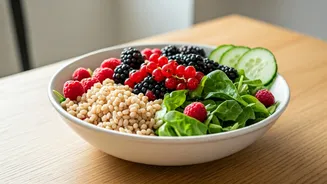
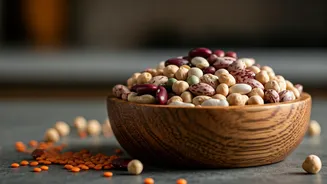
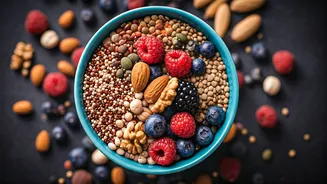
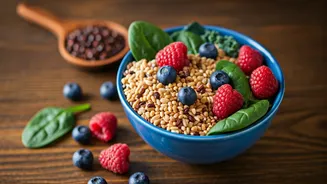
When you’re craving carbs, bypass the refined white pasta or bread and reach for hearty, high-fiber whole grains. Grains like barley, farro, quinoa, and freekeh are packed with both soluble and insoluble fiber, which are essential for digestive regularity and feeding good gut bacteria. Barley is wonderful in soups and stews, absorbing the flavors of the broth and adding a satisfying chew. Farro and quinoa make excellent bases for warm grain bowls, topped with roasted vegetables and a gut-friendly protein. These complex carbohydrates provide sustained energy and keep you feeling full and satisfied, warding off the sluggish feeling that can follow a less-balanced comfort meal.