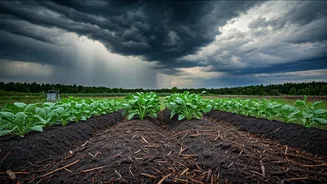







1. Weed with a Vengeance
Working wet soil is a recipe for compaction and misery, but weeding just before a rain is a masterstroke. While pulling stubborn tap-rooted weeds like dandelions can be easier after a light sprinkle softens the ground, tackling the majority of your weed problem
on dry soil is far more efficient. You can easily scuffle-hoe or hand-pull annual invaders without turning your garden beds into a mud pit. More importantly, you remove the competition before the coming rain gives them—and any dormant weed seeds you just exposed—a growth-supercharging drink. Getting them out now prevents a small problem from becoming a jungle in a week's time. Think of it as a preemptive strike; every weed you pull today is one less you'll have to wrestle out of soggy, clinging clay tomorrow.
2. Amend and Fortify Your Soil
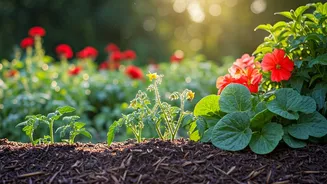
Your garden's soil is its stomach, and now is the time to feed it. Adding amendments like compost, aged manure, leaf mold, or specific nutrients like bone meal is best done when the soil is dry and workable. Spreading amendments over a dry surface ensures even distribution, and turning them into the top few inches of soil is infinitely easier with a spade or tiller. If you try to do this after a downpour, you risk creating a lumpy, unworkable mess. The real magic happens when the rain arrives. A steady, gentle rain will slowly carry the nutrients down into the soil profile, integrating your amendments naturally and charging the soil with life. It’s nature’s rototiller, doing the work of blending and settling for you, creating a rich, friable foundation for your plants.
3. Turn and Shape Your Beds
If you've ever stepped into a saturated garden bed, you know the feeling of your boot sinking into the mud. That same pressure compacts the soil, squeezing out the air pockets that plant roots and beneficial organisms need to thrive. Tilling, double-digging, or even just broadforking wet soil destroys its structure, creating dense clods that can harden like brick when they finally dry. The pre-rain window is the perfect time for any heavy-duty soil work. This is your chance to turn over cover crops, break up compacted areas, and form your planting beds. Create raised rows or mounded hills now, while the soil is light and cooperative. When the rain comes, it will gently settle your newly shaped beds, firming them up just enough for planting without any of the destructive compaction.
4. Define Your Edges and Pathways
A tidy garden isn't just about aesthetics; it's about function. Clear pathways prevent you from stepping in your prepared beds, and clean edges stop lawn grass from creeping into your vegetable patch. Trying to re-cut a garden edge with a spade when the ground is waterlogged is a frustrating, messy chore. The soil slumps, the lines are sloppy, and you end up caked in mud. Do it now, before the rain. Use a flat-edged spade to create crisp, clean lines between your garden and your lawn or pathways. This not only looks professional but also creates a barrier that can help manage water flow and keep mulch where it belongs. When the rain is over, you'll have firm, clear walkways to use while you plant, instead of a series of muddy traps.
5. Gather Your Mulch and Tools
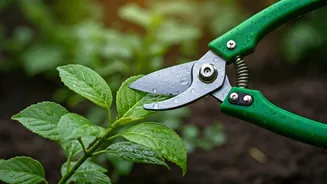
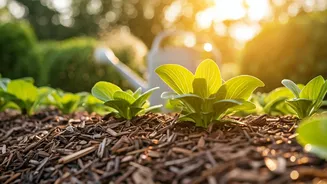
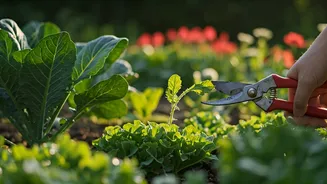
While the best time to *apply* mulch is often after the rain, onto soil that is already moist, the best time to *prepare* for mulching is before. Use this dry period to gather your materials. Move bags of shredded bark, haul bales of straw, or pile up shredded leaves near your garden beds. Nothing is more demoralizing than wanting to mulch a freshly rained-on garden only to find your supplies are at the far end of a muddy yard. Get everything staged and ready. Furthermore, use this time to clean, sharpen, and organize your tools. A sharp hoe, a clean trowel, and a well-oiled pair of pruners make any garden task more efficient and enjoyable. When the rain passes and the soil is perfectly moist for planting, you’ll be ready to go with everything you need at your fingertips.