

From Afterthought to Anchor
Remember when home decor was primarily about furniture, paint colors, and throw pillows? Plants, if they were present at all, were often an afterthought—a lone, dusty succulent on a windowsill or a sad-looking fern from the grocery store. That era is
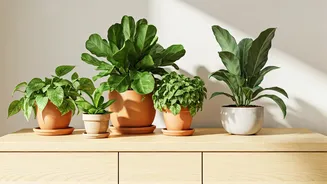
definitively over. Today, for a growing number of Americans, plants are not just accessories; they are foundational elements of a home's design and atmosphere. The ritual begins long before the purchase. It involves scrolling through Instagram for inspiration, researching light requirements, and planning a room's layout around a future fiddle-leaf fig. The act of shopping itself has transformed. It's no longer a quick grab-and-go but a deliberate, almost meditative experience. Boutique plant shops with curated collections, knowledgeable staff, and picture-perfect aesthetics have replaced dusty corners of big-box stores as the preferred destination. This shift signals a deeper change: we're not just buying a thing; we're adopting a new living companion and curating a feeling.
The Great Indoors Acceleration
While the houseplant trend was already budding pre-2020, the pandemic acted as a super-powered fertilizer. Confined to our homes, we became acutely aware of our surroundings. The same four walls, day in and day out, created a powerful urge to bring life, nature, and novelty into our personal spaces. Plants offered the perfect solution. They were a way to literally bring the outdoors in when we couldn't go out ourselves. More than that, they provided a sense of purpose and a nurturing routine in a time of intense uncertainty. Caring for something, watching it grow, and troubleshooting its needs gave people a small, manageable sense of control when the world outside felt chaotic. This period solidified the plant-as-hobby, moving it from a purely decorative choice to a form of therapy and a tangible project with visible rewards.
Curated Jungles and Digital Influence
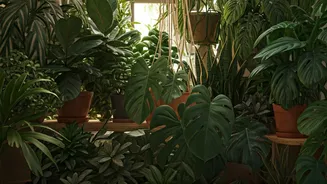
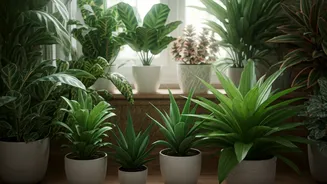
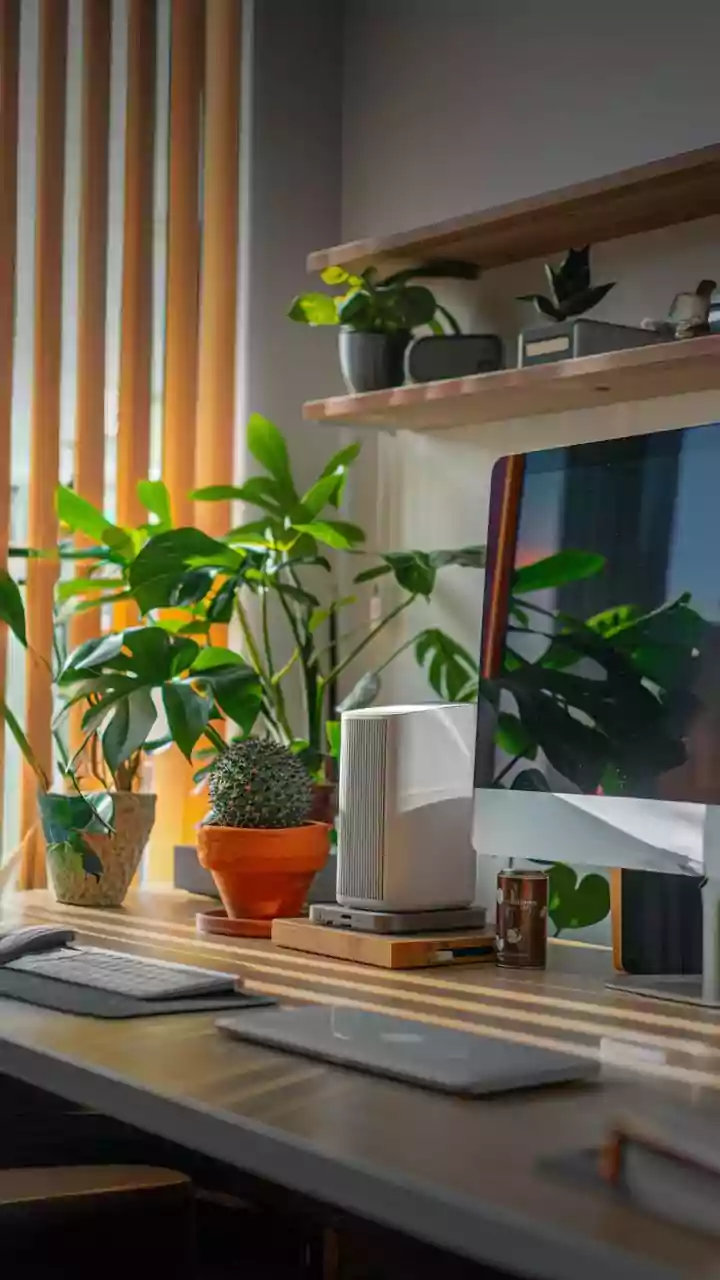
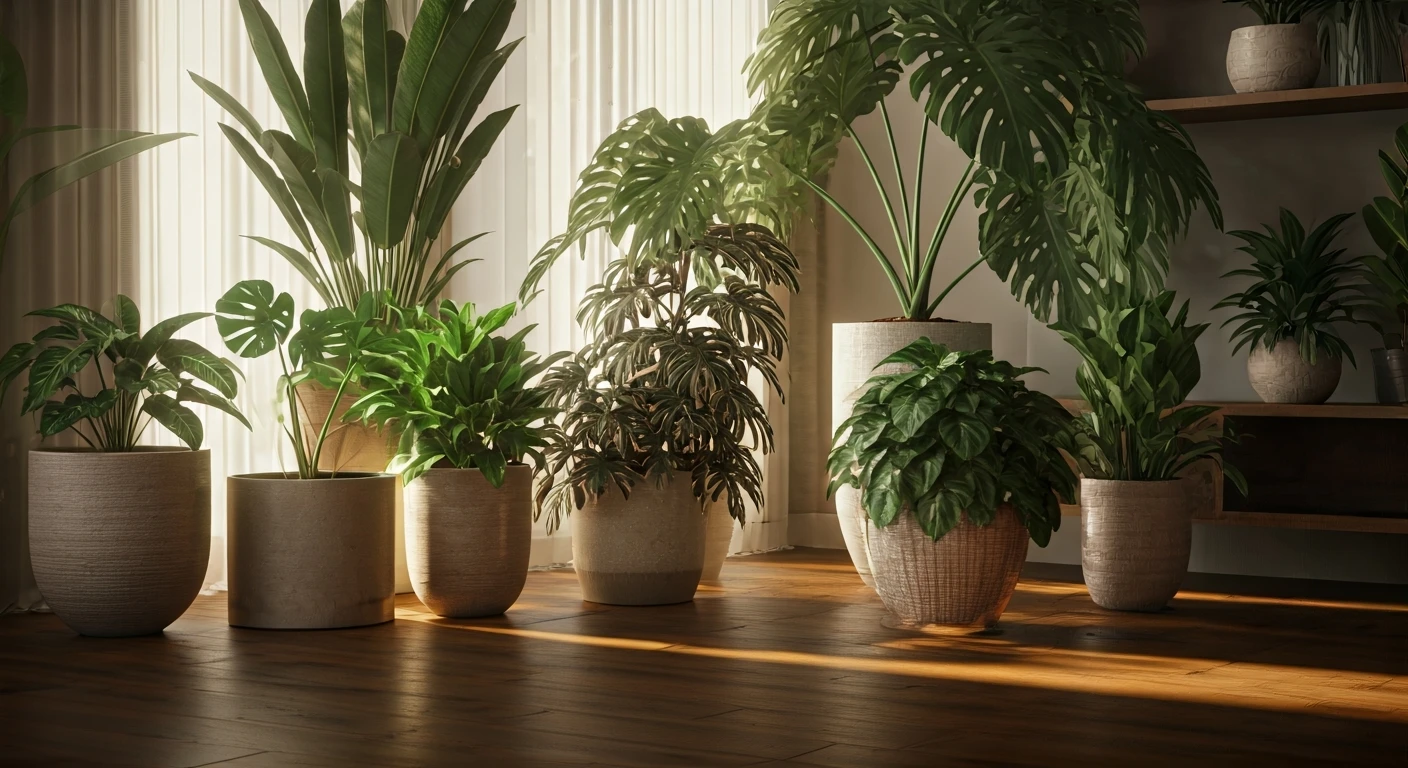
You can’t discuss modern trends without talking about social media, and the houseplant phenomenon is deeply intertwined with our digital lives. Platforms like Instagram and Pinterest are vast, digital greenhouses showcasing #urbanjungle and #plantmom aesthetics. These aren't just snapshots of a pot; they are carefully staged vignettes of a desirable lifestyle—one that is calm, curated, and connected to nature. The visual appeal is undeniable. Lush, green leaves cascading over bookshelves and framing sunlit windows became the new aspirational interior. This created a powerful feedback loop: see a beautiful plant online, feel the desire to replicate that beauty, buy the plant, and perhaps even post it yourself. This digital validation turned plant ownership into a shareable identity, a marker of taste and nurturing capability that resonates particularly strongly with Millennials and Gen Z.
The Wellness Connection
Ultimately, the rise of the plant shopping ritual taps into the larger cultural obsession with wellness. The benefits of being around nature, a concept known as biophilia, are well-documented. Plants have been shown to reduce stress, improve air quality, and boost mood. In an age of digital burnout and constant connectivity, the simple, analog act of watering a plant or wiping its leaves can be a profound form of mindfulness. It forces you to slow down, pay attention, and engage with the physical world. This makes the plant shopping ritual more than a consumer behavior; it’s an act of self-care. It’s a conscious decision to invest in an object that not only beautifies a space but also provides a psychological return, offering a quiet, green anchor in the hustle of modern life.