





More Than Just a Trade Show
Imagine a convention center the size of several football fields, humming with energy. Thousands of exhibitors, from multinational giants like Nestlé and Unilever to ambitious local startups, showcase everything from plant-based meat alternatives to high-tech
packaging machinery. This is the scene at events like AAHAR in New Delhi, one of Asia's largest food and hospitality fairs, or Indusfood and SIAL India. These aren't just industry meet-and-greets; they are powerful economic engines and crucial barometers of one of the world's fastest-growing consumer markets. For years, these events were primarily domestic affairs. Now, they are unmissable dates on the global F&B calendar, drawing buyers, investors, and chefs from Europe, the Middle East, and North America, all eager to tap into the Indian market or source the next big culinary trend.
The Engine: A New Indian Consumer
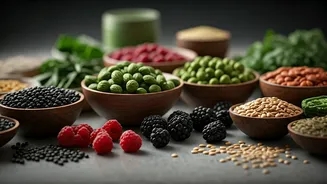
The explosive growth of these expos is fueled by a profound shift in Indian society. A rapidly expanding middle class, with more disposable income and exposure to global trends, is demanding more from its food. The consumer base is younger, more urban, and digitally connected. This has created a voracious appetite for a wider variety of products: convenient ready-to-eat meals for dual-income households, healthier options like organic grains and low-sugar snacks, and premium or international foods that were once considered luxuries. The rise of e-commerce and food delivery platforms like Zomato and Swiggy has further accelerated these trends, creating a direct channel for new brands to reach millions of customers. F&B expos have become the essential bridge, connecting the producers of these new products with the retailers, restaurateurs, and distributors who serve this new Indian consumer.
From Local Farm to Global Shelf
This boom isn't just about satisfying domestic demand. India is a global agricultural powerhouse, and the government is aggressively promoting food processing and exports as a key pillar of economic growth. The expos are the primary marketplace where this strategy comes to life. They provide a platform for Indian producers—from farmer cooperatives to sophisticated food processors—to meet international quality standards and connect with global buyers. A small-batch coffee grower from southern India might find a distributor for the European market, or a manufacturer of mango pulp could sign a multi-million dollar contract with a beverage company in the U.S. These events are critical for modernizing the supply chain, encouraging investment in cold storage, logistics, and processing technology, and ultimately increasing the value of India's agricultural output on the world stage.
What's Next on the Menu?
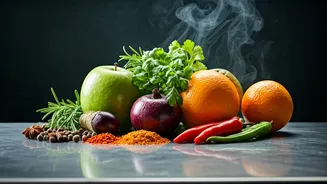
Walking the floor of an Indian F&B expo offers a glimpse into the future of food, both in India and globally. The innovation on display is staggering. You’ll see a surge in health and wellness products, with a uniquely Indian twist—think millets positioned as a superfood, or turmeric-infused wellness drinks. The plant-based sector is exploding, not just with Western-style burgers, but with products tailored to Indian cuisine, like plant-based keema (minced meat). Simultaneously, international brands are using these shows to test and tailor their products for the complex Indian palate, a market that’s notoriously difficult to crack but offers immense rewards. The presence of pavilions dedicated to everything from vegan products to wine and spirits signals a market that is diversifying and maturing at a breakneck pace.