







More Than Just a Meal
What does it mean for food to be “experience-led”? Think of it this way: the food is only one part of a larger package. The real product is a story, a vibe, and, most importantly, a social media post. In cities like Mumbai, Delhi, and Bangalore, cafes
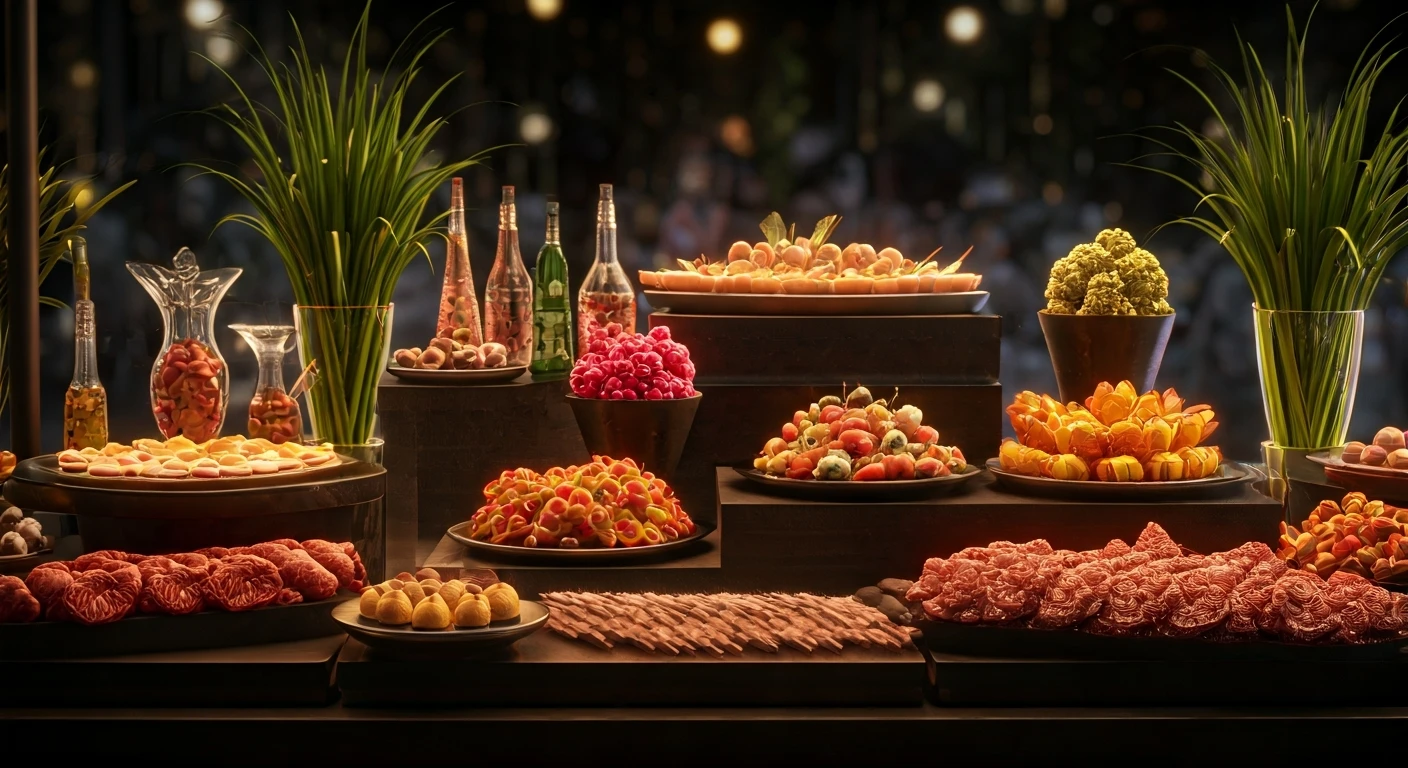
and restaurants are thriving by offering more than a menu. They offer a theme—a comic book universe, a chic Parisian alley, a gritty chemistry lab. They design their interiors, lighting, and even their cutlery with one question in mind: “Is this Instagrammable?” This isn't about fine dining, which has always sold an experience. This is the democratization of dining as entertainment. It’s the difference between a generic coffee shop and a place where the latte art is a miniature masterpiece, the chairs are mismatched vintage finds, and the wall features a neon sign with a witty quote. For young Indian consumers, the few extra rupees for a coffee are a small price to pay for access to a curated environment that reflects their own aspirational identity.
Meet the New Consumer King
This seismic shift is being driven by India’s formidable youth demographic. With more than 600 million people under the age of 25, India has the world’s largest youth population. This generation, encompassing late millennials and Gen Z, is fundamentally different from its predecessors. They are digitally native, globally aware, and have more disposable income than any generation before them.
Raised on a diet of global pop culture and domestic prosperity, their aspirations are not just about security but about self-expression. They aren't just looking to buy a product; they are looking to build a personal brand. Their choices—from the clothes they wear to the food they eat—are curated to project a certain image online. For them, a meal is a status update, a declaration of taste, and a piece of social currency. Food has become a key part of the modern Indian identity kit.
From Convenience to Curation
Just a decade or two ago, the arrival of Western fast-food chains like McDonald's and KFC was a revolutionary event in India. It represented novelty, convenience, and a taste of the outside world. These brands won by offering a standardized, reliable product. But for today's young consumers, that standardization is a bug, not a feature. They’ve grown up with these brands, and the novelty has worn off.
The new wave of successful food entrepreneurs in India understands this. They are building brands that feel unique, local, and authentic—even if the cuisine is international. They create narratives around their concepts, whether it’s a focus on sustainably sourced ingredients, a chef’s personal story, or a quirky theme that generates buzz. They are selling participation in a culture, not just a transaction for calories.
The Social Media Imperative
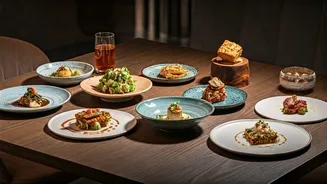
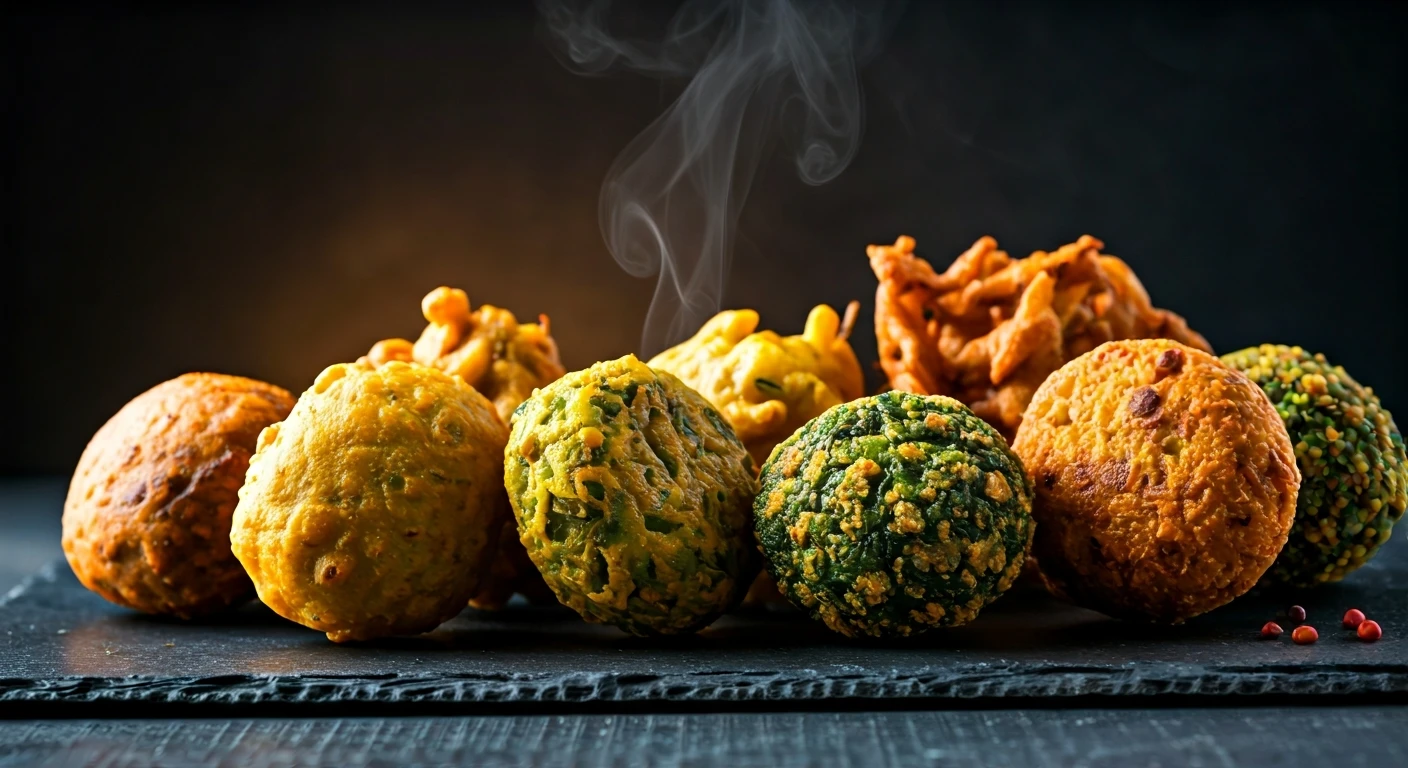
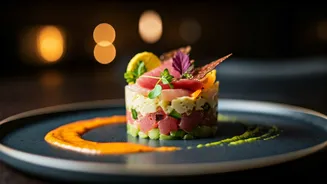
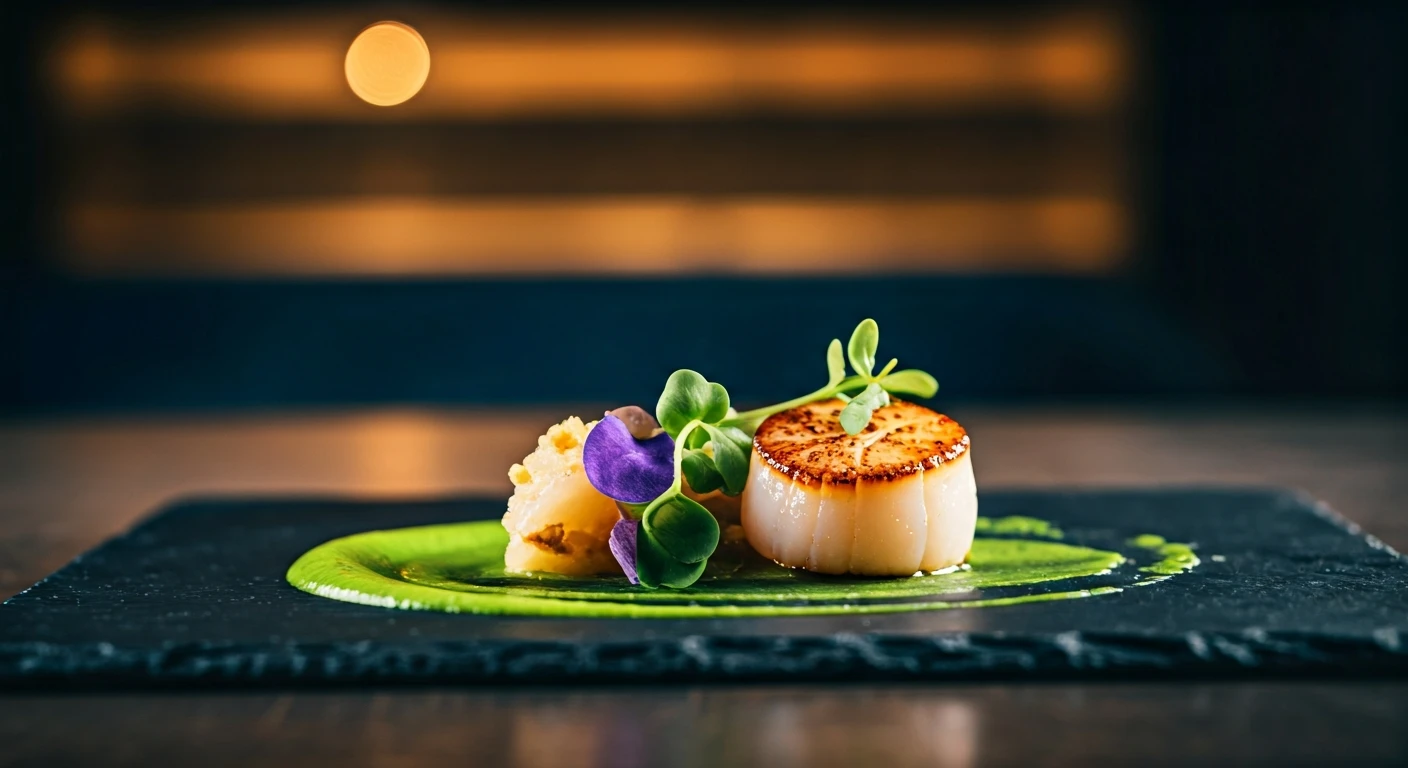
It’s impossible to overstate the role of social media, particularly Instagram, in this trend. A restaurant's success is now often directly correlated to its visual appeal. Food presentation has escalated into an art form: think deconstructed samosas, smoke-infused cocktails, and desserts that look like miniature sculptures. The space itself is a backdrop. The result is a powerful, free marketing engine, driven by customers who willingly become brand ambassadors every time they post a photo or story.
This has created a virtuous cycle for visually driven restaurants and a major challenge for older, more traditional establishments. It’s no longer enough for the food to taste good. It must also look good on a 6-inch screen. This digital-first mindset is forcing the entire industry, from small independent cafes to large legacy chains, to rethink their approach to design, presentation, and marketing.
A Blueprint for Global Brands
For American and international brands looking at the Indian market, this trend is both a warning and an opportunity. Simply exporting a successful Western concept is no longer a guaranteed path to success. The market is sophisticated and demands more. To win, brands must understand the deep-seated need for experience, personal expression, and digital shareability.
This means investing in store design, localizing menus in creative ways, and building a community around the brand. The playbook being written in India's food scene—where authenticity, storytelling, and visual appeal trump pure convenience—is likely a preview of what’s to come in other emerging economies. It's a clear signal that the future of consumerism isn't just about what you sell, but the world you build around it.