






Meet 'Longevity Fitness'
If you’re looking for a single buzzy name, you might miss it. This isn't about CrossFit, P90X, or a new spin on Pilates, though it might include elements of them. The trend that’s cementing its place in our routines is best described as “longevity fitness.”
It’s a move away from the high-intensity, aesthetic-driven, “crush your goals” mentality of the 2010s and toward a more sustainable, healthspan-focused approach. The central question is no longer, “How can I get a six-pack in six weeks?” but rather, “How can I move well, feel good, and stay injury-free for the next 40 years?” This philosophy prioritizes consistency over intensity, function over form, and internal health over external appearance.
Pillar 1: Functional Strength Training
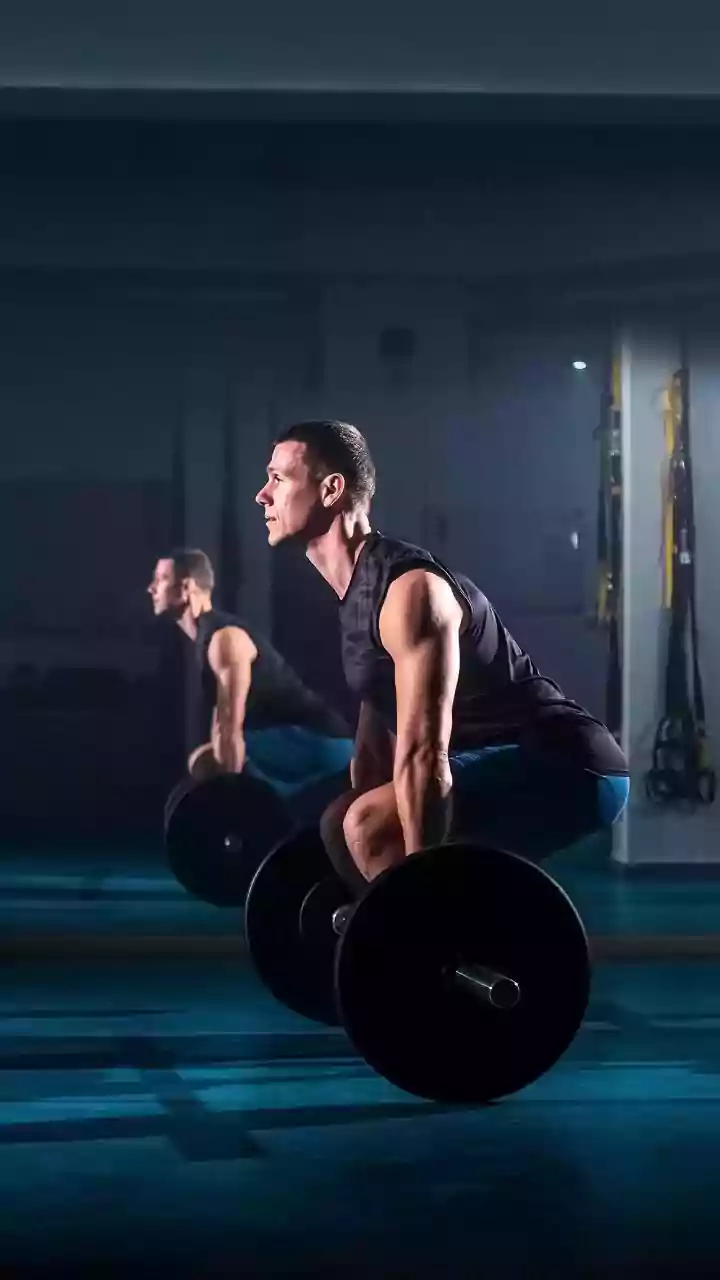
The first pillar of longevity fitness is strength training, but not necessarily for massive biceps. This is about building and maintaining muscle mass for practical, everyday life. Think about the strength needed to pick up a toddler, carry heavy groceries, or put a suitcase in an overhead bin without tweaking your back. This approach focuses on compound movements—squats, deadlifts, presses, and rows—that mimic real-world activities. The goal is to improve bone density, which declines with age, and maintain metabolic health. It’s about building a sturdy, resilient body that can handle life’s physical demands, making it a habit people are far more likely to stick with long-term than a punishing, purely aesthetic routine.
Pillar 2: The Rise of Slow Cardio
For years, High-Intensity Interval Training (HIIT) was king. The “go all-out for 30 seconds” approach promised maximum results in minimum time. While effective, it also led to burnout, overtraining, and injuries for many. The new cornerstone of cardio is much gentler: Zone 2 training. This is low-intensity, steady-state cardio performed at a conversational pace—think a brisk walk, a light jog, or a relaxed bike ride where you can still hold a conversation. Popularized by longevity experts like Dr. Peter Attia, Zone 2 cardio is crucial for improving mitochondrial function, boosting endurance, and enhancing metabolic flexibility. It’s less intimidating, easier on the joints, and something people can do for hours a week without feeling wrecked, making it the ultimate sustainable cardio practice.
Pillar 3: A Focus on Stability and Mobility
The third, often-overlooked piece of the puzzle is the work that happens between the big lifts and long cardio sessions. Longevity fitness places a massive emphasis on stability, balance, and mobility. As we age, the risk of falls and the injuries they cause increases dramatically. Activities like yoga, Pilates, and dedicated mobility routines are no longer seen as just a “nice to have” or a gentle alternative; they are integral components of a well-rounded program. These practices improve joint health, increase range of motion, and enhance the mind-body connection, helping to prevent the aches, pains, and injuries that derail so many fitness journeys. It’s proactive self-care, baked right into the workout plan.
Why This Shift Is Permanent
This isn’t just another fad because it’s not driven by a celebrity endorsement or a clever marketing campaign. It’s a cultural shift rooted in deeper changes. An aging millennial population is now more concerned with preventing decline than with chasing peak performance. The pandemic forced a collective re-evaluation of health, shifting the focus from looking good to feeling resilient. And thanks to podcasts, books, and a wealth of online resources, everyday people are more educated about exercise science than ever before. They understand that the all-or-nothing approach is a recipe for failure. The move toward longevity fitness is a sign of maturity—a collective realization that the best workout is the one you can do consistently, happily, and for the rest of your life.