
The Story in Every Object
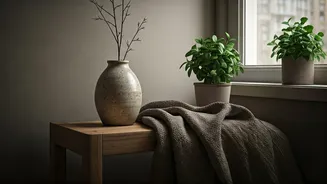
A mass-produced vase from a big-box store has no story. It was one of thousands stamped out by a machine, its journey from factory to shelf efficient and anonymous. Now, consider a ceramic pot you bought from an artist at a local market. You remember
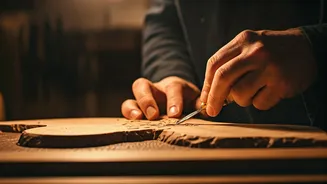
the conversation you had, the feel of the glaze under your thumb, the way the sun hit their stall. That pot is no longer just a container for flowers; it’s a repository of a memory, a connection to a real person. This is the core magic of handmade decor. Whether it's a quilt stitched by your grandmother, a painting from a vacation, or a wooden bowl you carved yourself, each piece carries a narrative. These objects aren't just filling space—they're telling the story of your life. They are physical reminders of people, places, and moments, transforming a house from a collection of things into a deeply personal sanctuary.
The Beauty of Perfect Imperfection
In a world obsessed with precision and flawlessness, handmade items celebrate the beauty of the human hand. The Japanese have a term for this: wabi-sabi, the art of finding beauty in imperfection and transience. A hand-thrown mug might have a slight wobble. A hand-knotted rug might feature an uneven stitch. A watercolor painting shows the artist's brushstrokes. These aren't defects; they are marks of authenticity. They are proof that a human being, not a machine, created the object. This slight irregularity is comforting to our eyes and our souls. It breaks the monotony of perfectly straight lines and manufactured symmetry that dominates modern life. These imperfections make an object unique. There may be others like it, but this one—with its specific quirks—is yours alone. It creates a visual and tactile richness that sterile, mass-produced items can never replicate, making a room feel more organic, relaxed, and approachable.
A Direct Connection to Humanity
Choosing handmade decor is an act of connection. When you purchase from an independent maker, you're not just acquiring an item; you're supporting a person's passion, skill, and livelihood. You become a patron of the arts in a small but meaningful way. This creates a more conscious and intentional relationship with the objects we bring into our homes. Instead of participating in a faceless global supply chain, you are fostering a local or creative economy. This connection also extends to items you make yourself. The act of creating—whether it's knitting a blanket, framing your own photography, or potting a plant in a decorated pot—infuses your energy and time directly into your environment. Every time you see that object, you're reminded of your own capability and creativity. This personal investment is the ultimate way to make a space feel not just lived-in, but truly your own.
Beyond a Fleeting Aesthetic
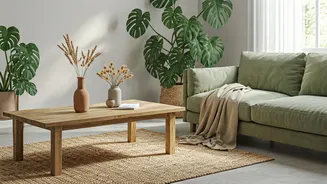
It's easy to dismiss handmade decor as part of a fleeting trend—the 'Etsy aesthetic' of macrame wall hangings and artisan candles. While those items have certainly had their moment, the principle behind them is timeless. The goal isn't to create a home that looks like a specific Pinterest board, but to curate a space that genuinely reflects you. The power of handmade isn't tied to a particular style, be it boho, minimalist, or rustic. A sleek, hand-blown glass sculpture can be just as impactful in a modern apartment as a rustic, reclaimed-wood coffee table is in a country home. The key is to seek out pieces that resonate with your personal story and taste. It’s about moving beyond trends and consumption for consumption’s sake. Instead, it’s about slowly and thoughtfully gathering objects that hold meaning, spark joy, and contribute to the unique narrative of your home.