
More Than Just Pretty Petals
For years, travel was trending toward extremes: more countries, more miles, more adrenaline. But in the wake of a global pause, a different kind of trip is gaining traction. Flower-season travel, or 'bloom tourism,' is the act of planning a vacation specifically
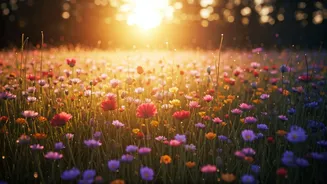
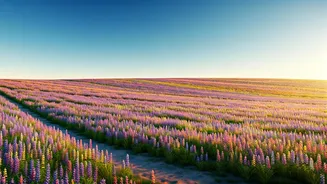
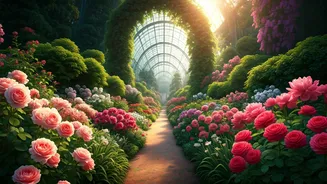
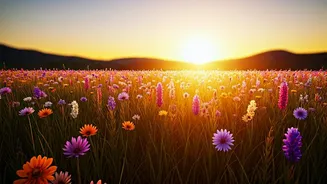
around the ephemeral, magnificent spectacle of flowering plants. This isn't just a quick stop at a botanical garden; it’s a pilgrimage. Travelers are booking flights and rental cars months in advance to catch the fleeting magic of California’s 'superblooms,' the delicate blush of Washington, D.C.’s cherry blossoms, or the rainbow-striped fields of Washington's Skagit Valley Tulip Festival. What makes this a 'gentle moment' is the ethos behind it. It’s less about conquering a destination and more about surrendering to a natural rhythm—one that operates on its own schedule, indifferent to our demands.
The Roots of the Bloom Boom
So why now? The trend is a quiet rebellion against the chaos of the last few years. After the intensity of the pandemic and the subsequent frenzy of 'revenge travel'—a term that itself sounds exhausting—many are seeking solace, not stimulation. This gentle travel taps into the broader wellness and mindfulness movements that have permeated American culture. It offers a tangible way to practice being present. You can't rush a bloom, and you can't experience it through a screen in the same way. It requires you to show up, be patient, and pay attention. Social media plays a dual role. While the desire for that perfect, flower-filled photo is a powerful motivator, platforms like TikTok and Instagram have also popularized aesthetics like 'cottagecore' and 'soft living,' which celebrate slow, nature-centric, and domestically-grounded joys. Chasing blooms fits perfectly into this idealized vision of a simpler, more beautiful existence.
America's Most Wanted Blooms
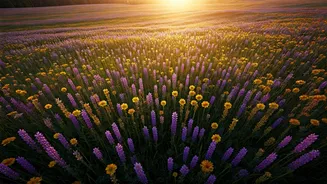
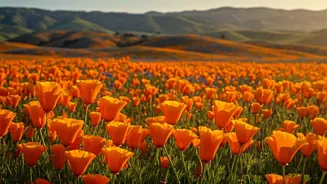
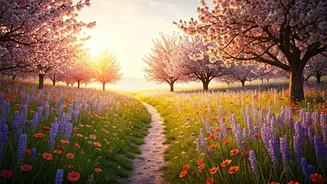
This isn't a niche hobby; it's a nationwide phenomenon with distinct regional highlights. In California, a wet winter can trigger a 'superbloom,' a rare event where vast landscapes of desert erupt in a riot of colorful wildflowers, drawing visitors from across the globe to places like Antelope Valley California Poppy Reserve or Anza-Borrego Desert State Park. On the East Coast, the National Cherry Blossom Festival in Washington, D.C., is an iconic rite of spring, with the delicate pink and white blossoms framing the capital's monuments. In the Pacific Northwest, the Skagit Valley Tulip Festival transforms acres of farmland into a breathtaking mosaic reminiscent of Holland. Further south, the highways of Texas Hill Country are lined with deep bluebonnets, creating a cultural touchstone that has its own dedicated hotlines and tracker websites. Each event is a reminder of the unique and stunning botanical diversity across the country.
How to Travel Gently
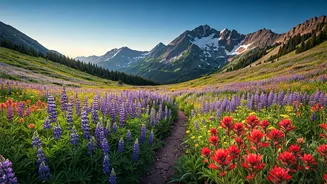
The irony of a gentle travel trend is that its popularity can threaten the very thing it celebrates. The surge of visitors to delicate ecosystems requires a mindful approach. To participate responsibly, the mantra is to travel gently. This means sticking to designated paths to avoid trampling fragile plants—a common issue during superblooms. It means practicing 'Leave No Trace' principles by packing out everything you bring in. Consider visiting on a weekday to avoid the largest crowds, which not only eases the strain on the environment but also enhances your own serene experience. Supporting the local community by visiting small cafes, shops, and farmers' markets is another way to ensure your tourism has a positive impact. The goal is to be a witness to the beauty, not a disruptor of it.