
The Centerpiece Carrot
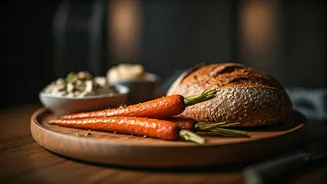
You see it on the menu: “Hearth-Roasted Carrots.” It sounds simple, rustic. But what arrives at your table is anything but. The carrots are artfully arranged on a bed of whipped feta, drizzled with hot honey, and sprinkled with pistachios and dill. A
single, humble vegetable has been transformed into a photogenic, shareable centerpiece. This is the new playbook for modern American restaurants. From a whole head of cauliflower roasted and served like a steak to a block of feta baked in a cast-iron skillet with herbs and bubbling tomato confit, chefs are elevating low-cost, simple ingredients into show-stopping, premium-priced dishes meant for the middle of the table. It’s a phenomenon that goes beyond the “small plates” trend of the 2010s; this is about making the mundane magnificent and, crucially, shareable.
Designed for the Feed
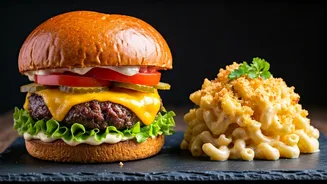
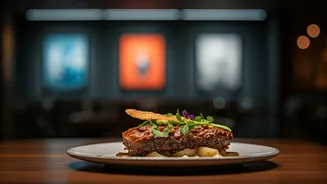
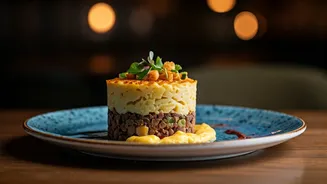
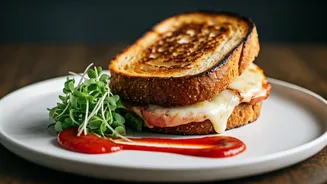
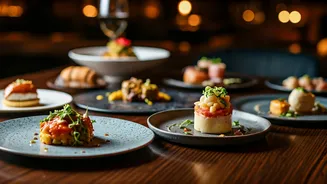
The most obvious driver behind this trend is the phone in your pocket. In the age of Instagram, every diner is a potential food photographer and every dish is a potential advertisement. A beautiful, dramatic plate is free marketing. A boring-looking (even if delicious) stew or brown sauce might satisfy the palate, but it doesn't pop on a social media feed. Restaurants know this. Chefs and restaurateurs now consciously design dishes with their visual appeal in mind. They consider color, texture, height, and the type of plate or vessel it’s served in. A dramatic, shareable dish—like a “pull-apart” loaf of bread scored and stuffed with cheese and herbs—is far more likely to be photographed and posted than a traditional basket of rolls. This creates a viral loop: you see a stunning dish on your friend's feed, you want to experience it, you go to the restaurant, and you post your own photo, perpetuating the cycle.
The Psychology of Sharing
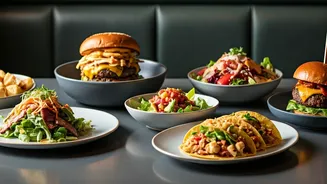
This isn't just about looks; it's about changing how we eat. Ordering several large, individual entrées can feel formal and siloed. A table filled with shareable plates, however, feels communal, interactive, and less rigid. It encourages conversation and a collective experience. There’s a lower barrier to entry; instead of committing to one $30 entrée, you and your friends can agree on a few $15-$20 plates. But this is also a clever bit of menu psychology. When no single dish constitutes a full meal, the impulse is to keep ordering. “Should we get one more?” is the common refrain. This often leads to a higher total bill than if everyone had just ordered their own main course. The “shareable” format loosens the wallet by framing spending as a collaborative, piecemeal decision rather than a single large one.
The Genius of Menu Economics
Herein lies the business genius of the trend. What do carrots, cabbage, potatoes, and bread have in common? They are incredibly inexpensive ingredients for a restaurant to purchase. A whole head of cauliflower might cost the restaurant a dollar or two. But when it’s roasted, theatrically presented with a romesco sauce and toasted almonds, and branded as a “Cauliflower Steak,” it can command a $22 price tag. That is an enormous profit margin. By applying culinary technique and thoughtful presentation to these humble items, restaurants create perceived value where the raw food cost is minimal. It’s far more profitable than selling a piece of high-quality fish or steak, which have much higher initial costs. This allows kitchens to be creative and profitable simultaneously, turning the most overlooked parts of the pantry into the stars of the show.