


The Cult of Clean vs. The Joy of Complexity
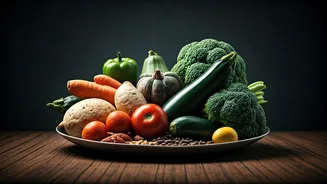
Modern Western wellness culture often operates on a principle of subtraction. It’s defined by what you don’t eat: no gluten, no dairy, no sugar, no carbs. Meals are broken down into a joyless equation of protein, fiber, and fat, with flavor as an afterthought.
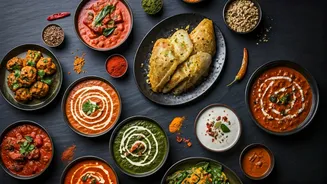
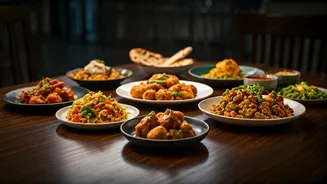
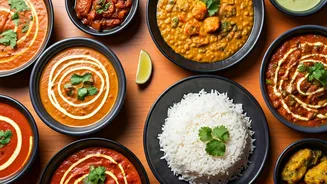
The goal is “clean eating,” a term that implies other ways of eating are somehow dirty or morally suspect. This approach turns food from a source of cultural connection and sensual pleasure into a clinical, individualistic pursuit of optimization. In stark contrast, regional Indian cooking is a philosophy of joyous maximalism. It’s about addition, layering, and balance. A single dish might involve a dozen or more spices, each contributing to a complex whole that is far greater than the sum of its parts. There is no fear of carbohydrates (rice and bread are staples), healthy fats (ghee and coconut oil are celebrated), or sugar (jaggery provides earthy sweetness). The focus is on creating a satisfying, holistic experience that nourishes the body and the soul, rather than simply fueling a machine.
A Symphony in a Spice Box
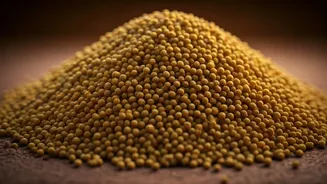
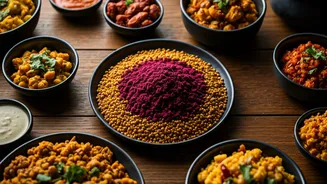
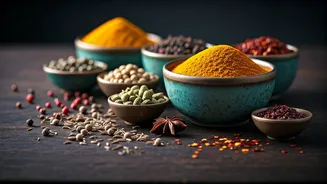
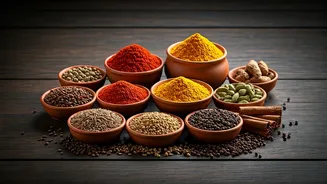
The secret weapon in this culinary “defeat” is the masala dabba, or spice box, found in virtually every Indian kitchen. Where a typical “healthy” Western recipe might call for salt, pepper, and maybe a dash of garlic powder, an Indian dish begins with a symphony. It’s the earthy foundation of turmeric, the warmth of cumin and coriander, the sharp kick of mustard seeds blooming in hot oil, the sweet perfume of cardamom, and the slow, building heat of chilies. Spices aren’t just for flavor; in Ayurvedic tradition, they are chosen for their digestive and balancing properties. Ginger aids digestion, turmeric is a powerful anti-inflammatory, and fenugreek helps regulate blood sugar. This is health integrated into flavor, not separated from it. The Western wellness equivalent is often a bland protein shake with a scoop of unflavored “superfood” powder—a pale imitation of food as medicine.
Beyond a Single Monolithic 'Curry'
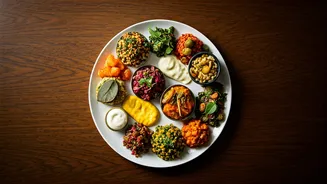
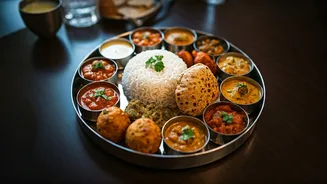
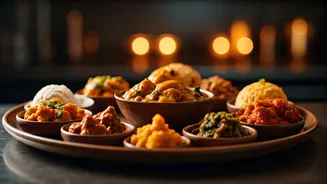
Part of the problem is the West’s long-standing, reductive view of “Indian food” as a single entity, usually summarized by the word “curry.” But there is no single Indian cuisine. There are dozens. To say you’re eating “Indian” is as meaningless as saying you’re eating “European.” Are you having the coconut-laced seafood stews of Kerala? The fiery, vinegar-spiked pork vindaloo of Goa? The delicate, mustard-oil-infused fish of Bengal? Or perhaps the rich, dairy-forward lentil dishes and robust breads of Punjab? Each region has its own climate, history, and agricultural staples, resulting in radically different flavor profiles. A vegetarian Gujarati thali, with its array of sweet, sour, and savory small dishes, offers a completely different experience from a smoky, meat-heavy Wazwan feast from Kashmir. This staggering diversity provides a universe of flavors to explore, making the repetitive cycle of grilled chicken and steamed broccoli seem even more monotonous.
Redefining a Healthy Relationship with Food
Ultimately, the triumph of regional Indian flavors is about redefining our very idea of what it means to eat well. The Western wellness model often fosters a fraught, anxiety-ridden relationship with food, where every bite is laden with guilt or virtue. It’s a lonely path of restriction and deprivation in the name of a narrowly defined physical ideal.
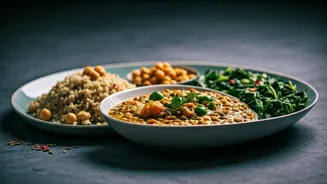
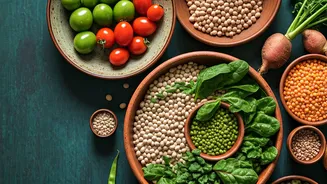
The Indian approach, by contrast, centers on community, pleasure, and balance. Food is meant to be shared. A meal should satisfy all six tastes recognized in Ayurveda—sweet, sour, salty, bitter, pungent, and astringent—to create a sense of contentment and prevent cravings. It naturally incorporates vast amounts of vegetables, lentils, and legumes, not as a sad substitute for something better, but as the delicious stars of the show. This is a model for a sustainable, joyful, and truly healthy relationship with food, one that doesn’t require you to sacrifice flavor to feel good.