


Meet the New Food Villain: UPFs
To understand why simplicity is suddenly in vogue, you first have to meet the villain of this story: the Ultra-Processed Food, or UPF. This isn't just about food with a long ingredient list. The term comes from the NOVA classification system, a framework
developed by Brazilian researchers that sorts food by its level of industrial processing. At the top of the scale, UPFs are substances made from cheap industrial ingredients, often manipulated with additives to be hyper-palatable. Think of most packaged snacks, sugary cereals, chicken nuggets, and sodas. They're not just 'junk food'; they are industrially formulated products designed for massive shelf-life and profitability. Researchers like Dr. Chris van Tulleken, author of "Ultra-Processed People," argue these aren't really 'food' in the traditional sense but edible products that can disrupt our body's natural appetite signals and contribute to a host of health issues.
The Science Behind Simplicity
The 'science-backed' part of this trend is the mountain of research linking high consumption of UPFs to increased risks of obesity, heart disease, type 2 diabetes, and even depression. A landmark study from the National Institutes of Health found that people on a UPF-heavy diet ate about 500 more calories per day and gained more weight compared to those eating an unprocessed diet, even when the meals were matched for nutrients like sugar, fat, and carbs. The takeaway isn't just that UPFs are 'bad.' It's that whole or minimally processed foods—the building blocks of simple meals—are demonstrably better for us. These foods work with our bodies, promoting a healthy gut microbiome and providing nutrients in their natural state. The science validates what many have long suspected: food that looks like it came from a farm, not a factory, is fundamentally better for our health.
The 'Cool Tag' Isn't a Slogan
The new 'cool tag' for simple meals isn't a clever marketing term or a celebrity-endorsed diet plan. Instead, the status comes from the act of rejecting the ultra-processed system. Cooking a simple meal from scratch is becoming a quiet statement. It signals an awareness of food science and a conscious choice to prioritize well-being over convenience. In a world of confusing health claims and complex wellness fads—from keto to carnivore—the return to simplicity feels refreshingly straightforward and empowering. It's a form of knowledge-based consumption. Knowing the difference between a processed cracker and a whole-grain one, or choosing to make a vinaigrette from oil and vinegar instead of buying a bottled dressing loaded with emulsifiers, is the new form of food sophistication. It’s less about performative cheffing and more about thoughtful sourcing and assembly.
How to Embrace Minimalist Eating
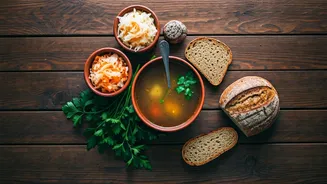
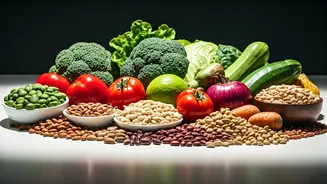
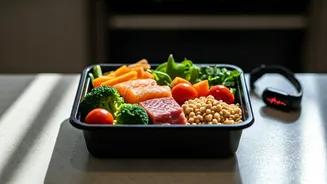
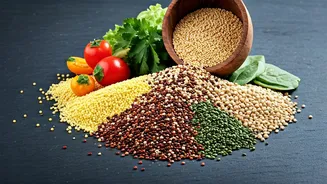
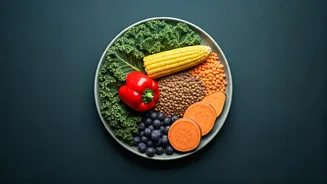
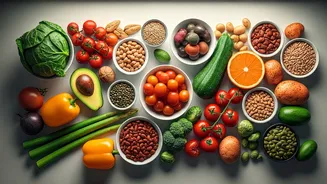
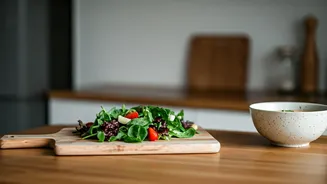
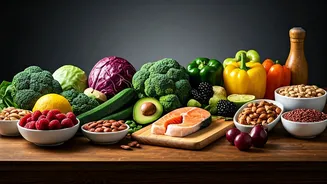
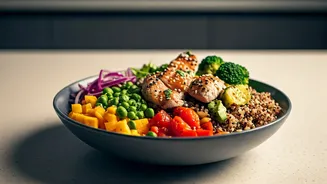
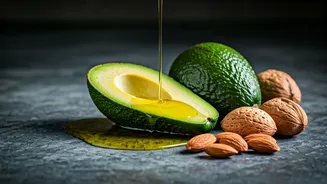
Adopting this mindset doesn't require a radical pantry overhaul or culinary school. It's about shifting the center of gravity of your diet. Start by focusing on what to add, not just what to subtract. Add more single-ingredient foods: fruits, vegetables, eggs, legumes, meat, and fish. The goal isn't purity; it's proportion. Can you make 80% of your diet minimally processed? The beauty of this approach is its flexibility. A simple meal can be a baked sweet potato with a dollop of Greek yogurt, a plate of sliced tomatoes with olive oil and salt, or scrambled eggs with spinach. It reframes cooking not as a chore or a competitive sport, but as a basic act of self-care. It puts you back in control, turning your kitchen into a sanctuary from the overwhelming noise of the modern food environment.