







Let the Light In
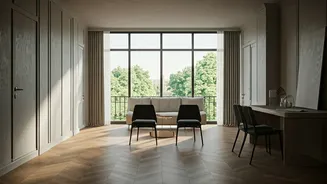
The single most defining feature of an airy home is an abundance of natural light. Large windows, skylights, and glass doors do more than just save on electricity bills; they are fundamental to our well-being. Exposure to natural light helps regulate
our circadian rhythms, which control our sleep-wake cycles. A well-lit space can improve sleep quality, boost energy during the day, and stave off the grogginess that often accompanies burnout. Furthermore, sunlight is a proven mood booster. It triggers the brain's release of serotonin, a hormone that helps us feel calm and focused, and can play a significant role in warding off the symptoms of seasonal affective disorder (SAD), a common issue in cities with long, dark winters.
Embrace Negative Space
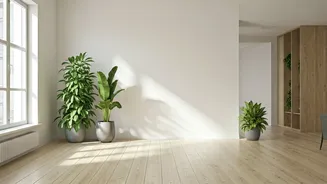
City living often means compromising on space. We cram our lives into smaller apartments, leading to physical and visual clutter. An airy home, by contrast, champions negative space—the empty areas around furniture and objects. This isn't about stark minimalism, but about giving your mind room to breathe. Psychologically, clutter is a manifestation of unfinished business and has been linked to increased levels of the stress hormone cortisol. When our environment is chaotic, our minds often follow suit. High ceilings and open-concept layouts create a sense of vastness and freedom, a powerful counterpoint to the feeling of being boxed in by urban density. By intentionally curating fewer, more meaningful possessions and allowing for open pathways, you reduce cognitive load and create a visually restful sanctuary.
Connect with Nature
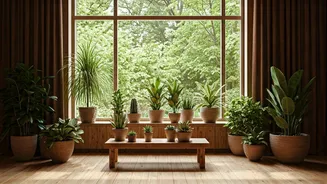
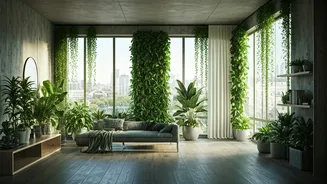
You don't need a backyard to benefit from biophilic design—the practice of incorporating nature into the built environment. Airy homes often feature a seamless transition between indoors and out, whether through a patio, a balcony, or simply a large window overlooking a park. Studies have shown that even looking at images of nature can lower blood pressure and reduce stress. Incorporating natural materials like wood, stone, and linen grounds the space and provides a tactile connection to the organic world. The simplest way to achieve this is with houseplants. Tending to plants is a meditative act, and their presence improves air quality while adding a touch of living beauty that soothes the soul after a long day navigating concrete jungles.
Adopt a Calming Palette
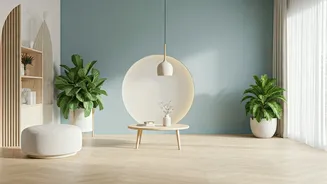
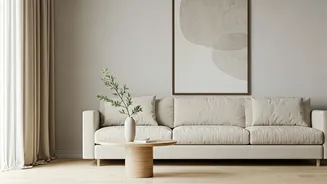
Color has a profound effect on our mood. While vibrant hues can be energizing, an airy home typically leans on a neutral and light color palette for its walls and large furnishings. Shades of white, soft gray, beige, and muted blues or greens create a tranquil backdrop. These colors reflect light, making a space feel larger and more open. They are visually quiet, providing a respite from the constant sensory bombardment of advertisements, traffic lights, and screens that define city life. A neutral base doesn't have to be boring; texture is key. A nubby wool rug, a smooth ceramic vase, and a soft linen throw in similar tones can create a rich, layered environment that feels serene rather than sterile.
How to Fake It in a Small Space
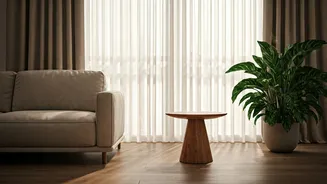
Not everyone can move into a home with 20-foot ceilings and floor-to-ceiling windows, but the principles of airiness can be applied anywhere. Start by decluttering ruthlessly. Use mirrors strategically to bounce light and create an illusion of depth. Paint your walls a light, reflective color—even a simple coat of bright white can be transformative. Swap heavy, dark curtains for sheer, breezy ones that let light filter through. Finally, invest in good lighting. If natural light is scarce, use layered artificial lighting—a mix of overhead, task, and ambient lamps—with bulbs that mimic the warmth of daylight. These small adjustments can help any home, no matter its size, become a restorative escape from the city outside.