




The Rise of the ‘Micro-Workout’
All across India’s bustling tech hubs and creative centers, a quiet revolution is taking place between client calls and deadline sprints. Freelancers—from graphic designers in Bangalore to content writers in Delhi—are increasingly swapping passive screen
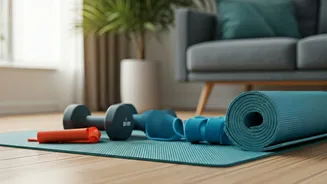
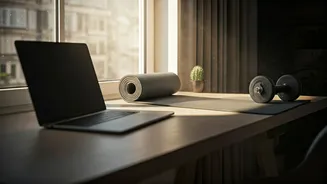
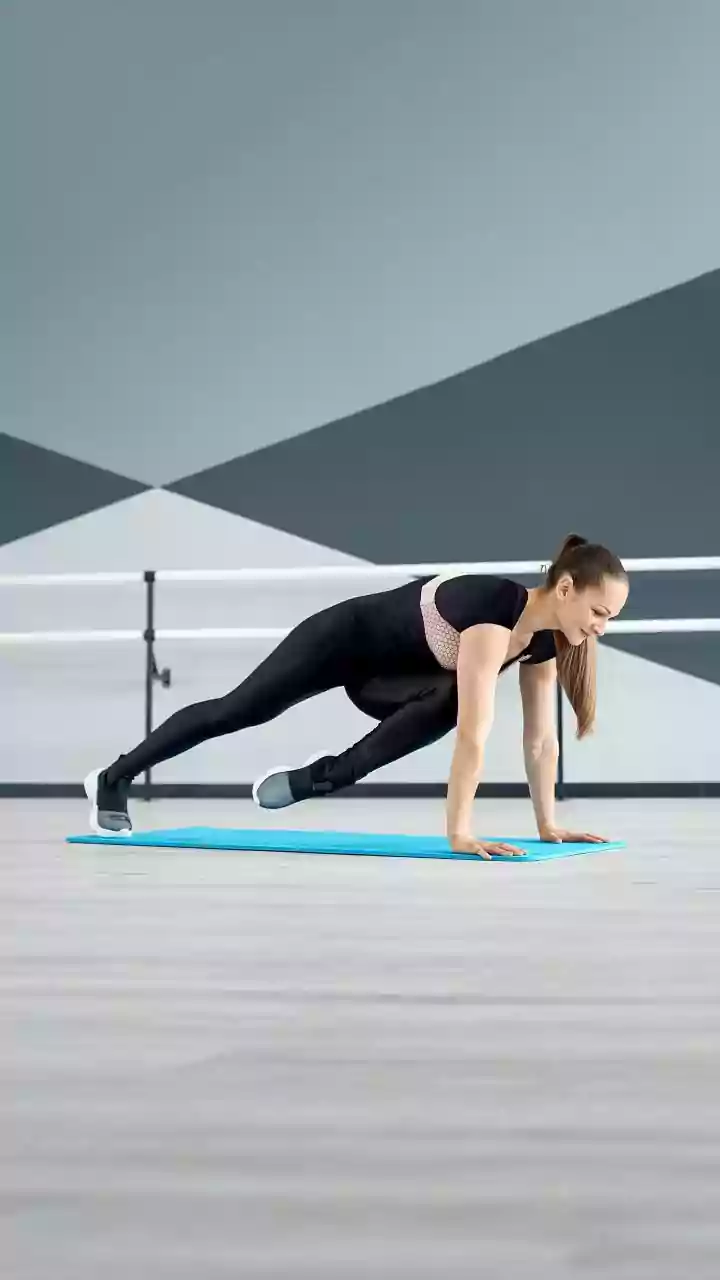
breaks for active physical ones. Forget scrolling through social media; the new ten-minute reprieve involves a set of push-ups, a quick yoga flow guided by a YouTube video, or a brisk walk around the block. It’s a phenomenon born from necessity. The freelance life, often romanticized for its freedom, comes with its own unique set of challenges: intense isolation, the pressure of a constantly fluctuating income, and the physical toll of a sedentary existence hunched over a laptop. These ‘micro-workouts’ are a direct, pragmatic response. They are not about training for a marathon but about punctuating a long, unstructured day with moments of structured, physical release.
An Antidote to Gig Economy Burnout
India is home to one of the world's largest and fastest-growing gig economies, with millions of workers choosing or being pushed into independent work. While this offers flexibility, it also fuels a culture of hyper-availability and intense competition. Without the clear boundaries of a 9-to-5 office job, the workday can easily bleed into personal time, leading to high rates of stress and burnout. In this high-stakes environment, fitness is becoming less of a hobby and more of a critical business tool. Regular physical activity is a proven method for managing stress, improving focus, and boosting overall cognitive function. For a freelancer whose livelihood depends entirely on their mental sharpness and creative output, a twenty-minute workout can be a strategic investment. It’s a way to reset the brain, shake off the anxiety of an impending deadline, and return to the desk with renewed energy and clarity. This isn’t just self-care; it’s career preservation.
How Flexibility and Tech Fuel the Trend
This shift is enabled by the very things that define the modern freelance experience: autonomy and technology. Unlike an office worker who might feel self-conscious doing lunges by the water cooler, a freelancer has the privacy of their own home. Their schedule is their own to command. That flexibility allows them to listen to their body’s needs—taking a break to stretch when their back aches or going for a run to clear their head after a frustrating client interaction. Technology acts as the facilitator. A smartphone becomes a personal trainer, with countless apps offering guided workouts tailored to any time constraint or fitness level. The ubiquity of high-speed internet brings world-class yoga instructors and fitness coaches into the living room via YouTube and specialized platforms. This combination of autonomy and accessible tech removes the traditional barriers to fitness, like gym commutes and expensive memberships, making it easy to integrate into the workday.
A New Blueprint for Work-Life Balance
What’s happening in India may offer a glimpse into the future of work for a global audience, especially as remote and hybrid models become more common in the U.S. and elsewhere. The trend reframes the idea of a ‘break’ not as a moment of idleness but as an opportunity for active recovery and personal investment. It challenges the old paradigm of work and life as two separate, often conflicting, spheres. Instead, it proposes a more fluid integration where taking care of your physical and mental well-being is not a distraction from work but a core component of a sustainable and productive career. For freelancers, who are essentially the CEOs of their own one-person enterprises, managing their own health and energy is as crucial as managing their finances and client relationships. This movement is about building resilience, reclaiming control in a precarious profession, and designing a workday that supports not just professional success, but human well-being.