



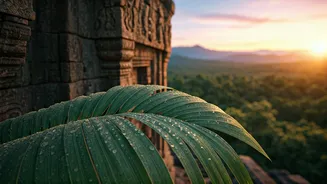

A Kingdom of Ghosts and Tigers
Forget the wide, grassy savannas of an African safari brochure. Ranthambore National Park, nestled in the Sawai Madhopur district of Rajasthan, India, is a different beast entirely. The landscape is a dramatic tapestry of dry deciduous forest, rocky crags,
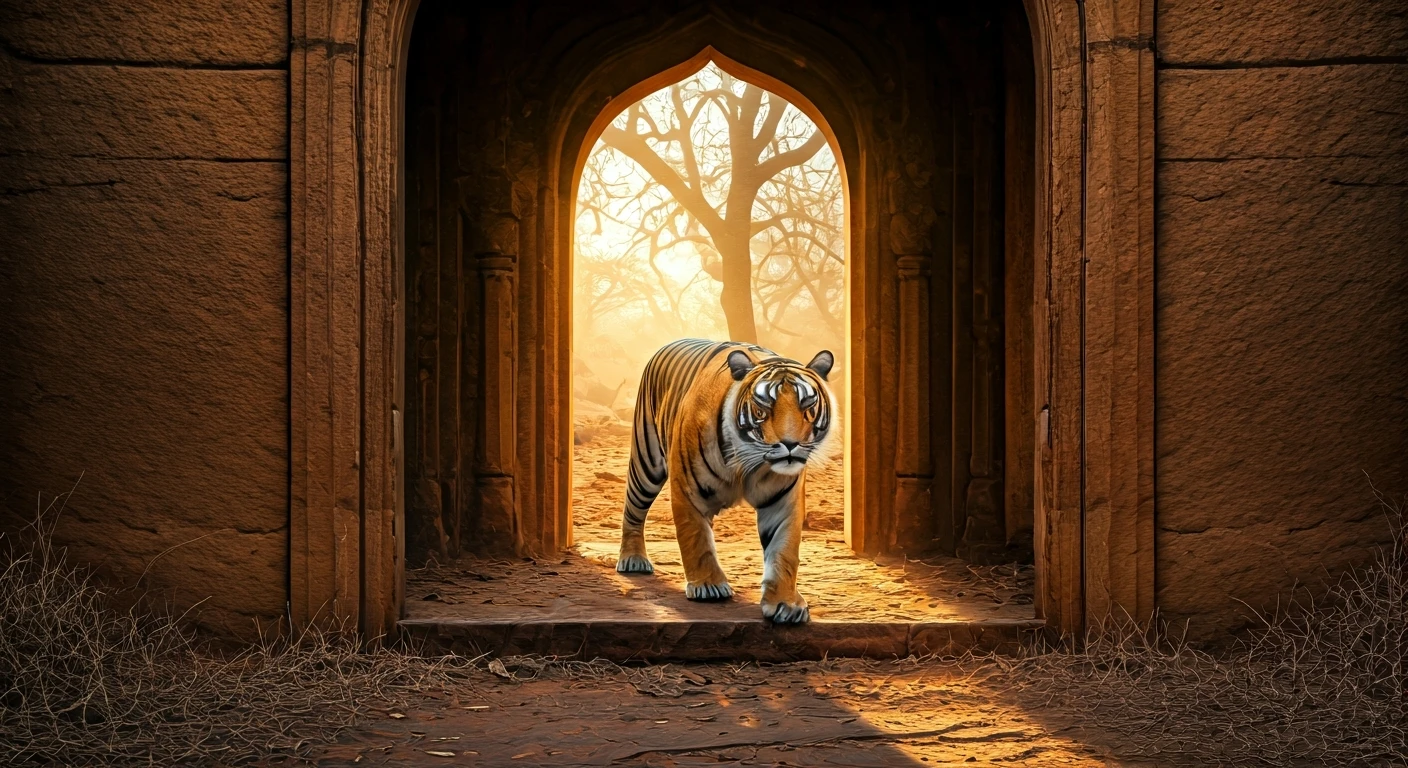
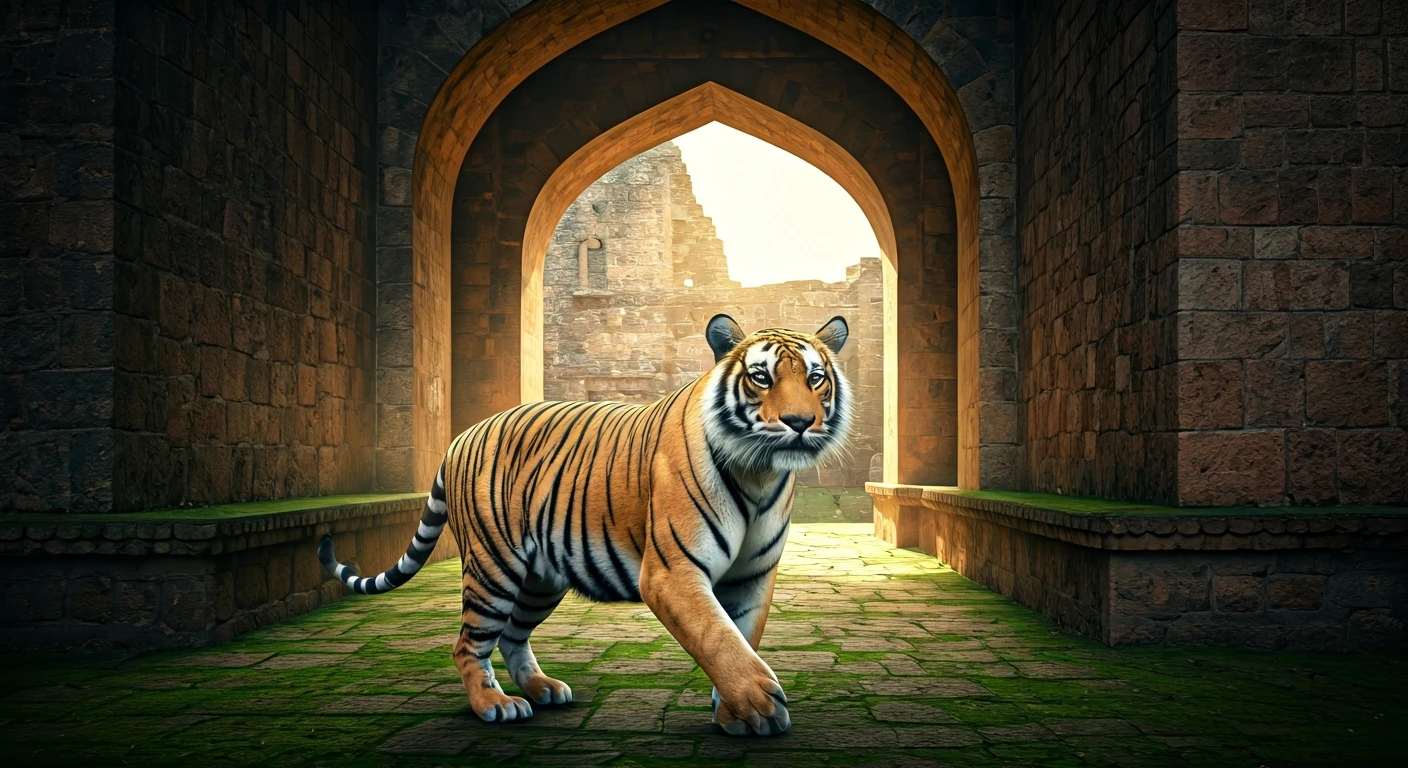
and serene lakes, all unfolding around the ruins of a formidable 10th-century fort. Ancient banyan trees wrap their roots around crumbling stone pavilions, forgotten cenotaphs stand silent guard over watering holes, and centuries-old temple domes peek through the canopy. Driving through its dusty tracks feels less like a simple wildlife excursion and more like an expedition into a lost world. You’re tracking one of the planet’s most powerful predators in the shadow of fallen dynasties. The atmosphere is thick not just with the calls of peacocks and monkeys, but with the weight of history.
From Royal Hunting Ground to Conservation Icon
The profound sense of history isn't just scenery; it’s central to Ranthambore’s identity. For centuries, these forests were the exclusive hunting grounds of the maharajas of Jaipur. They came here not for conservation but for sport, pursuing tigers with lavish pomp and ceremony. The very paths your safari vehicle now rumbles down were once traversed by royal entourages on elephant-back. The irony is potent. The same wilderness that once symbolized aristocratic power and conquest is now one of India’s most famous tiger sanctuaries, a flagship of Project Tiger, the nation’s ambitious conservation program launched in 1973. This transformation adds a layer of complexity to every sighting. The tiger you see is not just a magnificent animal; it’s a symbol of a reclaimed wilderness, a survivor thriving in a land once dedicated to its demise.
The Thrill of an Unpredictable Chase
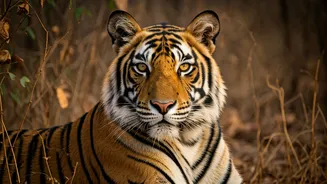
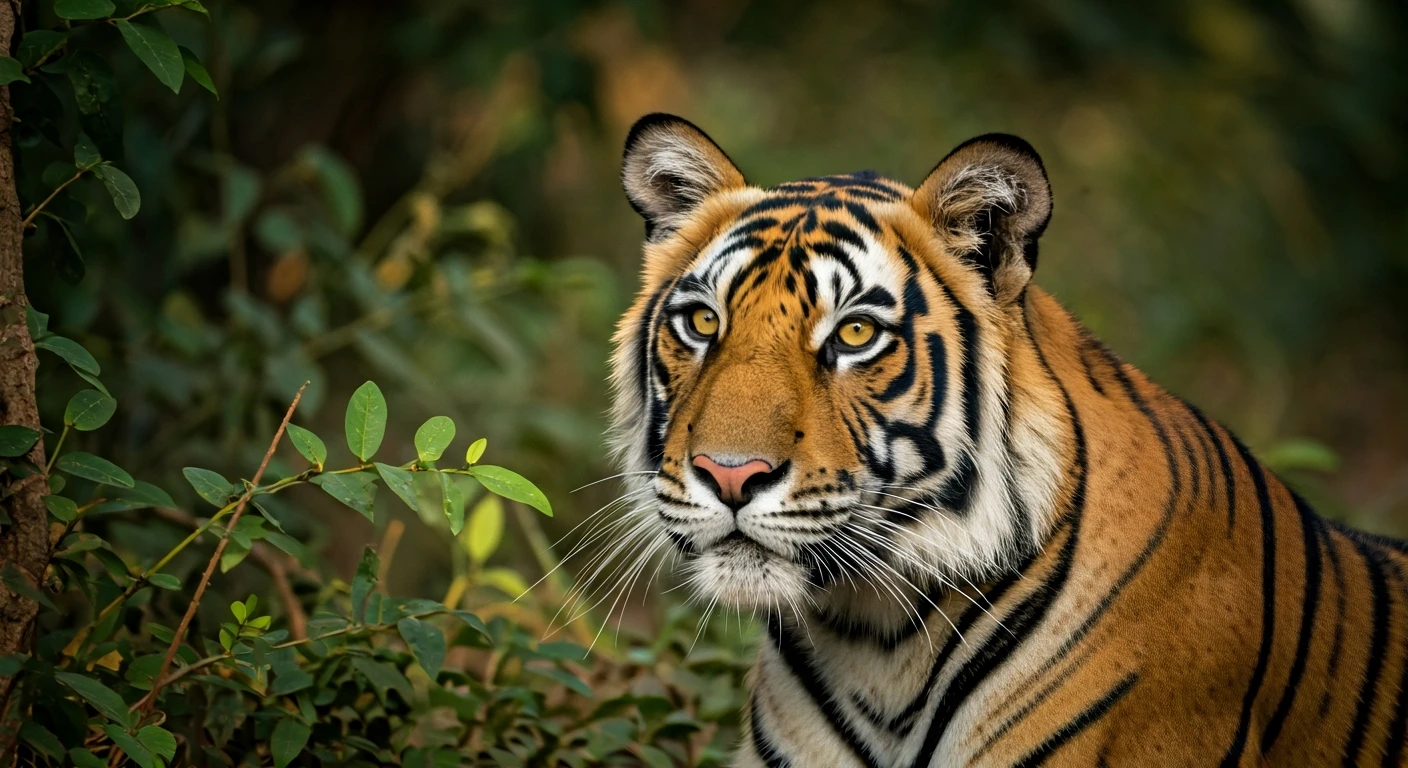
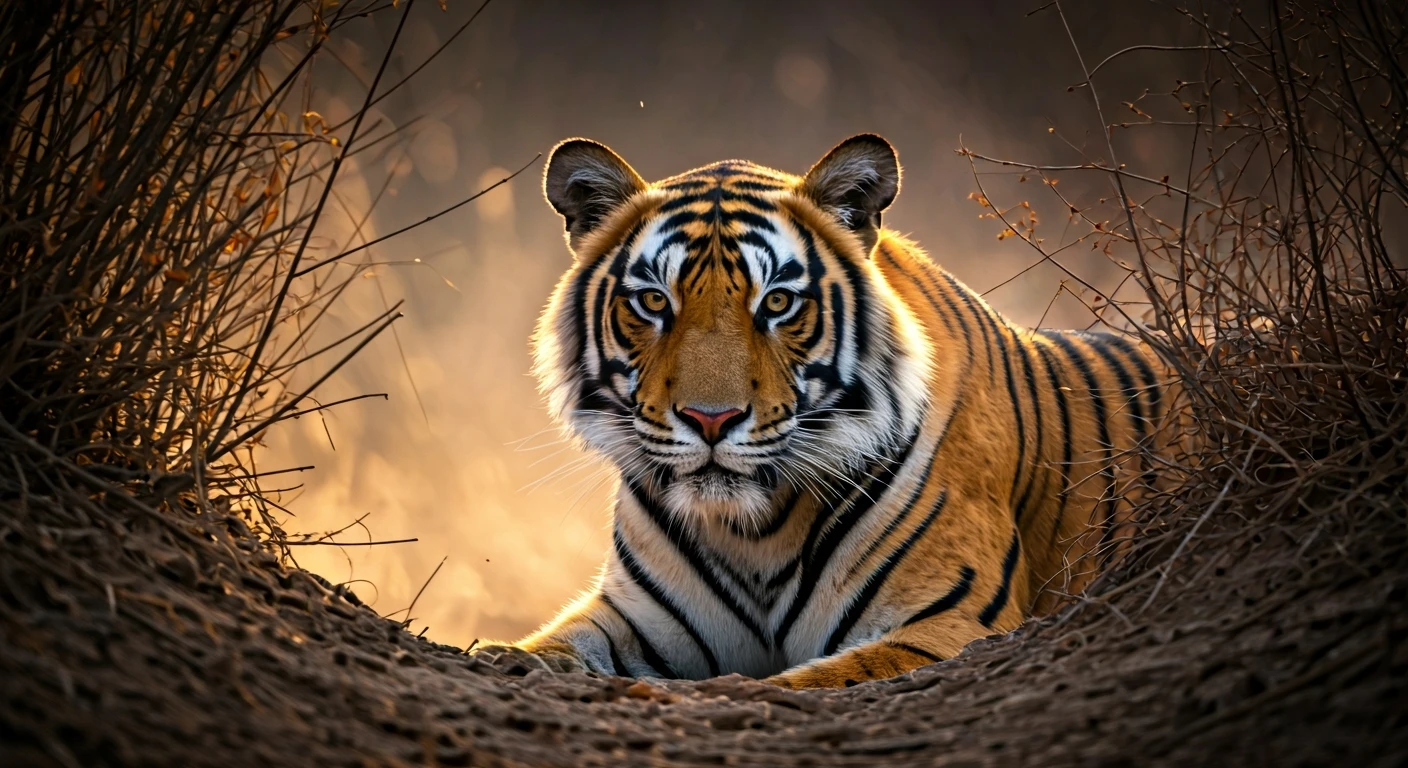
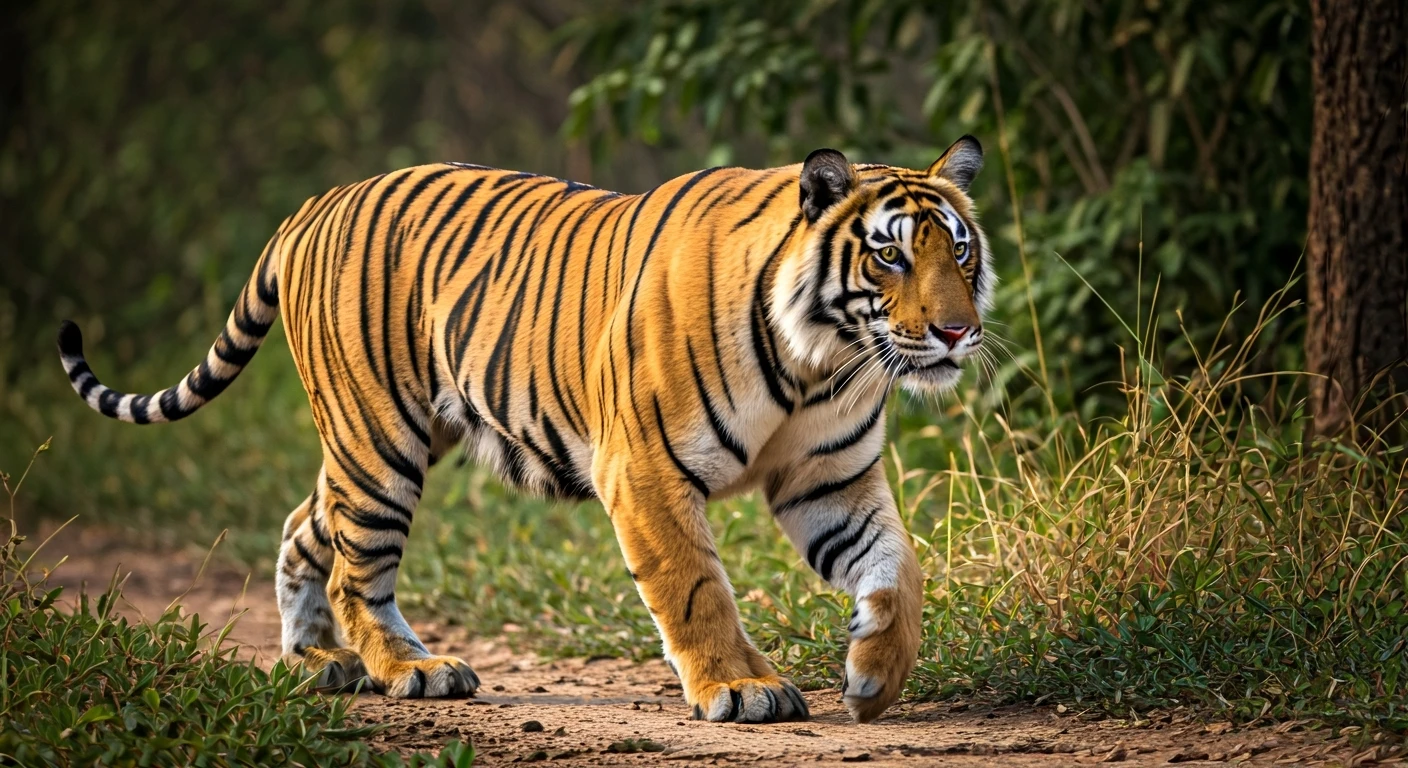
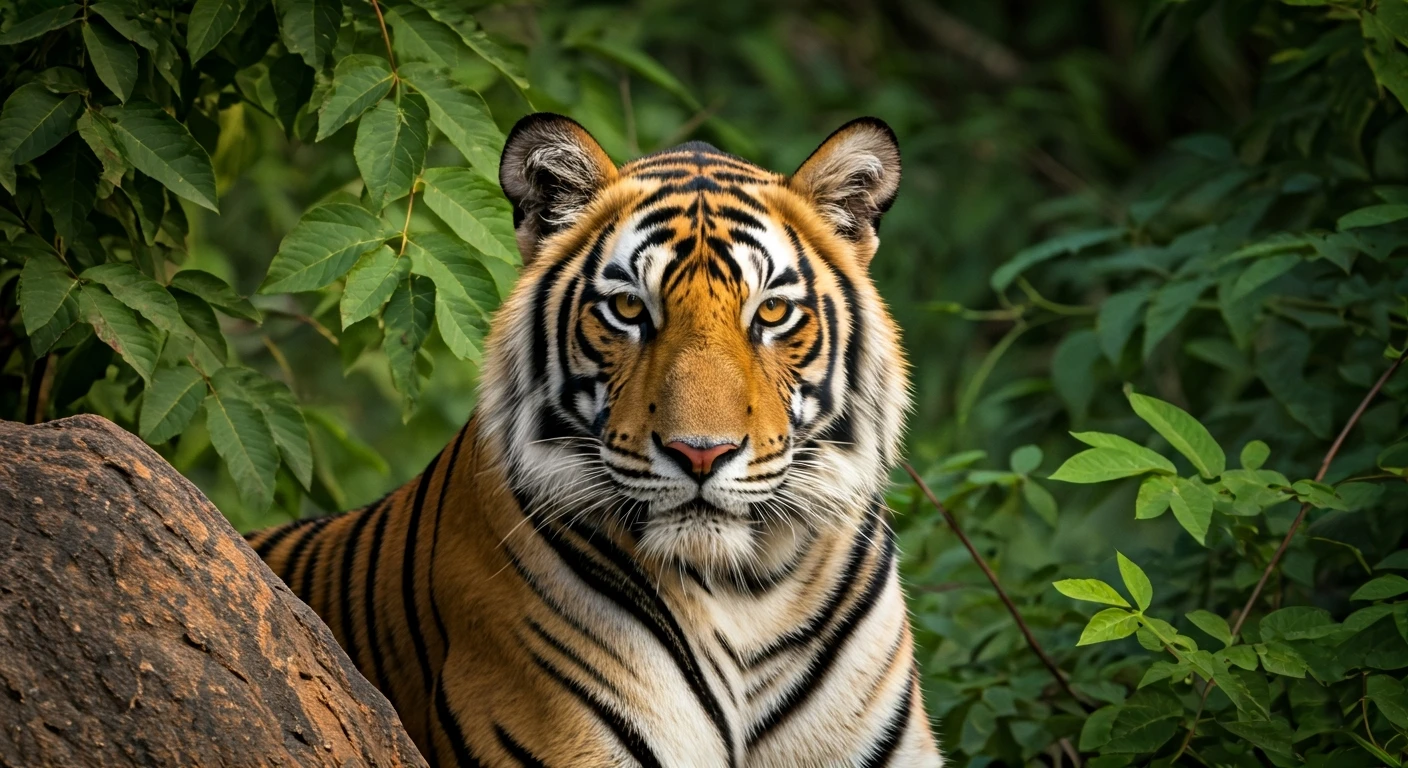
In Ranthambore, the tiger is king, but it’s a secretive, elusive monarch. Unlike some parks where big cats are more habituated and sightings can feel almost scheduled, here the chase is everything. The experience is raw and intensely communal. Your guide, a naturalist with an encyclopedic knowledge of the park’s territories, is in constant communication—not just via radio, but through a network of shared glances and shouted intel with other drivers. The safari becomes a collective hunt for clues: a fresh paw print in the dust, the panicked alarm call of a sambar deer, the sudden flight of jungle fowl. When the call goes out—'Sher! Sher!' (Tiger! Tiger!)—an electric tension grips the air. Jeeps converge, engines cut, and a hushed silence falls as dozens of eyes scan the undergrowth. The reward, a fleeting glimpse of orange and black stripes moving through the dappled light, feels earned. It’s a heart-pounding, unpredictable game of hide-and-seek played on nature’s terms.
More Than Just Its Stripes
While the Bengal tiger is undeniably the main event, focusing solely on it is to miss the soul of Ranthambore. The park is a thriving, biodiverse ecosystem. Marsh crocodiles bask like logs on the banks of Padam Talao lake, their jaws agape. A lumbering sloth bear might shuffle across the track, digging for termites. Shy leopards, masters of camouflage, haunt the rocky cliffs, their presence often revealed only by a flick of the tail. Herds of spotted deer and massive nilgai (blue bull) antelope graze in the clearings, while langur monkeys provide a constant, chattering soundtrack from the treetops. The birdlife alone is worth the trip, with over 300 species, from the majestic crested serpent eagle to the brilliantly colored kingfisher. To truly appreciate Ranthambore is to see it as a complete world, where the tiger is the crown jewel in a treasure chest overflowing with other gems.