

The Queen of the Hills
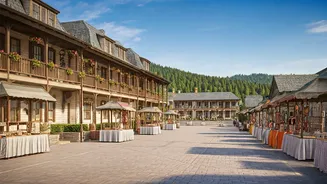
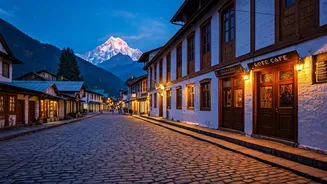
Long before it became a travel destination, Darjeeling was a sanatorium for the British Raj, a cool-air refuge from the sweltering heat of the Indian plains. That colonial past is still etched into its identity, visible in the gabled houses, stone churches,
and the grand Windamere Hotel, which feels like a perfectly preserved relic from the 1930s. From Observation Hill or the famous Darjeeling Mall, the town gazes upon the world's third-highest peak, Kangchenjunga, whose snow-capped peaks dominate the horizon like a row of celestial guardians. This dramatic backdrop sets the stage for everything, lending an air of sublime, almost spiritual, permanence to the town. The rhythm of life here isn't dictated by deadlines or digital notifications, but by the rising sun catching the mountains and the mist rolling through the valleys.
An Ocean of Green Gold
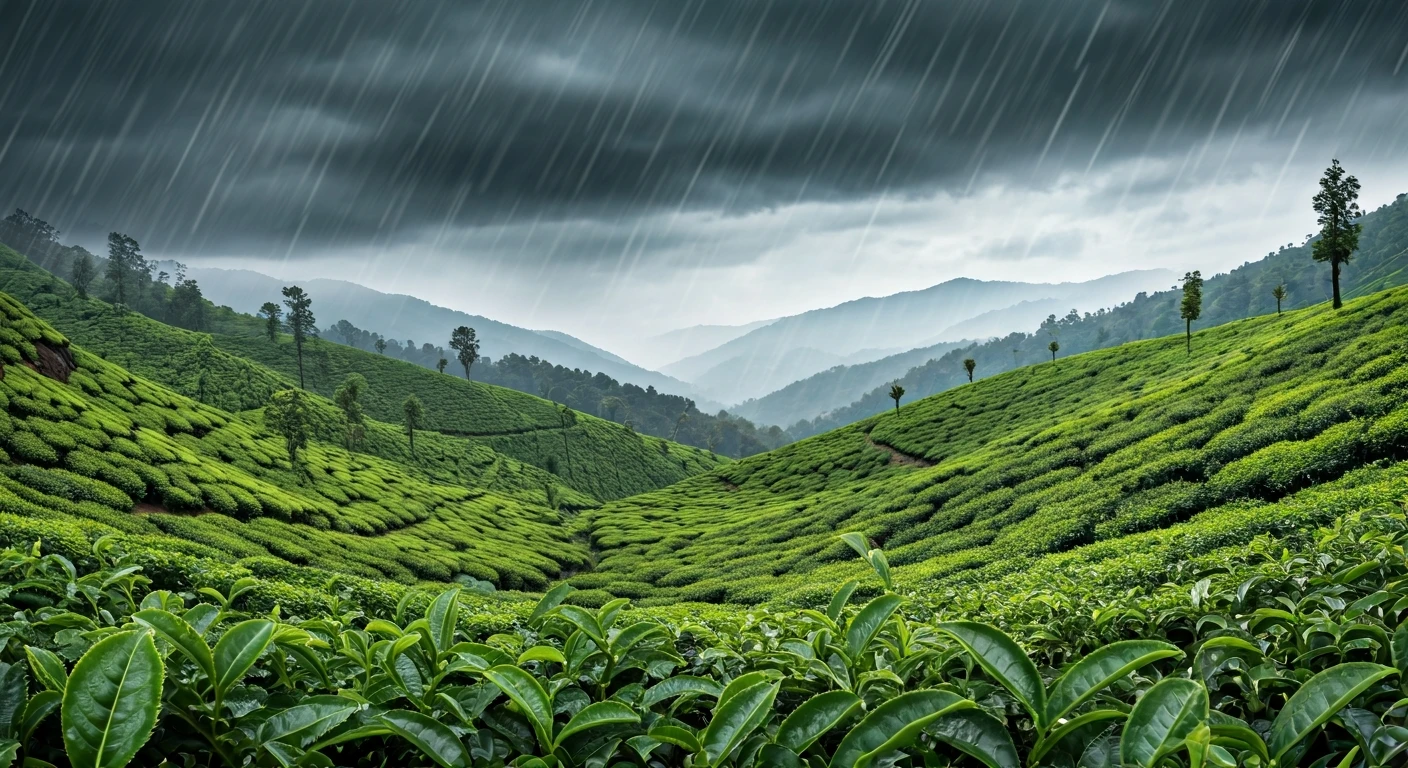
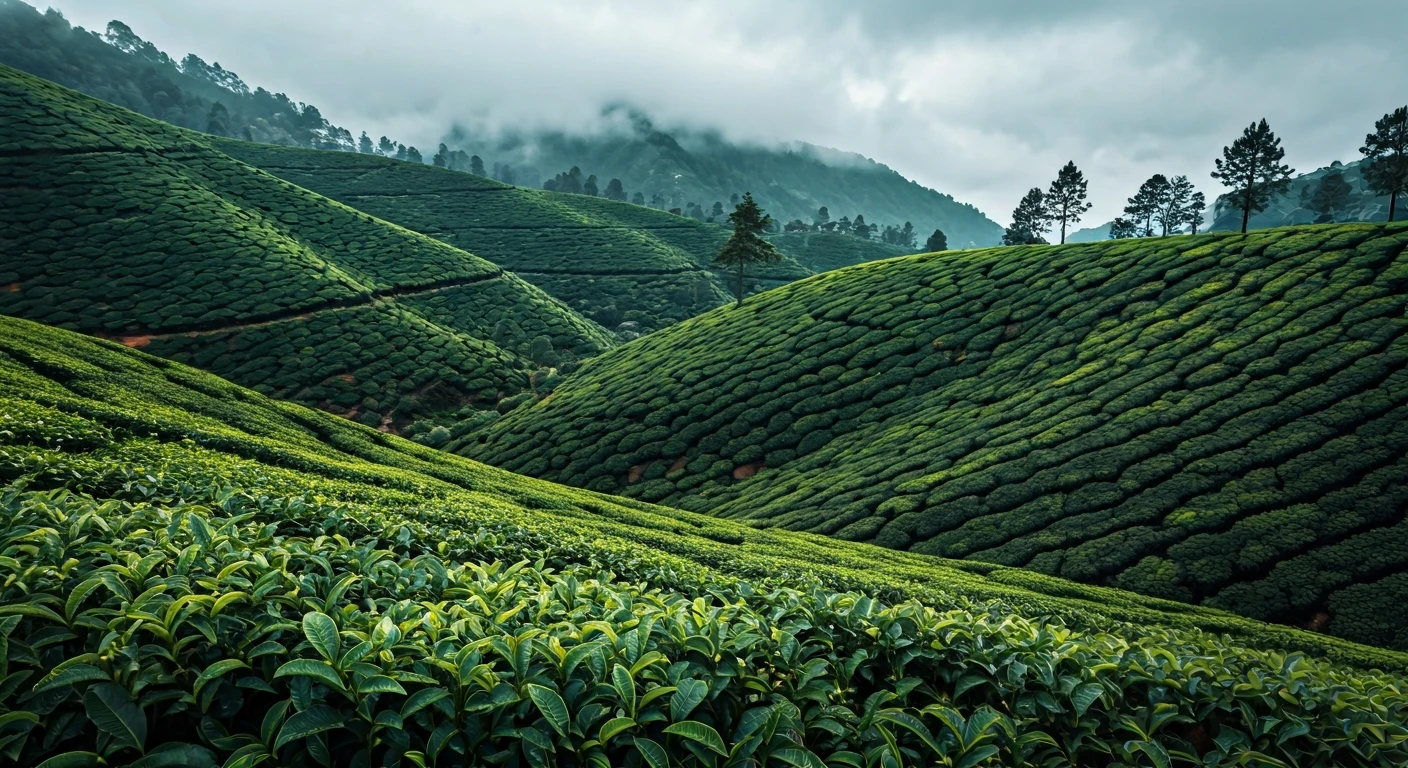
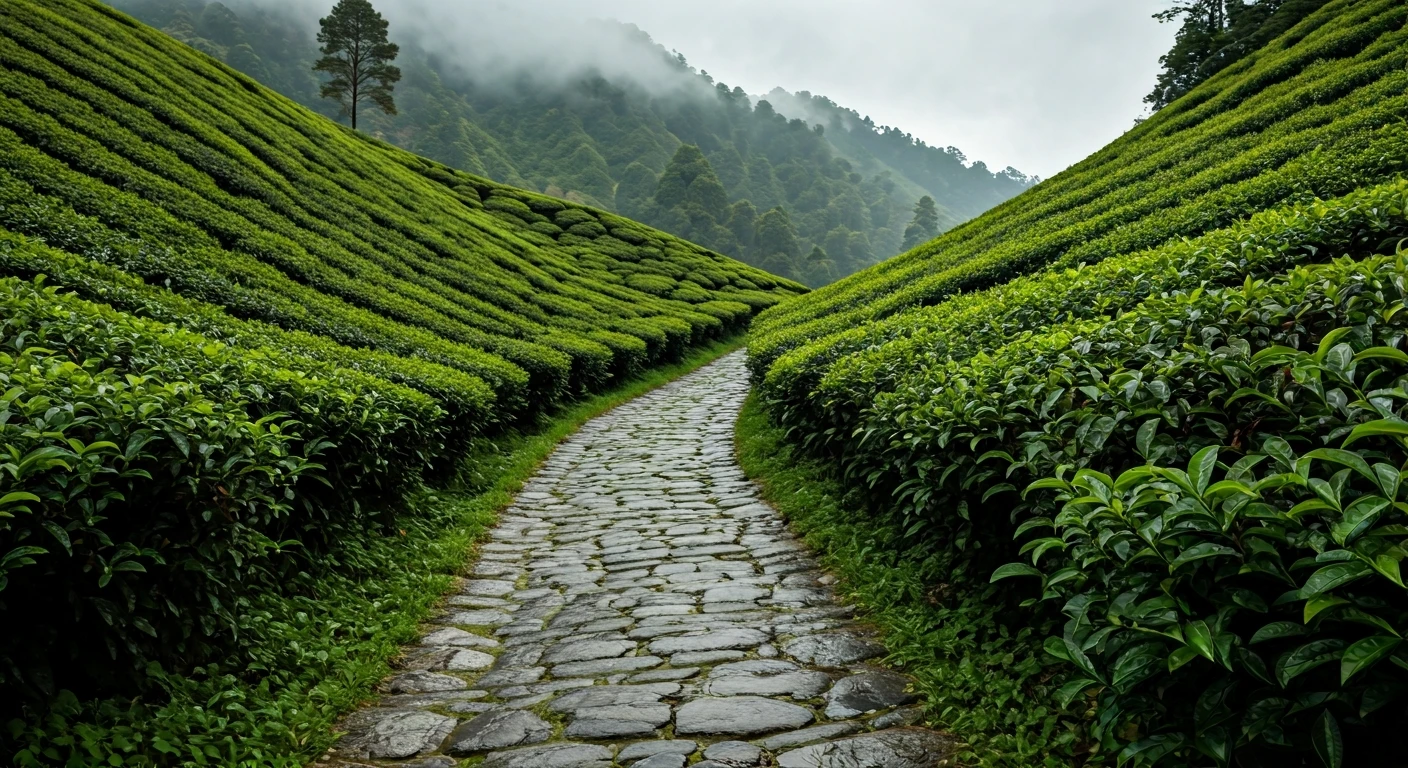
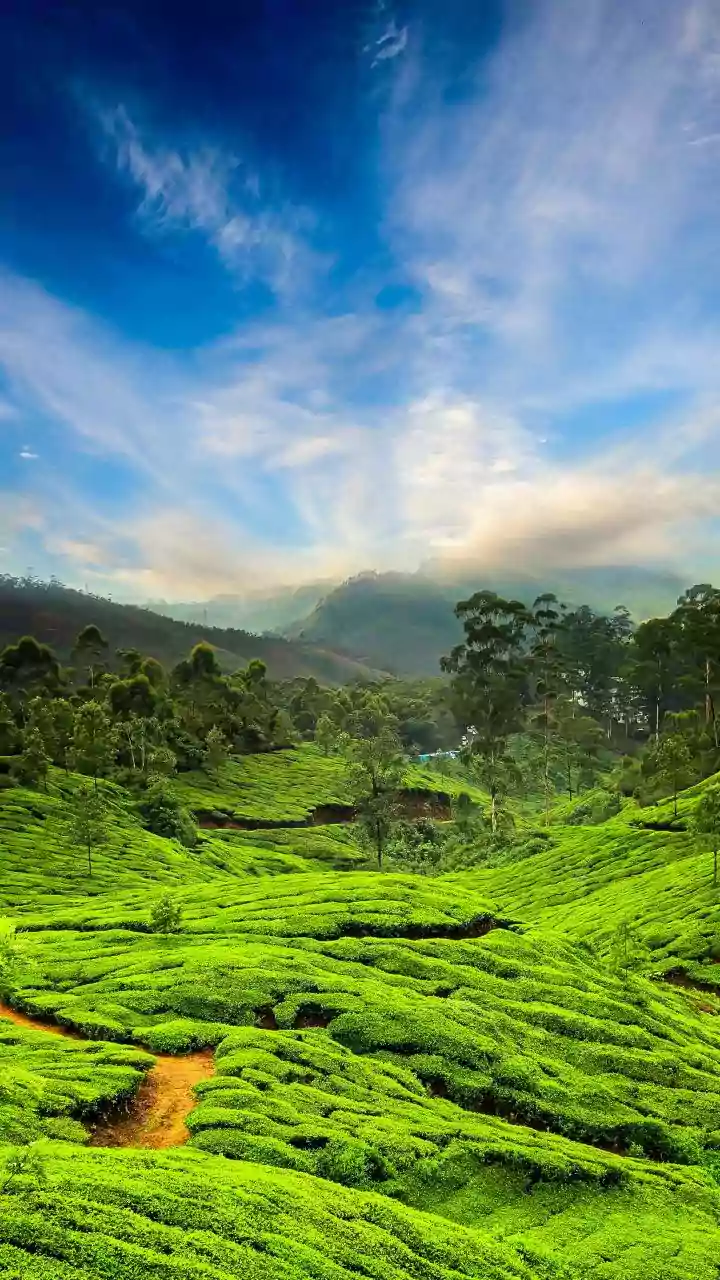
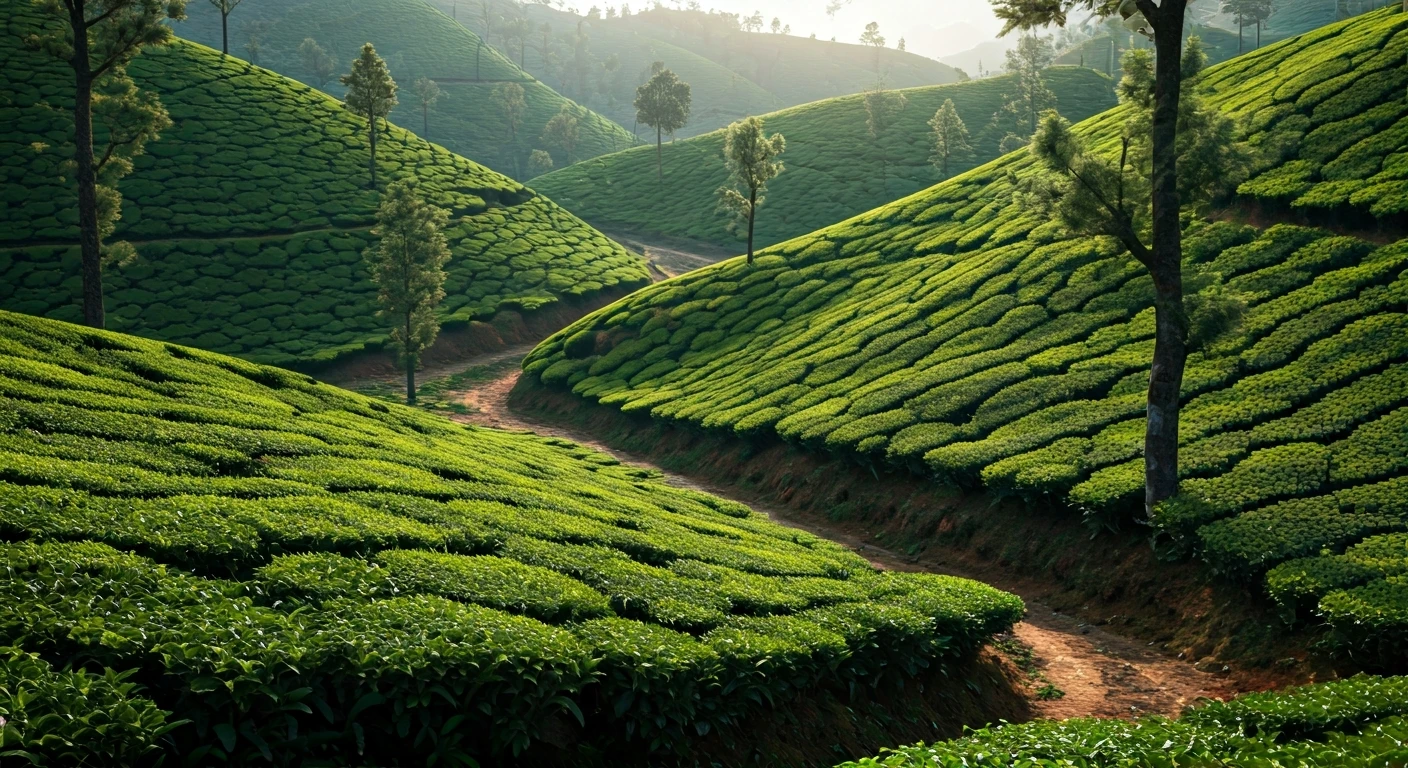
Blanketing the surrounding slopes are the tea gardens, the lifeblood of Darjeeling. These aren't just farms; they are meticulously manicured landscapes, emerald green waves that ripple across the steep terrain. Some 87 estates produce what is often called the “champagne of teas,” a light-bodied, floral brew with a distinct muscatel flavor found nowhere else on earth. The industry was established here in the mid-19th century by the British, who discovered the climate was perfect for cultivating cuttings smuggled from China. Today, the process remains remarkably unchanged. You can see tea pluckers, mostly women, moving skillfully through the rows, their fingers deftly selecting the “two leaves and a bud” that will become the world-renowned brew. To visit an estate like Happy Valley or Makaibari is to witness a tradition that has been honed over 150 years, a slow and patient craft that stands in stark contrast to the modern world’s demand for instant gratification.
The Little Engine That Could
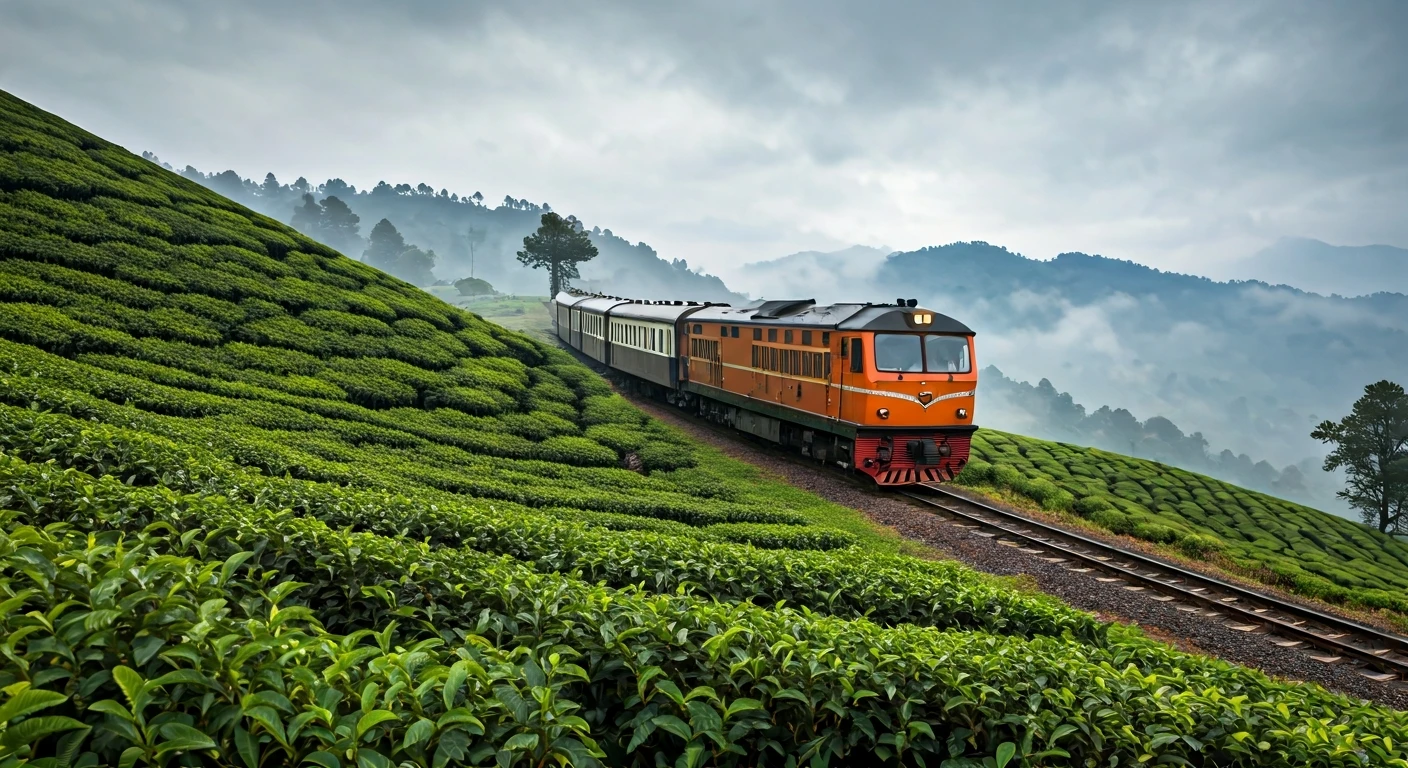
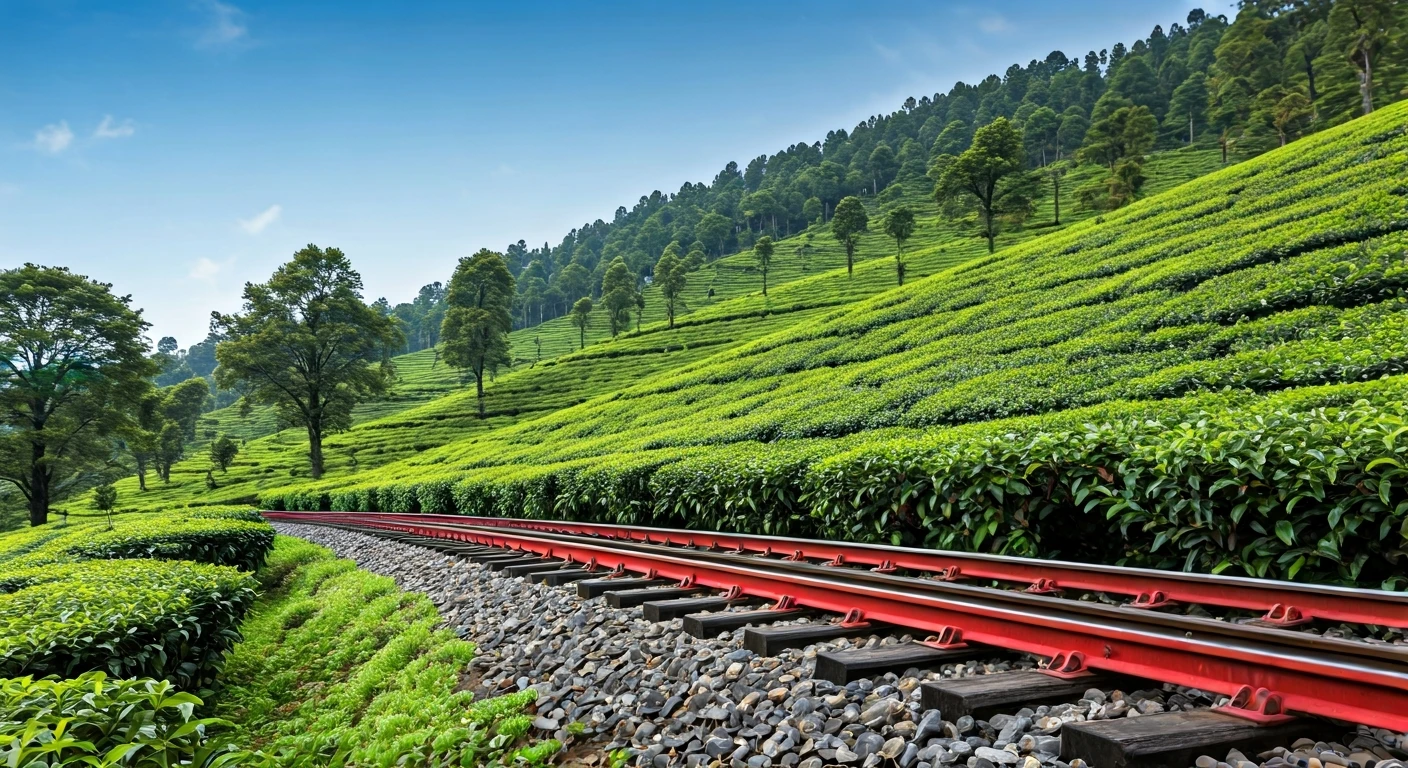
Snaking its way through these very tea gardens is the other pillar of Darjeeling’s identity: the Darjeeling Himalayan Railway. Known affectionately as the “Toy Train,” this narrow-gauge railway is a marvel of 19th-century engineering and a UNESCO World Heritage Site. Pulled by a tiny, chuffing steam locomotive, the train claws its way up impossibly steep gradients from the plains below, using a series of ingenious loops and switchbacks. A ride on the train is not about speed; it's about immersion. It clatters through bustling market towns, so close to the shops that you could almost grab a snack from a vendor. It passes by schools where children wave from the windows, and it offers breathtaking views of the valleys below. The rhythmic clack of the wheels and the shrill whistle of the steam engine are the sounds of a bygone era, turning a simple journey into a nostalgic trip back in time. It forces you to slow down, to notice the details, and to simply enjoy the ride.